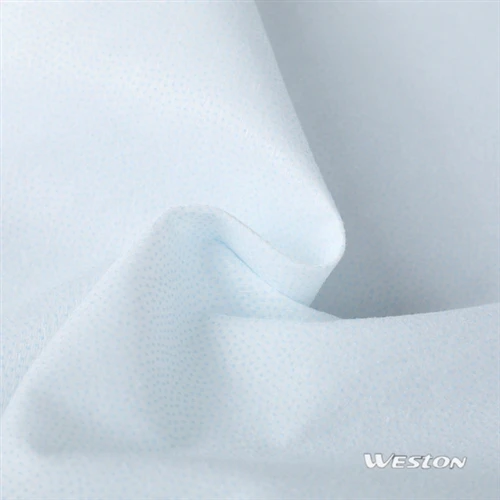
The most common nonwoven fabric types are often used in a variety of everyday products and applications. While the prevalence of a specific nonwoven fabric can vary by region, industry, and application, some of the most common types include:
Spunbond Nonwoven Fabric:
Description: Spunbond fabrics are produced by extruding continuous filaments of synthetic polymers, such as polypropylene or polyester. These filaments are laid down onto a moving conveyor belt and bonded together using heat and pressure.
Common Uses: Hygiene products (diapers, wipes), agriculture covers, industrial products, packaging materials.
Meltblown Nonwoven Fabric:
Description: Meltblown fabrics are created by melting polymer granules and extruding the molten material through tiny nozzles. The extruded fibers are then blown by high-speed air onto a collector, creating a fine fiber web.
Common Uses: Medical face masks, surgical gowns, air and liquid filtration media.
Spunlace (Hydroentangled) Nonwoven Fabric:
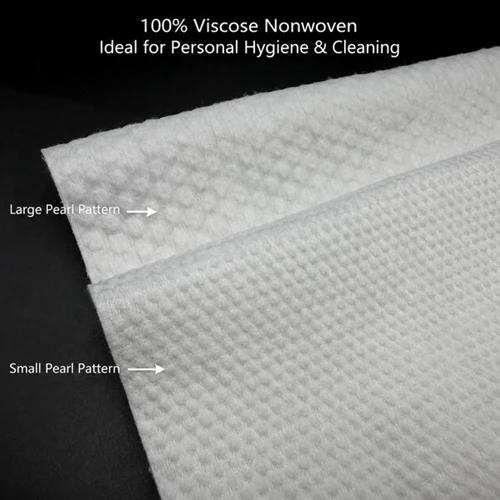
Description: Spunlace fabrics are produced by entangling fibers using high-pressure water jets, creating a fabric with a soft and cloth-like texture.
Common Uses: Wipes (baby wipes, facial wipes), medical dressings, hygiene products.
Needle-Punched Nonwoven Fabric:
Description: Needle-punched fabrics are created by mechanically interlocking fibers using barbed needles. This process produces a fabric with increased strength.
Common Uses: Geotextiles, automotive interiors, felt products, insulation.
Stitch-Bonded Nonwoven Fabric:
Description: Stitch-bonding involves mechanically stitching fibers together to form a fabric.
Common Uses: Automotive interiors, mattress covers, roofing materials.
Airlaid Nonwoven Fabric:
Description: Airlaid fabrics are created by suspending fibers in the air and then collecting them on a web. This process is often used with pulp fibers.
Common Uses: Hygiene products (diapers, feminine hygiene), absorbent products.
The most common nonwoven fabric for a specific application depends on the desired properties and characteristics required for that application. Nonwoven fabrics offer versatility and are used in various industries, including healthcare, hygiene, agriculture, automotive, construction, and more.