What Are Wet Wipes Made Of? A Material Science Guide from Weston Nonwoven
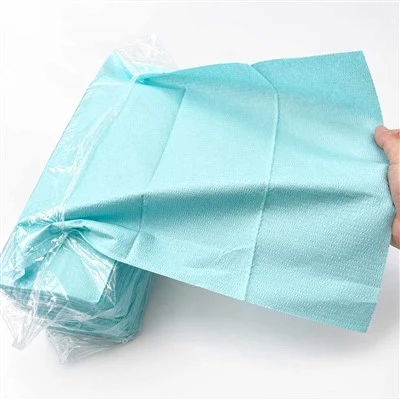
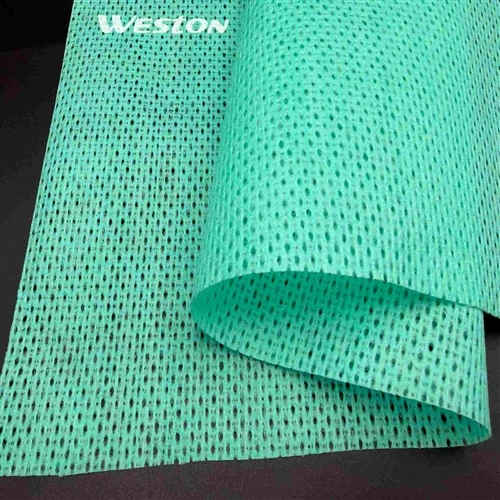
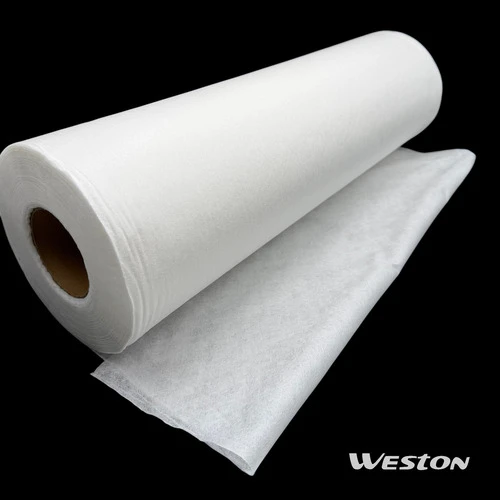
Weston Nonwoven manufactures spunlace nonwoven roll goods used as the base substrate for baby wipes, personal care wipes, disinfecting wipes, and flushable wipes. This guide draws on our production experience and publicly available industry data (EDANA/INDA nonwovens standards) to explain exactly what wet wipes are made of, why manufacturers choose specific fiber blends, and how to evaluate wipe quality by material composition.
Quick Answer
A wet wipe has two components: a nonwoven fabric substrate (typically a viscose/polyester blend bonded by spunlace/hydroentanglement) that carries a liquid solution (95–99.7% water plus surfactants, preservatives, and skin conditioners). The fabric determines strength and softness; the solution determines cleaning performance and skin compatibility.

The Core Material: Nonwoven Fabric
Unlike woven cotton or linen, wet wipes use nonwoven fabric - fibers bonded together mechanically, thermally, or chemically rather than woven on a loom. This lets manufacturers tune softness, strength, and absorbency independently, which is why nonwovens replaced woven and paper-based substrates in this category over the past three decades.
Spunlace: The Dominant Wet Wipe Fabric
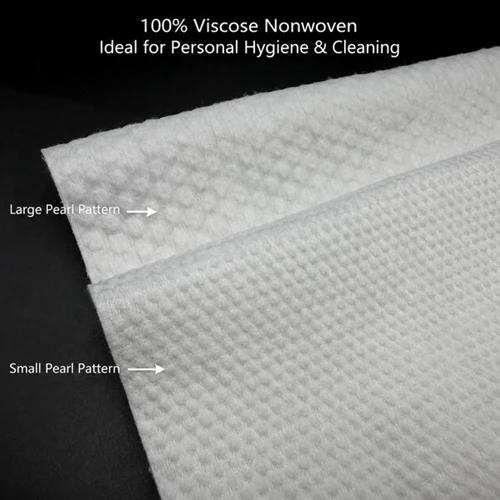
Spunlace (hydroentanglement) accounts for the large majority of wet wipe substrates on the market today. According to EDANA (European Disposables and Nonwovens Association) production statistics, spunlace/hydroentangled nonwovens remain the leading technology for the wipes end-use segment, prized because ultra-high-pressure water jets tangle fibers into a soft, durable fabric without chemical binders.
Most spunlace wipes use a viscose (wood pulp cellulose) and polyester blend:
|
Fiber Type |
Function |
Typical Ratio* |
|
Viscose (wood pulp) |
Absorbency, soft skin-feel |
30–50% |
|
Polyester (PET) |
Wet strength, tear resistance |
50–70% |
|
Cotton / Bamboo |
Biodegradability, premium skin-feel |
Up to 100% in premium lines |
*Ratios vary by end-use (baby wipes skew viscose-heavy for softness; industrial/disinfecting wipes skew polyester-heavy for durability).
The Liquid Solution: What's Actually in the "Wet" Part
Water makes up 95–99.7% of a finished wet wipe by weight. The remaining fraction is where the functional chemistry lives:
- Surfactants - break down oils and dirt. Mild options like cocamidopropyl betaine are standard for baby and sensitive-skin wipes; stronger SLS/SLES-type surfactants appear in disinfecting formulations.
- Preservatives - prevent microbial growth in the wet substrate. Phenoxyethanol and benzalkonium chloride (BAC) are common today; methylisothiazolinone (MIT) has been phased down industry-wide following EU Scientific Committee on Consumer Safety (SCCS) opinions restricting its use in leave-on products.
- Humectants/moisturizers - glycerin and aloe vera extract reduce trans-epidermal water loss and skin dryness from repeated wiping.
- pH adjusters - lactic acid or citric acid keep the finished product near skin-neutral pH (roughly 4.5–6.5), consistent with the skin's natural acid mantle.
- Fragrance - optional; can contain undisclosed allergens under some regulatory frameworks, so fragrance-free options matter for sensitive-skin product lines.
The fabric and solution are engineered together: the nonwoven substrate needs the right pore structure and fiber surface chemistry to hold and release the lotion evenly rather than pooling or drying out unevenly across the sheet.
How the Two Systems Work Together
A well-engineered wet wipe balances three properties simultaneously:
- Absorbency - viscose fibers act as the primary sponge component.
- Wet strength - polyester content plus spunlace fiber entanglement resists tearing when saturated.
- Skin compatibility - fiber softness combined with mild-chemistry solution reduces irritation risk.
Single-fiber substrates rarely hit all three targets, which is the practical reason blended fabrics dominate the market rather than 100% cotton or 100% polyester.

The Sustainability Trade-off
Polyester-heavy substrates are durable but persistent in the environment and are a known contributor to sewer blockages ("fatbergs") when wipes are flushed - a documented issue raised repeatedly by UK and US water utilities. Plant-based (viscose/cotton/bamboo) substrates reduce this persistence but still take weeks to months to break down outside industrial composting conditions, and "biodegradable" labeling does not guarantee rapid breakdown in landfill or marine environments.
Emerging alternatives under industry R&D include flax and hemp fiber blends, which show faster degradation while retaining acceptable wet strength, and certified-flushable substrates tested against INDA/EDANA GD4 flushability guidelines.
How to Choose a Substrate: Quick Reference
|
Priority |
Recommended Fiber Mix |
|
Maximum absorbency (baby/facial wipes) |
Viscose-heavy (50%+) |
|
Maximum durability (industrial/disinfecting) |
Polyester-heavy (60–70%) |
|
Eco-positioning / premium skin-feel |
Cotton or bamboo, up to 100% |
|
Flushable product lines |
Certified plant-based cellulose, tested to GD4 |
FAQ
What percentage of a wet wipe is actually water?
Roughly 95–99.7% of a finished wet wipe's weight is the liquid solution (mostly water); the nonwoven fabric itself is the remaining dry weight.
Is spunlace the same as non-woven fabric?
Spunlace (hydroentanglement) is one specific method of making nonwoven fabric - it's the most common one for wet wipes, but nonwoven also includes airlaid, meltblown, and needle-punch methods used in other product categories.
Are viscose or polyester wipes better?
Neither is universally "better" - viscose gives softness and absorbency, polyester gives wet strength and durability. Most commercial wipes blend both to balance the two properties; the right ratio depends on the end-use.
Do biodegradable wet wipes actually break down quickly?
Not necessarily. Plant-based substrates degrade faster than polyester-heavy ones, but "biodegradable" does not mean instant breakdown - landfill and marine environments often lack the heat, moisture, and microbial activity needed for rapid decomposition.
Can wet wipes be flushed safely?
Only wipes specifically certified as flushable (tested to standards like INDA/EDANA GD4) are designed to disperse in sewer systems. Standard polyester-blend wipes should not be flushed, as they're a leading cause of sewer blockages.
About Weston Nonwoven
Weston Nonwoven supplies spunlace nonwoven fabric for the wet wipes industry, with product lines spanning 4 spunlace weight range from 30g to 150g. For technical data sheets, sample requests, or bulk order specifications, contact info@westonmanufacturing.com.