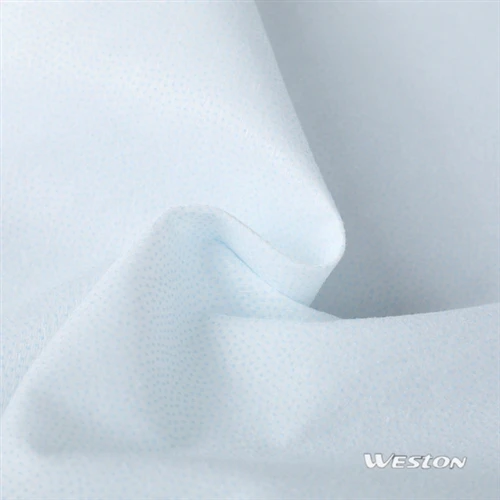
Walk into any cleaning aisle, and you'll be bombarded with roller options-but have you ever wondered why some leave streaks while others make surfaces shine? Here's an eye-opening reality: traditional woven rollers trap just 30% of dust and debris on the first pass, while microfiber rollers capture up to 99% of particles as small as 0.1 microns-a difference that transforms cleaning from a chore into a science. Today, we're decoding the battle between woven and microfiber rollers to help you choose the right tool for spotless, scratch-free results-with a focus on how premium microfiber solutions, like those engineered by Weston, redefine precision cleaning.

The Core Difference: Material Makeup
1. Woven Rollers: The Traditional Choice
Woven rollers are typically made from natural fibers (cotton, linen) or synthetic blends, woven into a dense, textile-based structure. While affordable and widely available, their coarse texture and larger fiber diameter (15–30 microns) create inherent limitations:
Inefficient Particle Capture: Gaps between fibers allow dust, pollen, and oil residues to slip through or sit on the surface, requiring multiple passes to achieve a clean.
Surface Risk: Rigid woven structures can scratch delicate surfaces like glass, stainless steel, or glossy finishes, especially when dry.
Limited Absorbency: Natural fibers absorb water well but struggle with oils and greases, making them ineffective for multi-purpose cleaning.
2. Microfiber Rollers: The Modern Marvel
Microfiber rollers, on the other hand, are crafted from ultra-fine synthetic fibers-primarily polyester and polyamide-measuring just 1–5 microns in diameter (10x thinner than a human hair). This microscopic precision unlocks game-changing advantages:
Superior Trapping Power: The tiny fibers create a massive surface area, acting like tiny magnets to attract and lock in dust, dirt, and even liquid spills at a molecular level.
Gentle Yet Mighty: Soft to the touch but tough on grime, microfiber glides over surfaces without scratching, making it ideal for sensitive materials like eyeglasses, car paint, or smartphone screens.
Versatile Absorption: Microfiber's split-fiber technology allows it to absorb 7x its weight in liquid, including oils and solvents, while releasing dirt easily during washing for reusable performance.
Cleaning Mechanism: How They Work
Woven Rollers: Surface-Level Cleaning
Woven rollers rely on basic absorption and mechanical action: they wipe debris from surfaces by physical contact but often push dirt around rather than trap it. This is why they leave streaks on glass or residue on kitchen counters-especially when used with cleaning solutions that aren't fully absorbed. For heavy-duty tasks, they require frequent rinsing or replacement, wasting time and resources.
Microfiber Rollers: Deep, Dynamic Cleaning
Microfiber's secret lies in its electrostatic charge and capillary action:
Electrostatic Attraction: As microfiber glides over surfaces, it generates a static charge that pulls in dust and pollen, even from hard-to-reach crevices.
Capillary Channels: The split fibers create tiny channels that draw in liquids and oils, storing them within the roller rather than letting them spread. This makes microfiber rollers ideal for spills, as they absorb first and trap permanently, preventing re-deposit.
The result? A single pass with a microfiber roller removes more contaminants than three passes with a woven alternative-efficiency that matters in both home and industrial settings.
Performance Showdown: Key Metrics
|
Feature |
Woven Rollers |
Microfiber Rollers |
|
Fiber Thickness |
15–30 microns (coarse) |
1–5 microns (ultra-fine) |
|
Particle Capture |
Effective for large debris (50+ microns) |
Captures 0.1+ microns (dust, pollen, bacteria) |
|
Scratch Risk |
High on delicate surfaces |
Low (soft, non-abrasive texture) |
|
Liquid Absorption |
Good for water, poor for oils |
Excellent for all liquids (7x weight capacity) |
|
Reusability |
Limited (fibers degrade quickly) |
20+ washes without losing effectiveness |
When to Choose Which? Real-World Applications
Woven Rollers: Best for Basic, Heavy-Duty Tasks
Garage Floors: Handling large spills of water or non-oily debris where scratch risk is low.
Rough Surfaces: Concrete or unfinished wood, where a rugged texture is acceptable.
One-Time Use: Situations where cost is the primary factor, and precision isn't critical.
Microfiber Rollers: The Gold Standard for Precision

Eyeglasses & Optics: Ultra-soft microfiber eyeglass cleaning cloths eliminate smudges and fingerprints without scratching lenses-a must for prescription glasses or camera lenses.
Automotive Care: Microfiber car cloths gently remove dirt and grime from paint, interiors, and windows, preserving showroom shine without swirl marks.
Electronics & Screens: Screen cleaning wipes tackle fingerprints and smudges on TVs, monitors, and smartphones, using microfiber's static-free properties to prevent dust attraction.
Industrial Precision: Microfiber spunlace cleaning cloths are ideal for cleaning sensitive machinery, medical equipment, or aerospace components, where even a speck of debris can cause failure.
The Weston Advantage: Engineered Microfiber Excellence
What elevates microfiber from good to great? Quality engineering. Weston's microfiber products are crafted with:
Dual-Layer Spunlace Technology: Fusing ultra-fine microfibers with a durable spunlace core for superior strength and absorbency, even after repeated use.
Antimicrobial Treatment (Optional): For healthcare or food processing environments, where hygiene is non-negotiable.
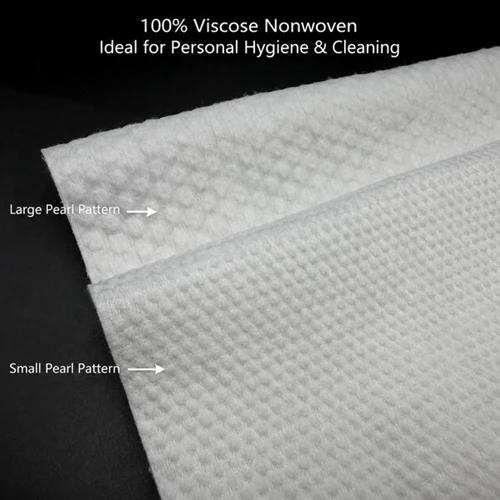
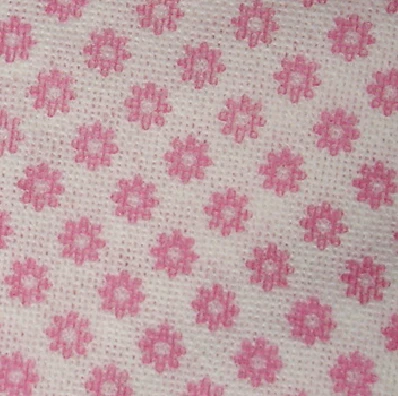
Custom Weave Patterns: Textured surfaces designed for specific tasks-smooth for glass, embossed for heavy grease-ensuring every product is optimized for its purpose.
Key Takeaways: Why Microfiber Outshines Woven
Precision Matters: When dealing with delicate surfaces or tiny contaminants, microfiber's ultra-fine fibers are non-negotiable.
Efficiency Saves Time: Fewer passes, less product waste, and reusable durability make microfiber a long-term cost-saver.
Versatility Wins: From eyeglasses to car interiors, one material handles it all-no need for multiple tools.
Ready to Upgrade Your Cleaning Routine?
The choice between woven and microfiber rollers comes down to one question: do you want to clean, or do you want to perfect clean? For surfaces that demand care-eyeglasses that require streak-free clarity, car paint that deserves scratch-free shine, or screens that need smudge-resistant brilliance-microfiber is the clear winner.
Weston's range of microfiber solutions, from microfiber eyeglass cleaning cloths to industrial-grade microfiber spunlace cleaning cloths, are designed for precision, performance, and peace of mind. Whether you're a consumer seeking the best for your prized possessions or a business needing reliable cleaning for critical equipment, our engineered microfibers deliver results that speak for themselves.
Don't settle for average. Contact us at info@westonmanufacturing.com to explore our premium microfiber products, request samples, or discuss custom solutions tailored to your unique needs.
Cleaning isn't just a task-it's an opportunity to protect what matters. Choose microfiber, choose precision, choose Weston.