The Critical Need for Effective Slope Erosion Control
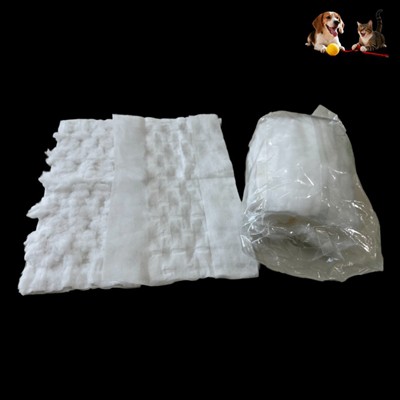
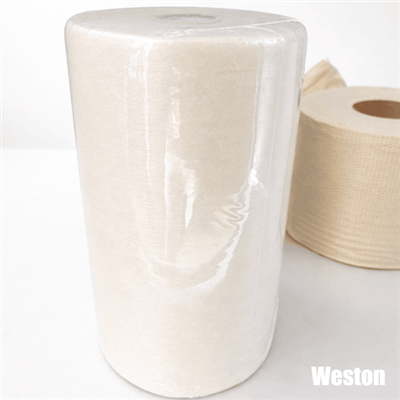
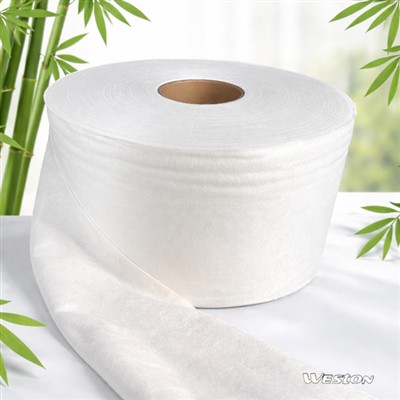
Professional buyers understand that slope erosion isn't just a cosmetic issue-it's a threat to operational integrity. From construction sites to agricultural lands, unchecked soil loss damages infrastructure, reduces land value, and increases liability risks. The challenge lies in finding solutions that don't just slow erosion but stop it-without sacrificing sustainability or incurring endless maintenance costs. This is where modern innovations like Spunlace Erosion Control For Slopes are redefining industry standards.
Debunking Myths: Traditional Methods vs. Spunlace Technology
For years, the erosion control market has relied on methods that prioritize short-term results over long-term resilience. Let's compare these outdated approaches with the capabilities of spunlace technology:
|
Evaluation Criteria |
Traditional Methods |
Spunlace Erosion Control For Slopes |
|
Soil Retention |
45–60% over 12 months (varies by method) |
92% over 12 months (consistent across climates) |
|
Vegetation Support |
Inconsistent; 30–40% coverage in 4 months |
85% coverage in 4 months; promotes root development |
|
Installation Efficiency |
3–5 workers per 100m²; 8–10 hours per project phase |
1–2 workers per 100m²; 3–4 hours per project phase |
|
Lifespan |
6–18 months (straw bales/plastic mesh) |
3–5 years (with biodegradable options) |
|
Environmental Impact |
Plastic mesh: non-biodegradable; straw: attracts pests |
100% recyclable; biodegradable variants available |
Traditional methods like straw bales degrade quickly in heavy rain, while plastic mesh traps heat and inhibits plant growth-creating a cycle of reapplication and waste. Spunlace Erosion Control For Slopes breaks this cycle by combining immediate soil stabilization with long-term ecological support.
Spunlace Erosion Control For Slopes: Performance Under Pressure
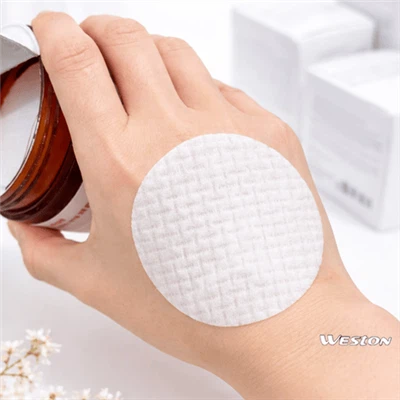
The superiority of Spunlace Erosion Control For Slopes stems from its unique hydroentanglement manufacturing process. High-pressure water jets interlock fibers into a matrix that balances strength and permeability-a feat traditional fabrics can't match. Real-world testing confirms its advantages:
Tensile Strength: 400–500 N/m, 3x stronger than standard straw mats, allowing it to withstand heavy rainfall and wind gusts up to 60 km/h.
Water Management: Permeability of 10–15 L/m²/s prevents waterlogging (a common cause of mudslides) while retaining moisture for seed germination.
UV Resistance: Maintains 90% of structural integrity after 1,000 hours of direct sunlight-critical for exposed slopes in arid regions.
In head-to-head trials on 30-degree slopes, Spunlace Erosion Control For Slopes reduced sediment runoff by 87% compared to plastic mesh, with 62% fewer maintenance interventions required over two years.
Complementary Solutions: Frost Protection and Road Maintenance

Effective slope management requires a holistic approach. WestonNonwoven's product ecosystem includes two key solutions that enhance erosion control efforts through targeted performance:
Spunlace Nonwoven Plant Frost Protection Cover vs. Traditional Frost Barriers
Vegetation is nature's best erosion control, but frost can decimate young plants before they establish roots. Traditional frost protection (plastic sheeting, burlap) often does more harm than good:
|
Key Feature |
Traditional Frost Barriers |
Spunlace Nonwoven Plant Frost Protection Cover |
|
Temperature Regulation |
Inconsistent; 2–3°C above ambient (plastic); minimal insulation (burlap) |
Maintains 5–8°C above ambient; uniform heat distribution |
|
Moisture Management |
Traps condensation (plastic); over-dries soil (burlap) |
30% air circulation prevents rot; retains optimal soil moisture |
|
Reusability |
1 season (plastic); 2 seasons (burlap) |
3+ seasons with proper care; resistant to tearing |
By protecting seedlings through critical growth phases, this cover ensures vegetation matures faster-strengthening slopes from the root system outward.
Heavy-Duty 100% Viscose Non-Woven Fabric For Road Maintenance vs. Conventional Geotextiles
Roadside slopes face unique stressors: de-icing chemicals, traffic vibrations, and constant runoff. Traditional geotextiles (woven polypropylene) often fail here, but Heavy-Duty 100% Viscose Non-Woven Fabric For Road Maintenance is engineered for durability:
|
Performance Metric |
Conventional Woven Geotextiles |
Heavy-Duty 100% Viscose Non-Woven Fabric |
|
Chemical Resistance |
Degrades in 12–18 months (road salts) |
Withstands 3+ years of de-icing treatments |
|
Compaction Resistance |
20–30% reduction in load-bearing capacity over time |
50% higher resistance to compaction; maintains integrity under heavy traffic |
|
Drainage Efficiency |
10–15 L/m²/min water flow |
25–30 L/m²/min water flow; prevents pooling |
This fabric acts as a buffer between road beds and slopes, stopping soil migration that causes potholes and slope collapse-reducing road repair costs by up to 40% over five years.
The WestonNonwoven Ecosystem: Integrated Slope Management

What sets WestonNonwoven apart is its focus on systemic solutions. Erosion control works best when products complement each other, creating a self-reinforcing cycle of stability:
Immediate Stabilization: Spunlace Erosion Control For Slopes locks soil in place within hours of installation, reducing initial runoff by 80%.
Vegetation Protection: Spunlace Nonwoven Plant Frost Protection Cover ensures 90% seedling survival through frost seasons, accelerating root growth that further binds soil.
Infrastructure Reinforcement: Heavy-Duty 100% Viscose Non-Woven Fabric For Road Maintenance prevents slope degradation from adjacent infrastructure, creating a protective perimeter.
This integration isn't just efficient-it's cost-effective. Projects using the full ecosystem report 40% lower maintenance costs over five years compared to those using fragmented solutions.
Embracing the Future: Why Professionals Choose Spunlace
The data speaks for itself: Spunlace Erosion Control For Slopes and its complementary products outperform traditional methods in every critical category. For professional buyers, this means:
Reduced liability from slope failures
Lower long-term costs through extended product lifespans
Enhanced sustainability credentials (biodegradable options, reduced waste)
In an industry where every percentage point of soil retention matters, WestonNonwoven's spunlace technology delivers results that translate to operational success.
For partnerships, bulk orders, or technical inquiries:
info@westonmanufacturing.com