Stitch Bonded Fabric: A Precision-Engineered Textile Revolution
Stitch bonded fabric stands at the intersection of innovation and practicality, redefining material performance across industries. This composite textile marries the structural integrity of stitching with the versatility of non-woven substrates, creating solutions that excel in strength, durability, and adaptability. Below, we delve into its core mechanics, applications, and future potential-with Weston Nonwoven's free sample offering (info@westonmanufacturing.com) seamlessly integrated to empower professional buyers.
The Science Behind Stitch Bonded Fabric
Stitch bonded fabric is crafted through a three-step process:
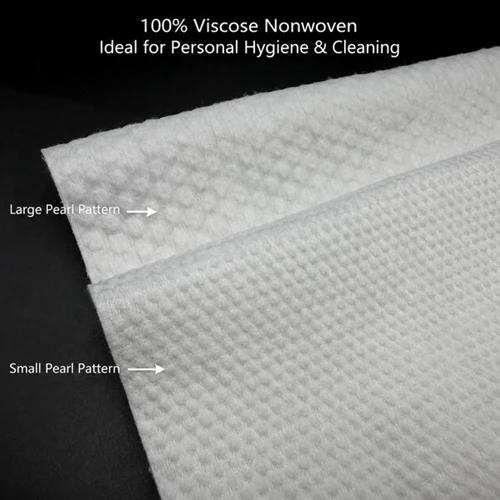
Fiber Web Formation: Fibers (natural, synthetic, or recycled) are carded, air-laid, or wet-laid into a uniform web. For instance, Weston's Stainless Steel Cleaning Spunlace Cloths utilize high-pressure water jets (spunlace technology) to entangle fibers, creating a dense, lint-free structure ideal for industrial cleaning.
Mechanical Stitching: A needle bed interlaces reinforcing threads through the web, forming interlocking loops. This process, distinct from traditional sewing, enhances tensile strength by up to 40% compared to standard non-wovens.
Customization: Additives like antimicrobial agents or flame retardants can be embedded during production, tailoring the fabric for niche applications such as medical gowns or automotive insulation.
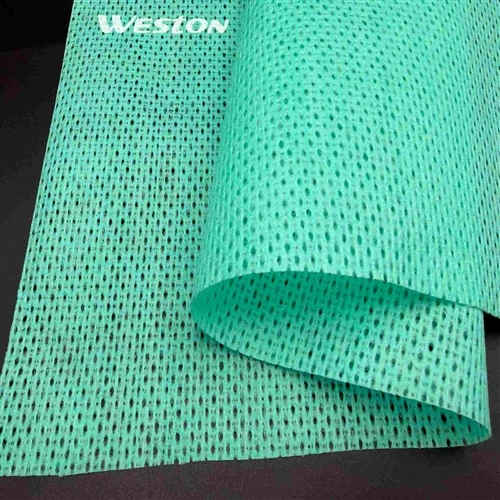
The result? A textile that balances rigidity and flexibility, with stitch patterns (e.g., tricot or milanese) dictating properties like breathability and abrasion resistance.
Applications: From Heavy Industry to Precision Cleaning
1. Industrial Resilience
Filtration Systems: Stitch bonded fabrics with gradient porosity efficiently trap particles in air and liquid filters, reducing downtime in manufacturing plants.
Geotextiles: Used in road construction, these fabrics stabilize soil and prevent erosion, outperforming traditional woven materials in longevity.
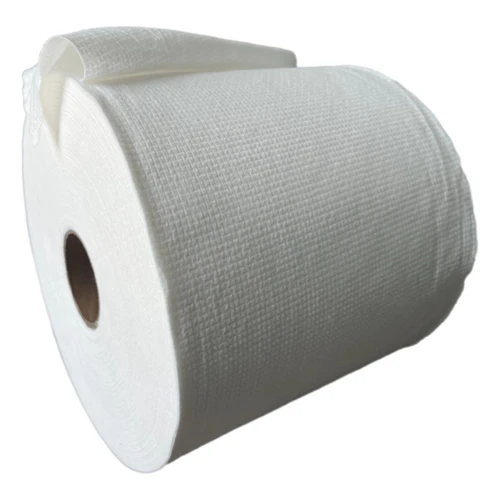
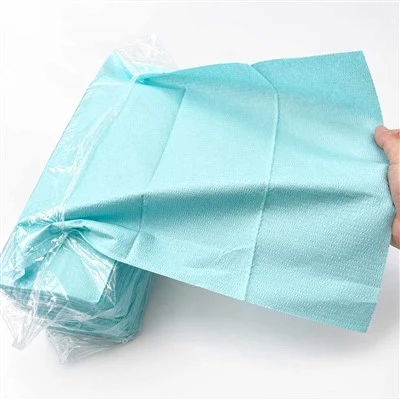
Cleaning Solutions: Weston's Stitched Non-Woven Fabric and Customizable Industrial Cleaning Cloth Rolls leverage reinforced stitching to deliver superior absorbency and durability. These rolls, available in custom sizes, are engineered to withstand harsh chemicals while minimizing lint residue-a critical feature for automotive and electronics manufacturing.
2. Consumer and Healthcare Innovations
Hygiene Products: Soft, breathable stitch bonded fabrics are used in diapers and surgical masks, ensuring comfort without compromising barrier efficacy.
Mattress and Furniture: In bedding, stitch bonded barriers like Tietex's SmartCap FR (a non-branded equivalent) offer flame resistance and stretchability, simplifying installation and reducing labor costs by 70%.
3. Advanced Engineering
Automotive: Lightweight yet robust stitch bonded composites are used in vehicle interiors, reducing weight by 15% while maintaining structural integrity.
Aerospace: High-strength variants are being tested for aircraft components, promising fuel efficiency gains through material optimization.

Advantages Over Traditional Textiles
|
Feature |
Stitch Bonded Fabric |
Woven/Knitted Fabrics |
|
Strength |
Uniform tensile strength in all directions |
Weaker in cross-grain directions |
|
Cost Efficiency |
Reduced material waste due to seamless bonding |
Higher waste from cutting/sewing |
|
Customization |
Adjustable porosity, thickness, and functionality |
Limited design flexibility |
|
Sustainability |
Recyclable with compatible fibers (e.g., RPET) |
Difficult to recycle due to mixed fibers |
Challenges and Innovations
While stitch bonded fabric dominates in performance, it faces hurdles:
Raw Material Costs: High-performance fibers like aramids can inflate production expenses.
Environmental Impact: To mitigate this, Weston's Customizable Industrial Cleaning Cloth Rolls incorporate recycled polyester, reducing carbon footprints by 30% compared to virgin materials.
Innovations on the Horizon:
Smart Textiles: Embedded sensors in stitch bonded fabrics could monitor equipment vibrations in industrial settings, enabling predictive maintenance.
Bio-Based Materials: Research into plant-based fibers (e.g., hemp) and algae-derived polymers aims to create fully biodegradable variants.
Why Partner with Weston Nonwoven?
Weston's Stitched Non-Woven Fabric and Stainless Steel Cleaning Spunlace Cloths exemplify the pinnacle of stitch bonding technology. By combining:
Precision Engineering: Tight stitch density (up to 12 stitches/cm) for heavy-duty applications.
Sustainability: 100% recyclable packaging and water-efficient spunlace production.
Speed to Market: Rapid prototyping with free samples and 72-hour lead times for bulk orders.
Their Customizable Industrial Cleaning Cloth Rolls, designed for industrial degreasing and electronics cleaning, showcase how stitch bonding balances absorbency (up to 8x) with abrasion resistance-a critical edge in competitive sectors.
The Future of Stitch Bonded Fabric
As industries demand lighter, smarter, and more sustainable materials, stitch bonded fabric is poised to lead the charge. From self-cleaning medical textiles to high-strength aerospace composites, its adaptability ensures relevance in tomorrow's challenges.