A Comprehensive Guide for Professional Buyers
In an era where global sustainability goals collide with the urgency to mitigate plastic pollution, Polylactic Acid (PLA) has emerged as a pivotal bio-based material reshaping industries from packaging to personal care. Unlike traditional petroleum-derived plastics that persist in ecosystems for centuries, PLA's unique connection to renewable resources and biodegradable potential has positioned it as a core solution for buyers seeking to align product portfolios with environmental regulations and consumer demand for eco-conscious options. This guide delves into PLA's scientific foundations, performance characteristics, market opportunities, and practical challenges-equipping professional buyers with the insights needed to make informed decisions about integrating this material into their supply chains.
The Scientific Essence and Synthesis Mechanism of PLA
To understand PLA's value, it is critical to first unpack its chemical composition and how it differs from conventional plastics. PLA is an aliphatic polyester synthesized from lactic acid monomers, which are derived entirely from renewable biomass resources such as corn starch, sugarcane bagasse, or cassava roots. This distinction from petroleum-based polymers (e.g., polyethylene, polypropylene) is not merely cosmetic: it fundamentally alters the material's life cycle, from production to end-of-use degradation.
Chemical Composition and Biomass Origin
Lactic acid, the building block of PLA, is produced through microbial fermentation of carbohydrates found in plant-based feedstocks. During fermentation, microorganisms break down starches into lactic acid, which is then purified and converted into lactide-a cyclic dimer that serves as the key intermediate for polymerization. This process is carbon-negative in its feedstock phase: plants absorb carbon dioxide from the atmosphere during growth, offsetting emissions generated during fermentation and polymerization. By contrast, petroleum-based plastics rely on finite fossil fuels, with production releasing significant greenhouse gases (GHGs) at every stage.
Polymerization Pathways and Material Properties
PLA's final characteristics are determined by its polymerization method, which typically falls into two categories: direct condensation polymerization and ring-opening polymerization (ROP). Direct condensation involves linking lactic acid monomers through ester bonds, but this method often results in low-molecular-weight PLA with limited mechanical strength. ROP, the industry-standard approach, uses lactide monomers and a catalyst (e.g., tin octoate) to form high-molecular-weight chains, yielding PLA with the tensile strength, flexibility, and processability required for commercial applications.
The material's properties can be further tailored by adjusting its crystallinity. Amorphous PLA (low crystallinity) offers transparency and flexibility, making it suitable for films and packaging, while semi-crystalline PLA (high crystallinity) boasts improved heat resistance and rigidity, ideal for rigid containers. This versatility allows PLA to replace traditional plastics in a range of use cases-from thin-walled packaging to 3D printing filaments-without sacrificing performance.
Core Performance Traits of PLA and Industrial Adaptability
For professional buyers, PLA's utility hinges on its ability to meet technical requirements while delivering on sustainability promises. This section evaluates PLA's key advantages and limitations, providing a balanced framework for assessing its fit in specific applications.
Advantages: Biodegradability, Low Carbon Footprint, and Mechanical Versatility
Biodegradability Under Controlled Conditions: PLA's most defining feature is its ability to degrade into carbon dioxide, water, and biomass when exposed to industrial composting environments (typically 50–70°C, 60–80% humidity, and microbial activity). According to the European Bioplastics Association, PLA fully degrades within 6–12 months in certified industrial compost facilities-far faster than petroleum plastics, which can take 200–1,000 years to decompose. This makes it a critical solution for single-use products (e.g., packaging, personal care items) that contribute to post-consumer waste.

Reduced Carbon Footprint: Life-cycle assessment (LCA) studies consistently show that PLA production emits 60–75% less GHGs than petroleum-based plastics. For example, a 2023 study by the University of Michigan found that producing 1 kg of PLA generates 0.6 kg of CO₂ equivalent, compared to 2.5 kg for polyethylene. This aligns with global carbon reduction targets, such as the EU's Carbon Border Adjustment Mechanism (CBAM) and China's "Dual Carbon" goals, helping buyers avoid carbon tariffs and meet corporate sustainability commitments.
Mechanical Compatibility with Existing Infrastructure: PLA can be processed using standard plastic manufacturing equipment (e.g., extrusion, injection molding, thermoforming) without significant modifications. This reduces switching costs for buyers, as existing production lines can be adapted to PLA with minimal investment. For instance, PLA films can be printed, sealed, and cut using the same machinery as polyethylene films, ensuring seamless integration into packaging workflows.
Limitations: Thermal Stability, Degradation Conditions, and Chemical Resistance
Low Heat Resistance: PLA's glass transition temperature (Tg) is approximately 60°C, meaning it softens or deforms when exposed to temperatures above this threshold. This limits its use in hot-fill applications (e.g., bottled beverages, cooked food packaging) or environments with prolonged heat exposure (e.g., car interiors). While modified PLA (e.g., PLA blended with polyhydroxyalkanoates, or PHAs) can improve heat resistance to 100°C, these formulations often increase costs and complexity.
Dependence on Industrial Composting: PLA does not degrade effectively in home composting or landfill environments. In home composts, temperatures and microbial activity are insufficient to break down PLA's polymer chains, leading to persistent waste. In landfills-where oxygen is limited-PLA may undergo anaerobic degradation, producing methane (a potent GHG) instead of harmless byproducts. This means PLA's environmental benefits are only realized if buyers and consumers have access to certified industrial composting facilities, which remain scarce in many regions (e.g., only 10% of EU countries have widespread industrial composting infrastructure).
Poor Chemical Resistance: PLA is susceptible to degradation by strong acids, bases, and organic solvents. This restricts its use in applications requiring contact with harsh chemicals (e.g., cleaning product packaging, industrial containers). For example, PLA bottles may degrade when filled with acidic juices or alcoholic beverages, leading to leakage or product contamination.
Opportunities and Practical Challenges in PLA Applications
The global PLA market is projected to grow at a CAGR of 15.2% from 2024 to 2030, driven by policy mandates and consumer demand. However, realizing this potential requires addressing key industry challenges that impact scalability and cost-effectiveness.
Market Opportunities Driven by Sustainability Policies
Governments worldwide are implementing regulations that favor bio-based materials like PLA. The EU's Single-Use Plastics Directive (SUPD), for example, bans certain single-use plastics (e.g., cutlery, straws) and requires 30% of plastic packaging to be bio-based by 2030. Similarly, California's Extended Producer Responsibility (EPR) program imposes fees on petroleum-based plastics, making PLA a cost-competitive alternative for buyers.
Consumer demand is another major driver. A 2024 survey by Nielsen found that 78% of global consumers are willing to pay a premium for products with sustainable packaging, with PLA being the most recognized bio-based material. This trend is particularly strong in the food and beverage, cosmetics, and personal care sectors-industries where brand reputation is closely tied to sustainability. For example, cosmetic brands are increasingly adopting PLA packaging for skincare products to appeal to eco-conscious consumers, creating opportunities for buyers in the personal care supply chain.
Industry Pain Points: Raw Material Supply and Degradation Infrastructure
Feedstock Dependence and Price Volatility: PLA production relies heavily on food crops (e.g., corn, sugarcane), raising concerns about food security and price volatility. In 2023, a global corn shortage caused by droughts in the U.S. and Brazil led to a 25% increase in lactic acid prices, squeezing profit margins for PLA manufacturers and buyers. To mitigate this risk, the industry is shifting toward non-food feedstocks (e.g., agricultural waste, algae), but these technologies are still in early stages of commercialization.
Limited Degradation Infrastructure: As noted earlier, PLA's biodegradability depends on industrial composting facilities, which are underdeveloped in many regions. In Asia-one of the largest PLA markets-only China and Japan have significant industrial composting capacity; countries like India and Indonesia have fewer than 50 certified facilities combined. This gap means that even if buyers adopt PLA, the material may end up in landfills, undermining its sustainability value. To address this, some governments (e.g., South Korea) are investing in composting infrastructure, but progress is slow.
Scalability and Cost: While PLA production has scaled significantly in recent years (global capacity reached 1.2 million tons in 2024), it remains more expensive than petroleum-based plastics. PLA currently costs 1.80–2.201.80–2.201.80–2.20 per kg, compared to 1.00–1.501.00–1.501.00–1.50 per kg for polyethylene. This price gap is a barrier for price-sensitive buyers, though economies of scale and technological advancements are expected to reduce costs by 30% by 2030.
Industrial Practice of PLA Materials and Sustainable Value
For professional buyers, PLA's real-world application lies in its ability to replace traditional plastics in high-volume, single-use products. Weston Manufacturing, a leader in sustainable nonwoven materials, has developed PLA-based and complementary eco-friendly products that address key industry needs-balancing performance, sustainability, and practicality.
PLA in Packaging: Balancing Function and Eco-Friendliness
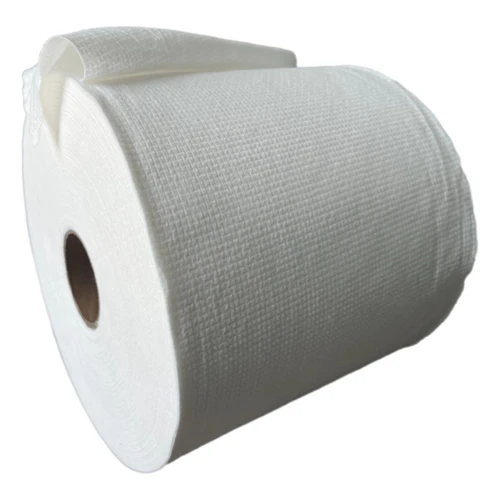
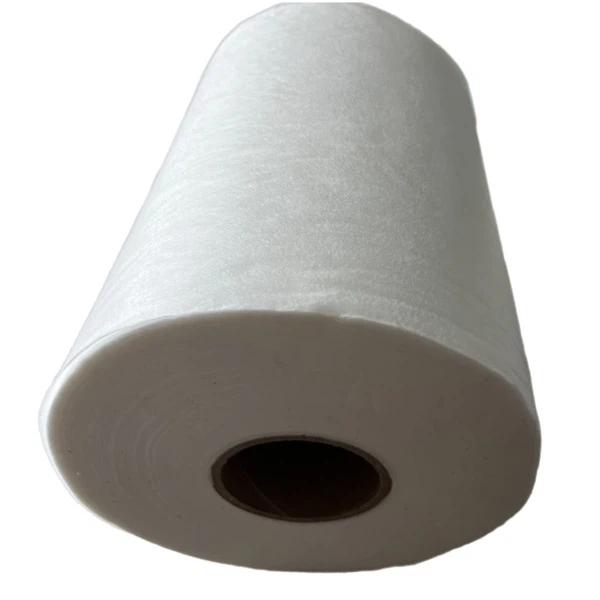
Packaging is the largest application for PLA, accounting for 60% of global PLA consumption. Weston Nonwoven's 75% PLA Packaging Materials are engineered to meet the demands of lightweight packaging scenarios, such as fresh produce wrapping, e-commerce cushioning, and disposable food containers. The 75% PLA formulation combines PLA's biodegradability with a small percentage of petroleum-based polymers (25%) to enhance heat resistance (up to 75°C) and puncture resistance-addressing a key limitation of 100% PLA. This hybrid approach makes the material suitable for packaging fruits, vegetables, and ready-to-eat meals, where both sustainability and durability are critical.
In addition to performance, 75% PLA Packaging Materials align with global recycling systems. While PLA is not yet widely recyclable with traditional plastics, Weston's formulation is compatible with chemical recycling processes, which break down the material into lactic acid monomers for reuse in new PLA production. This closed-loop system reduces waste and ensures long-term sustainability for buyers.
Sustainable Nonwovens: Complementary Solutions to PLA
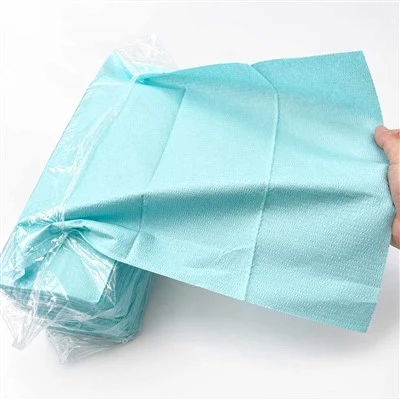
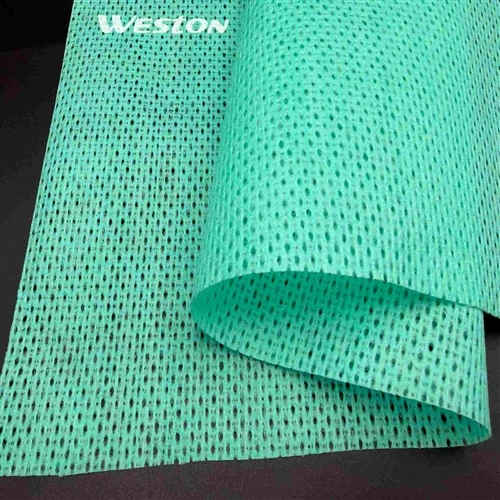
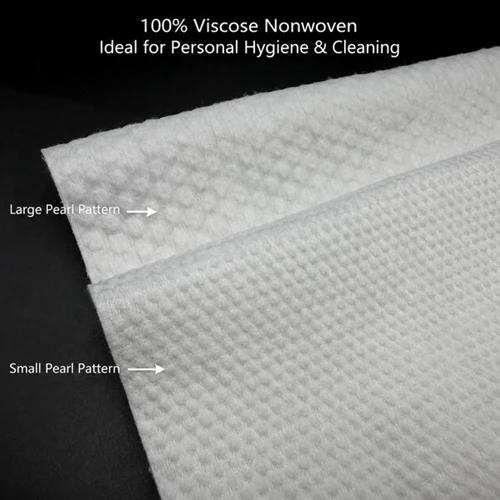
While PLA excels in packaging, it is not the only sustainable material for professional buyers. Weston Nonwoven offers a range of eco-friendly nonwoven products that complement PLA, addressing diverse application needs:
100% Organic Cotton Face Mask Sheets: Made from certified organic cotton (no pesticides or synthetic fertilizers), these sheets are biodegradable and gentle on sensitive skin. They are an ideal alternative to non-biodegradable polyester mask sheets, appealing to cosmetic brands focused on clean beauty and sustainability.
100% Lyocell Makeup Remover Pads: Lyocell, a cellulose-based fiber produced from wood pulp using a closed-loop solvent system, is fully biodegradable and requires 95% less water to produce than cotton. These pads are soft, absorbent, and compatible with all skincare products, making them a sustainable choice for personal care brands.
100% Bamboo Fiber Polish Cloths: Bamboo fiber is naturally antibacterial and fast-growing (no irrigation or pesticides needed), making it a highly sustainable material. These cloths are durable, lint-free, and suitable for cleaning electronics, furniture, and automotive surfaces-replacing microfiber cloths made from petroleum-based polyester.
Together, these products and Weston's 75% PLA Packaging Materials form a comprehensive sustainable portfolio, allowing buyers to integrate eco-friendly solutions across multiple product lines without compromising on quality or functionality.
Future Trends of PLA Materials: Innovation and Collaboration
The long-term success of PLA depends on technological innovation and industry collaboration. For professional buyers, staying ahead of these trends will be key to leveraging PLA's full potential.
Modification Technologies to Overcome Performance Limitations
Research into PLA modification is focused on addressing its core limitations: heat resistance and chemical resistance. One promising approach is nanocomposite reinforcement, where PLA is blended with nanomaterials (e.g., clay, graphene) to improve heat resistance to 120°C and enhance barrier properties against oxygen and moisture. Another trend is the development of PLA-PHA blends: PHAs, another bio-based polymer, offer superior heat resistance and flexibility, and blending them with PLA creates a material that combines the best properties of both. These modified PLA formulations are expected to enter commercial production by 2026, expanding PLA's use into hot-fill packaging and automotive components.
Whole-Life Cycle Management for True Sustainability
To maximize PLA's environmental benefits, the industry must move beyond material production to focus on end-of-use management. This includes:
Infrastructure Investment: Governments and private companies must invest in industrial composting and chemical recycling facilities to ensure PLA is properly disposed of. For example, the EU's Circular Economy Action Plan includes funding for 500 new industrial composting facilities by 2030.
Consumer Education: Buyers and brands play a critical role in educating consumers about PLA's degradation requirements. Clear labeling (e.g., "Compostable in Industrial Facilities") helps consumers properly dispose of PLA products, avoiding landfill contamination.
Supply Chain Collaboration: From feedstock producers to composting facilities, collaboration across the PLA supply chain is essential. Weston Nonwoven, for instance, partners with composting facilities to test its 75% PLA Packaging Materials and ensure they meet degradation standards, providing buyers with confidence in the material's end-of-life performance.
For professional buyers seeking to evaluate the performance of PLA-based and sustainable nonwoven products, Weston offers free samples of its 75% PLA Packaging Materials, 100% Organic Cotton Material, 100% Lyocell Makeup Remover Pads, and 100% Bamboo Fiber Polish Cloths; inquiries can be directed to info@westonmanufacturing.com. By integrating PLA and complementary eco-friendly materials into their supply chains, buyers can not only meet regulatory requirements and consumer demand but also contribute to a more sustainable future-one where materials serve their purpose without harming the planet.