The Material Science Behind Everyday Essentials
Right now, you're probably touching something made with nonwoven fabric and don't even realize it. Whether it's the baby wipe you used this morning, the face mask in your drawer, or the filter keeping dust out of your home-nonwoven materials have quietly become indispensable to modern life. But what exactly is this material, and why has it revolutionized so many industries?
The Science of Nonwoven: A Different Approach
Unlike traditional woven fabrics that require complex looms to interlock threads over and under each other, nonwoven fabrics take a fundamentally different approach. Instead of spinning yarn and then weaving, nonwoven technology bonds fibers directly together through mechanical, thermal, or chemical processes. This difference isn't just technical-it transforms what's possible in terms of cost, performance, and sustainability.
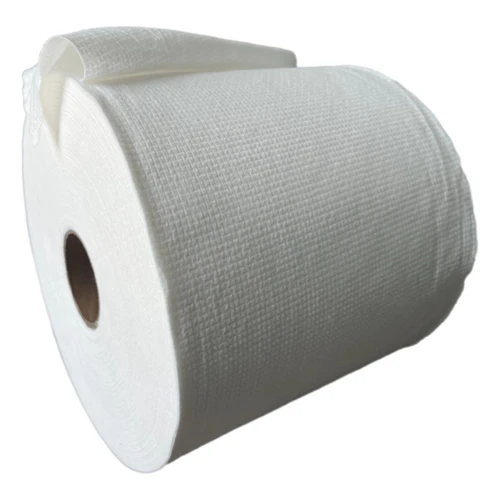
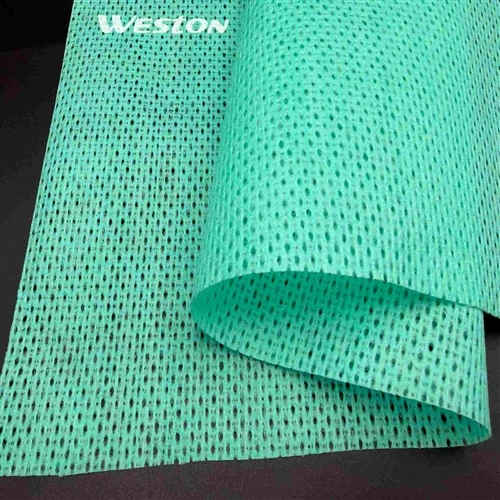
The most innovative nonwoven production method is spunlace, also called hydroentanglement. High-pressure water jets entangle fibers together at the molecular level, creating a fabric that's simultaneously soft, durable, and breathable. The brilliance of this approach? No harsh chemical adhesives are needed. The water-jet process creates genuine fiber bonding that delivers superior absorbency while remaining skin-safe-a critical advantage in medical and personal care applications.
Where Nonwoven Fabric Actually Matters
Personal Care & Hygiene Excellence
The personal care industry discovered what nonwoven fabric could do, and the results transformed product design. Baby wipes made from spunlace nonwoven absorb 300-480% of their weight in liquid-significantly outperforming traditional cotton alternatives. This isn't just marketing speak; it's measurable physics. Higher absorbency means fewer wipes needed per use, reducing waste while improving cleaning effectiveness.

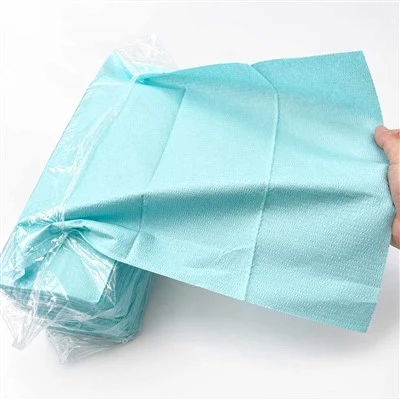
Disinfectant wipes represent another critical application. When you saturate a traditional cotton cloth, it loses integrity and falls apart. Nonwoven wipes remain structurally sound even when completely wet, maintaining durability through the entire cleaning task. The lint-free construction matters too-nothing left behind on your surfaces.
Healthcare & Medical Innovation
In hospitals and operating rooms worldwide, nonwoven fabric isn't optional-it's foundational. Single-use nonwoven surgical gowns, drapes, and masks eliminated cross-contamination risks that plagued reusable woven textiles. Modern medical-grade nonwoven features layered construction: hydrophobic outer layers repel blood and body fluids, while inner breathable layers protect staff comfort during extended wear.
The advancement goes deeper. Wound dressings using advanced nonwoven formulations incorporate antimicrobial treatments like silver ions, actively preventing infection while maintaining optimal moisture for faster healing. This engineering precision-controlling absorbency, breathability, and antimicrobial properties simultaneously-represents a level of material sophistication impossible with traditional textiles.
Industrial & Filtration Applications
Beyond personal care, nonwoven fabric serves as the backbone of industrial infrastructure. Air filtration systems in factories, hospitals, and homes rely on nonwoven's unique ability to trap microscopic particles while maintaining steady airflow. The interconnected fiber matrix creates labyrinthine pathways that capture dust, bacteria, and allergens with remarkable efficiency.
Water treatment facilities use nonwoven for liquid filtration-removing contaminants while allowing clean water to flow through. Automotive manufacturers incorporate nonwoven for sound absorption, thermal insulation, and interior components. In construction, geotextile nonwoven prevents soil erosion while allowing water drainage, a balance traditional materials struggle to achieve.
This versatility comes from engineered fiber structure. By adjusting fiber diameter, density, and material composition, manufacturers create specialized nonwoven fabrics for specific industrial challenges. It's applied material science solving real-world problems.
Sustainability: The Game-Changer
Here's where nonwoven fabric becomes genuinely revolutionary. Biodegradable nonwoven using fibers like bamboo, viscose, and lyocell creates truly eco-friendly alternatives to both traditional woven textiles and synthetic plastics. These materials decompose within months in composting environments-not decades in landfills.
The water-jet production process itself represents environmental progress. Unlike meltblown or spunbond methods requiring chemical adhesives, spunlace uses only water and mechanical entanglement. Water used in production is often recycled within the facility, reducing waste and energy consumption compared to traditional textile manufacturing.
What's remarkable: biodegradable nonwoven now costs approximately the same as conventional synthetic alternatives. This isn't a premium sacrifice-it's genuine technological advancement making sustainable products economically viable at scale. Regulatory pressure from the EU's plastic bans and extended producer responsibility laws is accelerating this shift, making sustainable nonwoven not a choice but an economic necessity.
The Innovation Trajectory
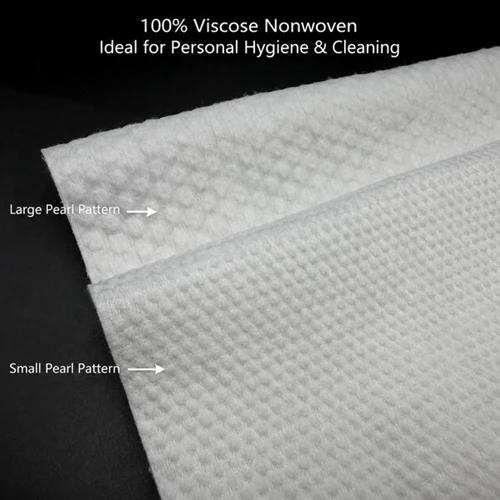
The nonwoven industry isn't standing still. Smart textiles integrating temperature sensors for healthcare monitoring are moving from laboratory to commercial production. Nanofiber technology enhances filtration without increasing bulk. Embossing techniques add both aesthetic appeal and functional performance improvements.
More fundamentally, designers and manufacturers are reconsidering what's possible. Advanced absorbent cores for medical applications. Moisture-responsive fabrics that adjust porosity based on humidity. Recycled polyethylene terephthalate (rPET) transforming plastic waste into high-performance materials. The innovation pipeline represents genuine material science evolution, not incremental improvements.
Recognizing Quality in Nonwoven Materials
When evaluating nonwoven products, focus on performance metrics that matter: absorption capacity, tear strength when wet, breathability ratings, and whether the material is genuinely biodegradable or merely marketed as "eco-friendly." Premium spunlace nonwoven from specialized manufacturers combines superior performance with environmental responsibility.
The fiber composition tells the story. Natural fibers (cotton, wood pulp, bamboo, lyocell) offer skin-safety and biodegradability. Synthetic options (polyester, polypropylene) provide durability and water resistance. Advanced manufacturers engineer blended compositions optimizing specific application requirements-medical-grade softness, industrial-strength durability, or consumer-friendly sustainability.

Looking Forward
As global regulations tighten and consumer expectations rise, nonwoven fabric represents the future of functional textiles. The material delivers measurable advantages: superior performance, cost-effectiveness, manufacturing efficiency, and genuine sustainability options. Whether addressing hospital infection control, industrial filtration challenges, personal care innovation, or environmental responsibility, nonwoven fabric solves real problems through applied material science.
Understanding nonwoven isn't just intellectual curiosity-it's recognizing the engineering powering the products you trust with your health, your home, and your responsibility to the planet.
Discover Premium Nonwoven Solutions
Interested in high-performance, sustainably produced nonwoven fabrics? Weston is a leading nonwoven fabric manufacturer specializing in advanced spunlace technology for personal care, medical, and industrial applications. Our water-jet hydroentanglement process delivers superior absorbency, durability, and breathability while maintaining environmental responsibility.
Whether you're developing consumer products, sourcing medical-grade materials, or optimizing industrial applications, our engineered nonwoven solutions provide measurable performance advantages. Request a free sample and technical consultation today to experience the difference premium nonwoven manufacturing delivers.
Contact Information: info@westonmanufacturing.com
Learn more about how nonwoven fabric innovation can transform your products and operations.