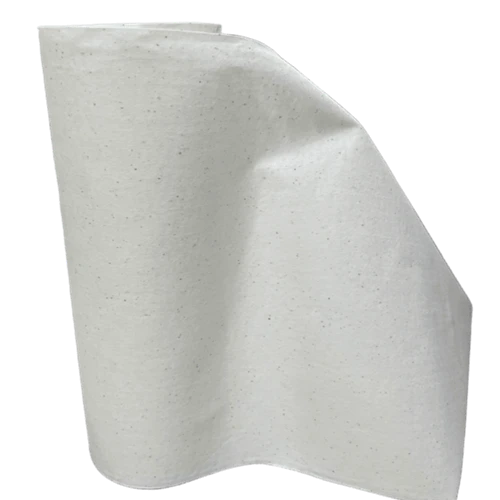
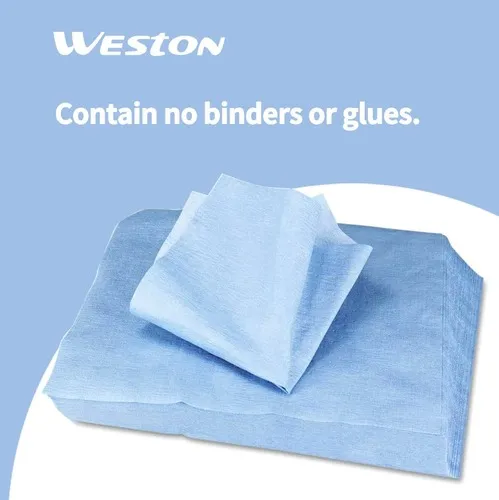
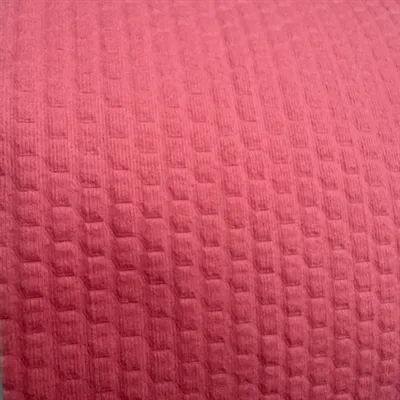
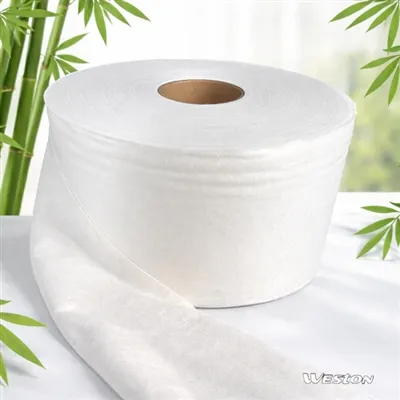
Nonwoven fabric surrounds us in our daily lives, though we rarely stop to notice its remarkable versatility. Unlike traditional textiles, nonwoven fabric is made directly from fibers bonded together through chemical, mechanical, heat, or solvent treatments, skipping the intermediate step of converting fibers to yarn first.

We find nonwoven fabrics in countless applications due to their customizable properties. From surgical masks and isolation gowns in medical settings to HEPA filters and vacuum bags for filtration purposes, these materials offer exceptional functionality. Additionally, non woven fabric provides specific benefits like absorbency, liquid repellence, strength, and thermal insulation. This flexibility explains why non woven fabric manufacturers can create products for such diverse uses as wound dressings, geotextile bags for erosion control, and acoustic insulation. In fact, nonwoven geotextile bags have proven remarkably durable, with only 10 out of 48,000 bags damaged during a large-scale erosion protection project despite rapid installation rates.
Throughout this article, we'll explore what makes nonwoven fabrics unique, examine their key characteristics, discuss major applications, and delve into the various manufacturing techniques that create these versatile materials.
Key Characteristics of Nonwoven Fabrics
The foundation of nonwoven fabrics lies in their unique structural composition that differentiates them from conventional textiles. These specialized materials possess distinctive properties that make them suitable for diverse applications across multiple industries.
Made from staple or continuous fibers
Nonwoven fabrics originate from two primary fiber types: staple fibers (short) and continuous fibers (long). This combination forms the backbone of their versatility. Staple fibers typically measure a few centimeters in length, while continuous fibers, also known as filaments, run uninterrupted throughout the fabric structure.
The selection of fibers significantly influences the final characteristics of the material. Manufacturers commonly utilize both natural fibers (cotton, wood pulp) and synthetic options (polyester, polypropylene, rayon). Furthermore, these fibers can be blended strategically to achieve specific performance attributes such as enhanced softness, strength, or absorbency.
For instance, diapers often incorporate two different layers of nonwoven fabrics: an outer layer of wetting-agent treated polyester for rapid fluid penetration with minimal lateral weaking, and an inner absorbent rayon layer. This demonstrates how fiber selection enables customized functionality.
Bonded by mechanical, thermal, or chemical methods
What truly defines nonwoven fabrics is their bonding process, which transforms loose fiber arrangements into cohesive materials. Unlike traditional textiles, these fabrics gain their structural integrity through three primary bonding methods:
Mechanical bonding: This process creates entanglement between fibers through:
Needlepunching: Barbed needles penetrate the fiber web, rearranging fibers three-dimensionally
Hydroentanglement: High-pressure water jets force fiber entanglement, creating textile-like properties comparable to woven fabrics
Thermal bonding: Becoming increasingly important, this method uses heat to fuse fibers without requiring additional binders. The process employs:
Calendering: Heated rollers apply pressure and heat
Through-air thermal bonding: Hot air melts binding components
Ultrasonic pattern bonding: Used for high-loft insulation materials
Chemical bonding: Involves applying binders like latex emulsions or solution polymers that join fibers when cured. Application methods include:
Impregnation
Spray bonding
Print bonding
Each bonding technique yields different fabric properties, consequently affecting strength, softness, durability, and other performance characteristics. The chosen method primarily depends on the intended application of the nonwoven material.
Not woven or knitted like traditional fabrics
Nonwoven fabrics stand apart from conventional textiles through their unique manufacturing process. Instead of interlacing threads (weaving) or forming loops (knitting), nonwovens create a fiber network through direct fiber bonding.
This structural difference results in several distinctive properties:
The appearance of nonwoven fabrics ranges from paper-like to felt-like, occasionally resembling woven fabrics. Their hand feel varies considerably-from soft and resilient to hard and stiff with little pliability. Thickness can range from tissue-paper thin to substantially thicker materials, while porosity spans from low to high tear and burst strength.
Moreover, nonwoven fabrics can be engineered with specialized properties such as bacterial protection, liquid repellency, flame retardancy, electrical insulation, and thermal insulation. Their adaptability makes them perfect for applications requiring specific performance attributes.
Although woven fabrics generally offer superior strength due to their construction, nonwoven materials can be reinforced by bonding multiple layers or adding supportive backing. This flexibility allows non woven fabric manufacturers to create products that meet precise technical specifications across numerous industries.
Major Applications of Nonwoven Fabric
The versatility of nonwoven fabrics extends across numerous industries, powering essential applications in our everyday lives. Their engineered properties make them indispensable in sectors ranging from healthcare to construction and consumer goods.
Medical uses: surgical masks, gowns, and drapes
Nonwoven fabrics play a crucial role in healthcare settings where protection and sterility are paramount. Surgical masks typically consist of three layers of SMS (spunbond-meltblown-spunbond) nonwoven fabric, with the meltblown middle layer acting as the primary filter. This structure effectively prevents the transmission of bacteria and viruses while allowing breathability.
Medical gowns made from nonwovens provide superior protection against bodily fluids and blood compared to traditional textiles. These single-use garments have proven effective in preventing cross-contamination and reducing hospital-acquired infections (HAIs). Specifically, polypropylene-based gowns offer the greatest protection against blood strike-through and microbial penetration.
Surgical drapes follow similar construction principles, with multiple layers serving different functions:
Outer spunbond layer for mechanical barrier and liquid repellency
Middle meltblown layers for moisture management and bacterial filtration
Inner spunbond layer for comfort and additional protection
Beyond masks and gowns, nonwoven fabrics are utilized in bandages, wound dressings, and sterile packaging, helping to create safer healthcare environments.
Filtration: HEPA filters, vacuum bags, and water filters
In filtration applications, nonwoven fabrics excel at capturing contaminants while maintaining airflow. HEPA (High Efficiency Particulate Air) filters, which can remove 99.97% of particles larger than 0.3 microns, rely on nonwoven materials. The meltblown nonwoven serves as the core filter layer, effectively trapping microscopic particles.
Nonwoven filters are equally important in liquid filtration. They're used in processing and purifying drinking water, as well as in pharmaceutical, medical, food, and chemical engineering industries. Their structure enables high flow capacity while removing contaminants ranging from bacteria to metals and minerals.
The advantages of nonwoven materials in filtration include their uniform structure, tear resistance, chemical resistance, high retention capacities, and excellent abrasion resistance. These properties make them ideal for applications requiring precision filtration under demanding conditions.

Geotextiles: erosion control and drainage systems
Nonwoven geotextiles, typically made from polypropylene staple fibers, serve critical functions in civil engineering and construction. These dimensionally stable fabrics support separation, stabilization, subsurface drainage, and filtration.
In drainage applications, nonwoven geotextiles allow water to pass through while preventing soil infiltration that could clog systems. This makes them an economical alternative to graded aggregate and sand filters, eliminating many problems associated with using and transporting traditional materials.
For erosion control, nonwoven geotextiles create effective barriers that stabilize soil. Their permeable nature enables high water flow rates while maintaining dimensional stability, making them ideal for retaining walls and soil separation projects.
Consumer products: diapers, wipes, and insulation
Nonwoven fabrics have revolutionized consumer products through their customizable properties. In diapers, they offer exceptional absorbency, softness, and leakage protection. Modern diapers incorporate:
Outer nonwoven layers with quick absorption properties
Inner layers with superabsorbent polymers
Breathable materials that reduce skin irritation
Wet wipes represent another significant application, with spunlace nonwoven fabrics used in baby wipes, makeup removers, and household cleaning products. Their absorbency, softness, and strength make them ideal for single-use cleaning applications.
Beyond personal care, nonwoven fabrics appear in everyday items like coffee filters, tea bags, dryer sheets, and floor dusting cloths. In these applications, properties like wet strength, ability to release scents or softeners, and dust-trapping capabilities make nonwovens the material of choice.
Manufacturing Techniques of Nonwoven Fabrics
The production of nonwoven fabrics relies on several specialized manufacturing techniques that transform raw fibers into cohesive materials without traditional weaving or knitting processes. Each method creates unique structural properties suited for specific applications.
Staple fiber processing and carding
Staple nonwovens are produced through a four-step process. Initially, fibers are spun, cut to lengths of a few centimeters, and packed into bales. Subsequently, these fibers undergo blending and opening before being dispersed onto a conveyor belt. The web formation occurs through either wetlaid, airlaid, or carding/crosslapping methods. Wetlaid typically uses fibers measuring 0.25 to 0.75 inches, whereas airlaid processing generally employs fibers ranging from 0.5 to 4.0 inches. Carding operations commonly utilize approximately 1.5-inch fibers. After web formation, bonding occurs either thermally or through resin application.
Melt-blown extrusion for fine fiber webs
Melt-blown nonwovens begin with polymer extrusion through a die containing up to 40 holes per inch. As the melted polymer exits the spinneret, high-velocity hot air stretches and cools the fibers, creating extremely fine diameters-typically between 1 and 5 microns. This process yields webs with excellent filtration capabilities but relatively low intrinsic strength. Primarily, polypropylene serves as the preferred raw material due to its flow properties. Notably, melt-blown fabrics excel in applications requiring fine filtration with low pressure drop, making them essential components in face masks and filters.
Spunbond method for continuous fiber webs
The spunbond process creates nonwovens in one continuous operation. Polymer granules are extruded into filaments through spinnerets, then stretched and quenched before being deposited on a conveyor belt. This technique allows faster belt speeds and lower costs compared to other methods. Polypropylene spunbonds run at higher speeds and lower temperatures than polyester spunbonds, primarily because of differences in melting points. Bonding occurs either through resin application or thermal methods, producing stronger fabrics than melt-blown alternatives.
Hydroentanglement in spunlace production
Hydroentanglement, or spunlace, employs high-pressure water jets to entangle fibers, creating strong, durable fabrics without chemical binders. The process begins with a fiber web laid on a conveyor belt, which passes through jets spraying water at high pressure. These water jets cause the fibers to interlock firmly. After entanglement, the web undergoes drying and finishing to achieve desired properties. This method produces textile-like materials with excellent softness and drape.
Air-laid and flashspun methods
Air-laid technology uses air currents rather than water to arrange and entangle loose fibers. Fibers are mechanically separated, fluffed, and introduced into a forming machine where high-velocity air disperses them onto a moving belt. The resulting nonwoven exhibits lower density, greater softness, and absence of laminar structure compared to carded webs. Flashspun methods involve rapidly evaporating solvents under high pressure to create fibers, which are assembled into lightweight webs with excellent barrier properties.
Bonding Methods Used in Nonwoven Fabric Production
Bonding represents the critical phase where loose fibers are transformed into cohesive nonwoven fabrics. This process fundamentally determines the strength, durability, and overall performance characteristics of the final product.
Thermal bonding using heated rollers
Thermal bonding uses heat to activate thermoplastic components within the fiber web. Calendering, the most common method, passes the web through heated rollers under pressure. This technique employs three main approaches:
Area bonding: Uses a heated metal roll against a composition roll, creating smooth, thin, and stiff products
Point bonding: Utilizes a heated patterned roll against a smooth roll, producing flexible fabrics with discrete bond points
Embossing: Creates decorative patterns while bonding
Through-air bonding, alternatively, pulls hot air through the nonwoven web using negative pressure. This method produces bulkier, softer materials with excellent absorbency and breathability. Ultrasonic bonding applies rapidly alternating compressive forces, converting mechanical energy to heat at fiber intersections. This creates strong bonds without external heat sources, particularly effective for synthetic fibers.

Chemical bonding with latex emulsions
Chemical bonding employs adhesive binders to join fibers at crossover points. Synthetic latex polymers are primarily applied through saturation, spray, or foam processes. When the web dries, latex particles form cross-links between fibers, creating stable bonds. Manufacturers can select specific polymer types (ethyl vinyl acetate, acrylic, butadiene styrene copolymer) to achieve desired properties from soft and drapable to stiff and rigid.
Needlepunching for mechanical entanglement
Needlepunching entangles fibers using barbed needles that penetrate vertically through the web. These specialized needles hook and rearrange fibers, creating mechanical interlocking. The process typically involves 800-2500 penetrations per square inch, with higher punch densities used for fabrics requiring greater durability. Needle-punched nonwovens resemble felt but can be made from various fibers, producing fabrics with high density yet moderate bulk.
Hydroentanglement using high-pressure water jets
Hydroentanglement, often called spunlacing, employs fine, high-pressure water jets to entangle fibers without chemical binders. The process begins with a fiber web passing through water curtains pressurized at precise levels. Hence, fibers become twisted and entangled, creating numerous fiber-to-fiber intersections. Consequently, the technique produces nonwovens with superior web uniformity, excellent strength-to-weight ratios, and enhanced absorption properties.
Disposability and Environmental Considerations
As environmental awareness grows, the end-of-life considerations for nonwoven fabrics have become increasingly important. The disposability characteristics of these materials present both challenges and opportunities for sustainable development.
Flushability standards and testing
Flushability refers to products suitable for toilet disposal that meet rigorous industry standards. The Fourth Edition Guidelines for Assessing the Flushability of Disposable Nonwoven Products (GD4) established comprehensive testing protocols requiring evidence that products:
Clear toilets and drainage pipes properly
Pass through wastewater systems without causing blockages
Become unrecognizable in treatment system effluent
Testing parameters are strictly defined-settling velocity must exceed 0.1 cm/sec with at least 95% of wipes settling, and after 14 days, 95% of initial dry mass must pass through a 1mm sieve. For products not meeting these standards, clear "Do Not Flush" labeling is mandatory to reduce infrastructure burden.
Biodegradability of different fiber types
The biodegradation rate of nonwoven fabrics varies dramatically based on fiber composition. Natural cellulose fibers typically decompose within 1-6 months, thanks to their accessible glyosidic bonds. In contrast, PLA (polylactic acid) degradation depends heavily on environmental conditions, with different phases of decomposition occurring at varying rates.
Fiber composition directly influences biodegradation timelines. Cotton-containing blends degrade faster since microorganisms colonize cotton more readily. Viscose nonwovens can biodegrade in just a few weeks under optimal conditions, especially when modified with natural compounds. Nonwoven jute degrades faster than woven jute, while flax/hemp nonwovens achieve 90% biodegradation after approximately 10 months.
Recyclability and reuse in industrial settings
Between 35-40% of textile waste consists of cellulose that can be repurposed for biofuel production including ethanol and biogas. However, collection rates for recyclable textiles remain low globally-ranging from 10-12% in developing economies to 32-43% in more developed countries.
Recycling challenges include complex material composition, difficult separation of components, and chemical contaminants. Nevertheless, innovations continue emerging, with over 30% of polyester fiber used in European nonwovens now coming from recycled materials. Fully compostable nonwovens made from plant-based fibers represent promising alternatives that complete their lifecycle with minimal environmental impact.
Nonwoven fabrics represent a remarkable engineering achievement that surrounds us daily in countless essential applications. Throughout this article, we have explored how these versatile materials differ fundamentally from traditional textiles through their direct fiber-to-fabric manufacturing process. Rather than requiring yarn creation and subsequent weaving or knitting, nonwovens gain their structural integrity through specialized bonding techniques.
The distinctive characteristics of nonwoven fabrics stem primarily from their fiber composition and bonding methods. Accordingly, manufacturers can precisely engineer materials with specific properties such as strength, absorbency, filtration efficiency, or liquid repellence. This customization capability explains why nonwovens have become indispensable across diverse sectors including healthcare, filtration, construction, and consumer goods.
Manufacturing techniques significantly influence the final properties of nonwoven materials. Spunbond processes create stronger continuous fiber webs, while meltblown technology produces extremely fine fibers ideal for filtration. Additionally, hydroentanglement creates textile-like properties without chemical binders, offering excellent strength-to-weight ratios. Each method serves specific applications based on required performance characteristics.

Environmental considerations have undoubtedly become increasingly important for nonwoven fabric development. The industry now focuses on flushability standards, biodegradability improvements, and enhanced recyclability. Certainly, challenges remain regarding disposal and sustainability, though innovations continue to emerge with promising eco-friendly alternatives such as plant-based fibers and biodegradable compositions.
The future of nonwoven fabrics appears bright as their applications continue to expand. Companies like WestonNonwoven lead innovations in developing specialized materials with improved performance and sustainability profiles. These advancements will likely address current limitations while opening new possibilities across medical, industrial, and consumer applications.
Nonwoven fabrics have transformed numerous industries through their unique properties and manufacturing flexibility. Their continued evolution promises even greater contributions to solving complex challenges in filtration, protection, and sustainability. The remarkable versatility of these engineered materials ensures they will remain essential components in countless products that enhance our daily lives for years to come.