The modern healthcare environment demands materials that perform under extraordinary conditions-materials that must simultaneously protect, breathe, absorb, and maintain structural integrity while meeting the most stringent safety standards. Medical non-woven fabrics represent a revolutionary approach to meeting these complex demands, transforming how healthcare professionals and facilities approach infection prevention, patient care, and therapeutic intervention.
The Engineering Marvel Behind Medical-Grade Protection
Medical non-woven fabrics operate on a fundamentally different principle than traditional woven textiles. Rather than interlocking threads through conventional weaving, these materials bond individual fibers through thermal, mechanical, or chemical processes, creating structures with precisely controlled properties impossible to achieve through traditional manufacturing. This engineering approach allows manufacturers to customize materials for specific clinical applications, optimizing performance characteristics while minimizing material waste.
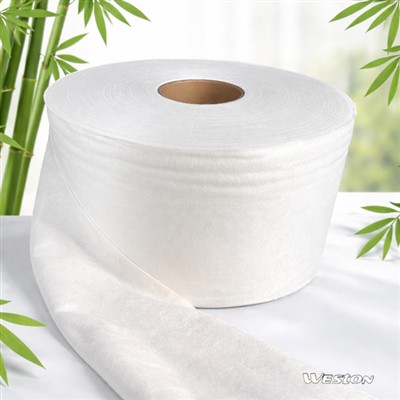
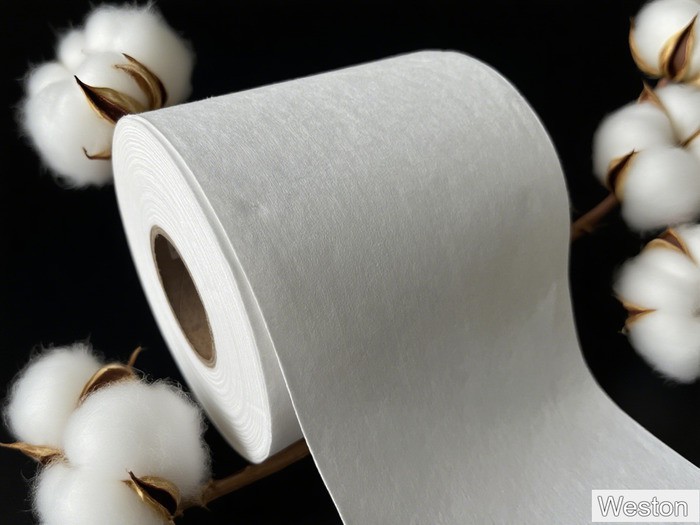
The architecture of medical-grade non-woven fabrics typically employs composite structures combining multiple layers, each engineered for distinct purposes. The Medical Grade PP Meltblown Fabric layer provides superior filtration capability, capturing particles as small as 0.3 micrometers through a combination of mechanical interception and electrostatic attraction. These ultra-fine fibers create a labyrinthine matrix that functions as an invisible barrier against infectious agents while permitting air and water vapor molecules to traverse the material. Spunbond layers provide structural strength and durability, ensuring materials withstand the rigorous demands of surgical procedures and repeated handling without compromising their protective function.
The Multifaceted Advantages of Medical Non-Woven Technologies
The adoption of medical non-woven fabrics has transformed healthcare delivery because these materials offer compelling advantages over alternative materials. Their porous fiber structure delivers superior breathability compared to traditional fabrics, permitting extended wear without creating the heat stress and skin maceration associated with less sophisticated materials. This breathability proves particularly critical for healthcare workers wearing protective equipment during lengthy procedures-materials that fail to breathe create dangerous conditions for the practitioners meant to protect patients.
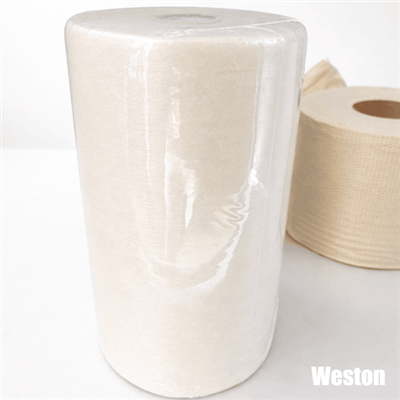
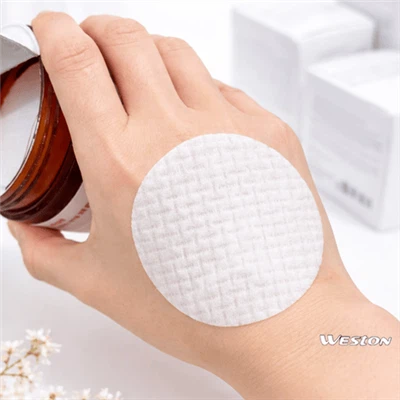
The Spunlace Nonwoven For Medical Tape Roll exemplifies another significant advantage: exceptional adaptability to various clinical applications. Spunlace technology employs high-pressure water jets to mechanically bond fibers, creating materials with customizable softness, absorbency, and strength characteristics. This versatility enables manufacturers to produce materials suitable for gentle wound dressings while simultaneously creating robust surgical gowns and protective equipment. The absorbency and breathability of spunlace fabrics make them ideal for both wound care applications and postoperative recovery scenarios.
Medical non-woven fabrics also demonstrate inherent antimicrobial and anti-corrosion properties that prove difficult for alternative materials to replicate. Their closed-structure production process eliminates the spaces where bacteria and fungi typically colonize, creating hostile environments for pathogenic organisms. Additionally, the filtration efficiency of medical-grade meltblown fabrics approaches 95-99% particle capture, providing healthcare workers with reliable protection against airborne pathogens.
The economic efficiency of medical non-woven fabrics cannot be overstated. The production process operates at dramatically lower costs than traditional textile manufacturing while generating superior performance characteristics. This cost advantage translates directly into improved healthcare economics, permitting facilities to allocate resources toward direct patient care rather than expensive textile processing and sterilization infrastructure.
Navigating the Limitations: Understanding Real-World Constraints
However, medical professionals must acknowledge that no material achieves perfection, and non-woven fabrics present legitimate limitations that warrant consideration. Despite their superior wear resistance compared to many traditional textiles, non-woven materials demonstrate vulnerability to directional tearing-perpendicular stress can cause unraveling that compromises barrier integrity. Healthcare workers must handle these materials with awareness, using proper techniques during application and removal to maintain protective function.
The Medical Grade PP Meltblown Fabric and other meltblown-containing composites face particular challenges in humid environments or during prolonged exposure to bodily fluids. High humidity and liquid exposure can degrade both the mechanical structure and electrostatic filtration performance that provides the material's barrier capability. Electret-treated fibers-those processed to carry a static charge that attracts particles-lose their electrical properties over time, reducing filtration efficiency with extended wear. This limitation requires healthcare facilities to implement proper storage protocols and rotation schedules to maintain optimal performance.
The disposable nature of medical non-woven fabrics, while offering significant infection prevention advantages, raises sustainability concerns. Single-use medical textiles generate substantial waste streams that create environmental challenges, particularly given the massive volume of medical non-woven products consumed globally. Though innovative recycling technologies are emerging, current disposal practices remain problematic from an environmental perspective.
Specialized Applications: Where Non-Woven Technology Excels
The versatility of medical non-woven fabrics enables their application across diverse healthcare scenarios. Maternity Pads After Birth represent a particularly important application where non-woven technology has transformed postpartum care. Composed of soft, gentle non-woven fabric layers combined with highly absorbent polymer cores, these products manage postpartum bleeding while preventing skin irritation and infection-a critical combination for maternal health during the vulnerable immediate postpartum period. The breathability of non-woven components prevents the maceration and yeast infections that result from prolonged moisture exposure, while superior absorbency management maintains skin integrity and patient dignity during recovery.
Medical tape applications similarly benefit from non-woven engineering. The Spunlace Nonwoven For Medical Tape Roll and similar products provide secure device fixation while maintaining air and vapor permeability-essential for long-term applications where impermeable adhesive tapes would create skin breakdown at the adhesion site. The elasticity of these materials accommodates body movement and dimensional changes, ensuring comfortable wear without restricting circulation or creating uncomfortable pulling sensations during removal.
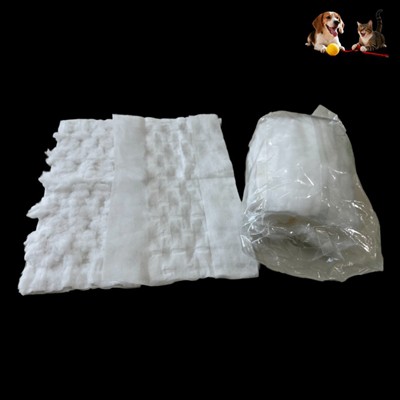
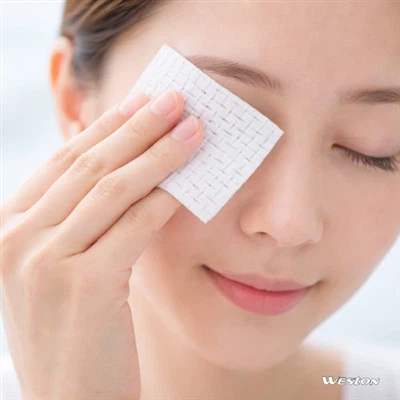
For direct wound management, Cotton Nonwoven Fabric For Medical Use blends the biocompatibility and absorbent properties of natural cotton fiber with the structural advantages of non-woven technology. This combination creates materials that promote healing while preventing bacterial contamination, facilitating drainage while preventing backflow that would create secondary infections. The softness and gentle nature of these materials prove particularly valuable for sensitive applications involving fragile tissue or patients with compromised skin barriers.
The Quality Assurance Framework
The clinical reliability of medical non-woven fabrics rests on rigorous quality standards and manufacturing controls. International standards like ISO 11607 establish performance requirements ensuring consistent material characteristics across manufacturers and production batches. These standards specify testing methodologies for filtration efficiency, barrier integrity, strength characteristics, and biocompatibility, ensuring that clinicians can depend on predictable performance regardless of product source.
Manufacturers implementing these standards conduct extensive pre-market validation and ongoing quality monitoring to ensure every product batch meets specified performance criteria. This commitment to consistency transforms medical non-woven fabrics from commodity materials into validated therapeutic and protective devices.

The Future of Medical Non-Woven Innovation
Medical non-woven technology continues evolving toward enhanced functionality, sustainability, and customization. Emerging innovations incorporate antimicrobial compounds derived from natural sources, creating inherent protection against pathogenic colonization without relying on synthetic chemical additives. Smart textiles integrating sensing capabilities promise to revolutionize how healthcare monitors device integrity and detects contamination in real time.
Sustainable material development emphasizes recycled polymers and renewable fiber sources, enabling medical-grade performance while reducing environmental footprint. These advances acknowledge the tension between single-use disposability and environmental stewardship, pursuing pathways that maintain infection prevention advantages while supporting global sustainability objectives.
The Invisible Foundation of Modern Medicine
Medical non-woven fabrics exemplify materials science applied to fundamental healthcare missions-protecting vulnerable patients, enabling complex procedures, and supporting recovery processes. From the surgical suite to the postpartum ward, from wound management to infection prevention, these engineered materials have become foundational to contemporary medical practice.
Manufacturers like Weston Nonwoven have dedicated over two decades to mastering advanced non-woven technologies specifically engineered for critical healthcare applications. Their commitment to rigorous quality standards and continuous innovation ensures that medical professionals access materials combining proven performance, consistent reliability, and continuous enhancement. Whether utilizing Spunlace Nonwoven For Medical Tape Roll, Maternity Pads After Birth, Cotton Nonwoven Fabric For Medical Use, or Medical Grade PP Meltblown Fabric, healthcare facilities depend on non-woven solutions that balance protection with patient comfort while maintaining the performance standards demanded by modern medicine.
For healthcare professionals and facilities seeking to evaluate medical-grade non-woven fabric solutions, comprehensive information and free sample kits are available through specialized manufacturers. Contact info@westonmanufacturing.com to explore how advanced non-woven technologies can optimize your facility's infection prevention protocols, patient care outcomes, and operational efficiency.
The evolution of medical non-woven fabrics continues advancing, promising future materials with enhanced functionality, improved sustainability, and capabilities yet to be imagined. What remains constant is their central role in the infrastructure supporting modern medicine's extraordinary achievements in protecting human health and enabling clinical innovation.