Forget the sterile, one-note stereotype of "hospital cloth"-medical grade fabric is a high-performance workhorse, engineered at the crossroads of textiles and healthcare. It's not just fabric that ends up in clinics; it's material designed with life-saving precision, where every thread serves a critical purpose-from protecting patients and caregivers to supporting the healing process. Far from boring or one-dimensional, it's a silent innovator that shapes how we receive care, often without us even noticing.
Core Definition: What Makes Fabric "Medical Grade"?
Medical grade fabric is defined by its purpose-built performance for medical environments, not just its presence in them. Unlike regular textiles, it's crafted to meet strict functional demands that directly impact health and safety. Every batch is designed to interact safely with the human body, withstand rigorous use, and deliver consistent results-no shortcuts, no "close enough."
It's not about fancy labels or vague claims; it's about intentionality. Whether used in a surgical setting, wound care, or daily patient comfort, medical grade fabric is engineered to solve specific problems: blocking contaminants, reducing irritation, supporting mobility, or aiding recovery. It's fabric with a mission-one that puts clinical needs above all else.
Non-Negotiable Properties: The Traits That Matter
What sets medical grade fabric apart are its non-negotiable, science-backed properties-each tailored to the high stakes of healthcare.
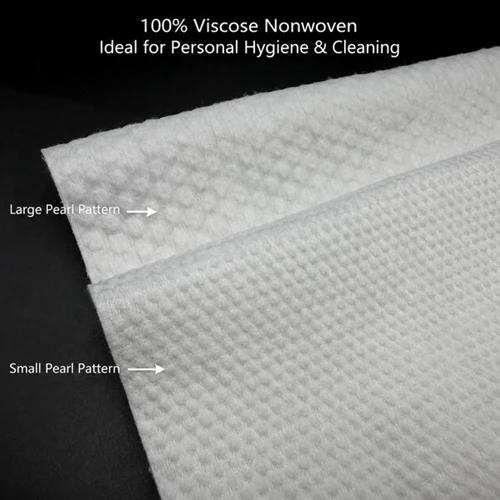
Biocompatibility: It must work with the human body, not against it. This means being hypoallergenic, non-irritating, and free of substances that could cause adverse reactions, even with prolonged skin contact. For products like Skin Color Spunlace Medical Tape, this biocompatibility is critical-adhering gently without damaging sensitive skin while staying secure during treatment.
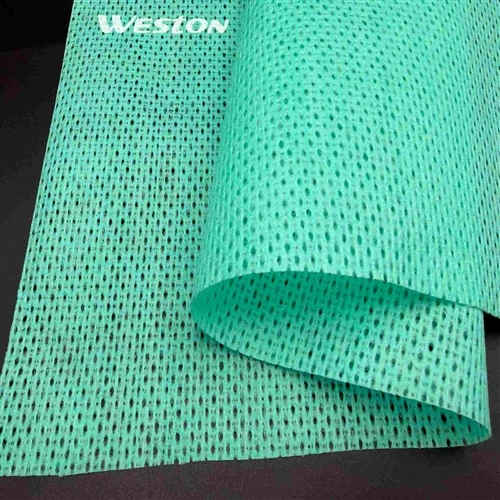
Targeted Protection: It acts as a barrier against fluids, microbes, or particles, without sacrificing other needs like breathability. Medical Grade PP Meltblown Fabric is a star here: its fine, porous structure blocks unwanted contaminants while letting air flow, making it ideal for protective gear that balances safety and comfort.
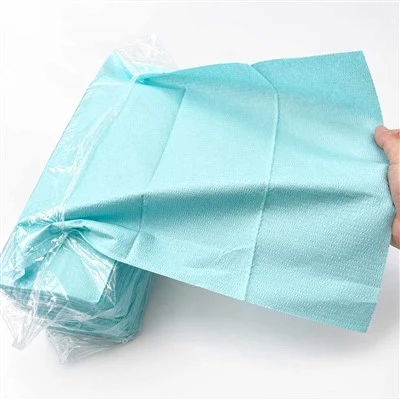
Durability Under Pressure: It must withstand harsh conditions-repeated sterilization, frequent washing, or the rigors of clinical use. Even disposable options like Disposable Medical Drapes are engineered to stay intact during procedures, preventing tears that could compromise sterility.
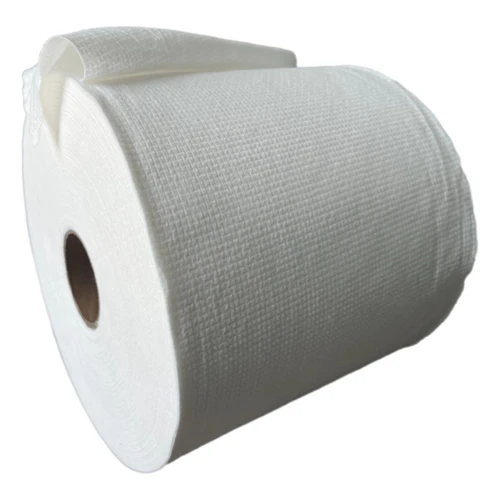
Tailored Functionality: It's not a one-size-fits-all solution. Medical Wrapping Nonwoven Fabric is designed for flexibility and conformability, wrapping securely around limbs or medical devices without restricting movement. Surgical fabrics prioritize barrier protection, while patient gowns focus on comfort and breathability.

Where You'll Find It: Beyond the Operating Room
Medical grade fabric is everywhere in healthcare-from the OR to at-home care-proving its versatility and necessity.
In surgical suites, Disposable Medical Drapes create a sterile field, isolating the procedure area to reduce infection risk. For wound care, Skin Color Spunlace Medical Tape secures dressings without causing discomfort, even on fragile skin. Medical Wrapping Nonwoven Fabric is used to wrap instruments, protect wounds during transport, or provide gentle support for sprains and strains.
Beyond clinical settings, it's integral to daily patient care: hospital gowns that balance modesty and mobility, bed linens that resist stains and microbes, and even protective gear for caregivers. Medical Grade PP Meltblown Fabric is also a key component in items like face masks and protective suits, acting as a first line of defense against cross-contamination.
Pros & Cons: A Balanced Look
Like any material, medical grade fabric has its strengths and tradeoffs-understanding both helps appreciate its value.
Pros
Health-Centric Design: Every property is optimized for safety, reducing infection risk and improving patient outcomes.
Versatility: It adapts to countless use cases, from life-saving surgeries to routine wound care.
Reliability: Consistent performance ensures healthcare providers can trust it in high-pressure situations.
Cons
Stringent Production Requirements: Manufacturing demands precision and specialized equipment, leading to higher development costs.
Disposability Challenges: Some single-use options (like certain Disposable Medical Drapes) contribute to waste, though innovations in biodegradable materials are addressing this.
Specialized Care: Reusable medical grade fabrics require strict cleaning and sterilization protocols to maintain their performance.
The Future: Evolving With Healthcare
Medical grade fabric isn't stuck in the past-it's evolving to meet the needs of modern healthcare. Innovations are making it smarter, more sustainable, and more accessible.
Sustainable options are on the rise, with biodegradable nonwovens that reduce environmental impact without compromising performance. Smart fabrics are being developed to monitor vital signs or alert caregivers to changes in a patient's condition, blending textile technology with digital health. Even everyday applications are improving: Skin Color Spunlace Medical Tape now offers better adhesion without residue, while Medical Wrapping Nonwoven Fabric incorporates moisture-wicking properties to keep wounds dry.
As healthcare shifts toward more personalized, at-home care, medical grade fabric is following-becoming softer, more flexible, and better suited for long-term use. It's no longer just a "hospital material"; it's a vital part of how we heal, wherever that may be.
Medical grade fabric is the unsung hero of healthcare-strong enough for clinical demands, gentle enough for sensitive skin, and innovative enough to keep up with the future of medicine. For a free sample, reach out to info@westonmanufacturing.com.