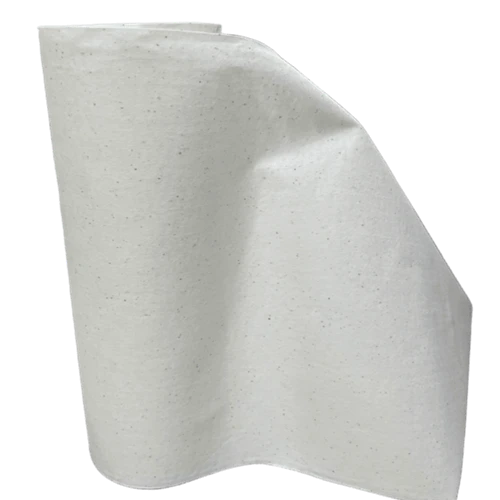
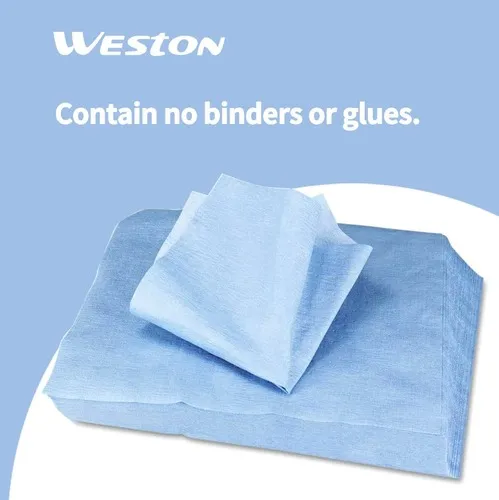
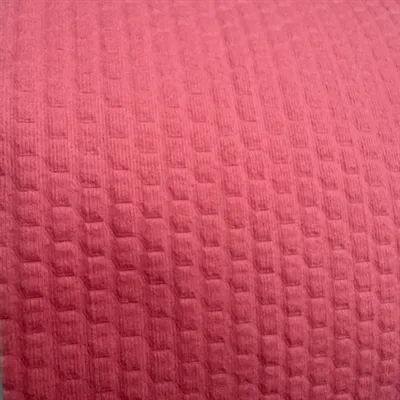
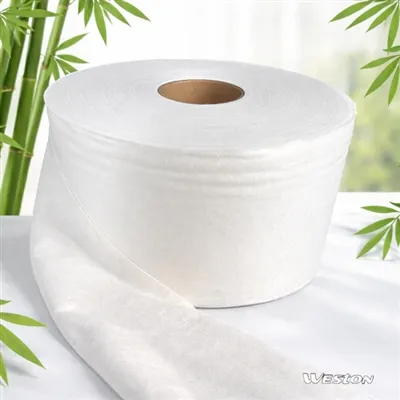
Non-woven fabric is a type of textile material that is produced by bonding or interlocking fibers together rather than weaving or knitting them together. This bonding process can be achieved through various methods, including mechanical, chemical, thermal, or solvent bonding. Non-woven fabrics are made from fibers that can be natural (such as cotton, wool, or silk) or synthetic (such as polyester, polypropylene, or nylon).
There are several characteristics that define non-woven fabrics:
No Yarns or Threads: Unlike woven fabrics, which are made by interlacing yarns or threads, non-woven fabrics are made directly from fibers that are bonded together.
Random Fiber Orientation: The fibers in non-woven fabrics are typically arranged randomly or in a specific orientation to achieve desired properties such as strength, absorbency, or filtration.
Porosity: Non-woven fabrics often have a porous structure that allows air, liquids, or gases to pass through. The porosity of non-woven fabrics can be controlled during the manufacturing process to achieve specific levels of breathability or filtration.
Flexibility and Drape: Non-woven fabrics can vary in flexibility and drape depending on the type and arrangement of fibers used. Some non-woven fabrics are stiff and rigid, while others are soft and flexible.
Variety of Uses: Non-woven fabrics are used in a wide range of applications, including medical and surgical products (such as surgical masks and gowns), hygiene products (such as diapers and wipes), filtration media, automotive interiors, geotextiles, and construction materials.
Examples of non-woven fabrics include:
Spunbond non-woven fabric: Produced by extruding continuous filaments of synthetic fibers and then bonding them together.
Meltblown non-woven fabric: Produced by extruding molten polymer through fine nozzles and then blowing the fibers onto a collector screen to form a random web.
Needle-punched non-woven fabric: Produced by mechanically entangling fibers with barbed needles.
Wet-laid non-woven fabric: Produced by suspending fibers in water, forming a web on a screen, and then bonding the fibers together with the addition of a binder.
Non-woven fabrics offer advantages such as cost-effectiveness, versatility, and the ability to tailor properties to specific applications. They are widely used in various industries and continue to find new applications as technology advances.