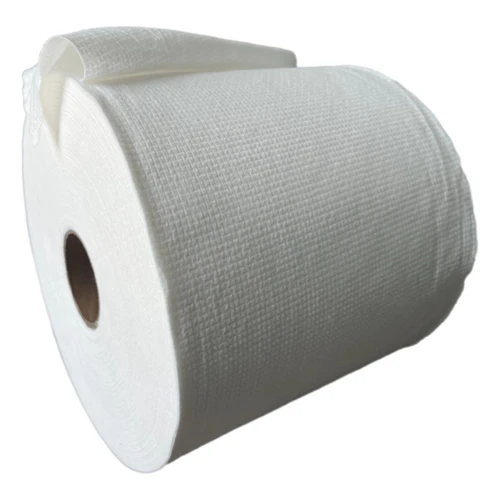
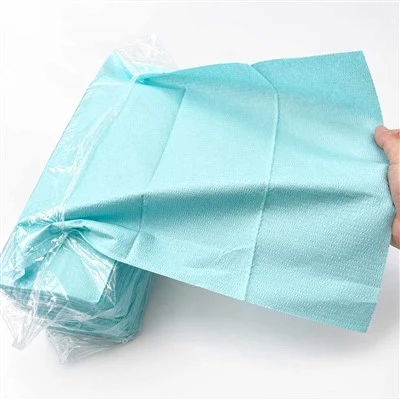
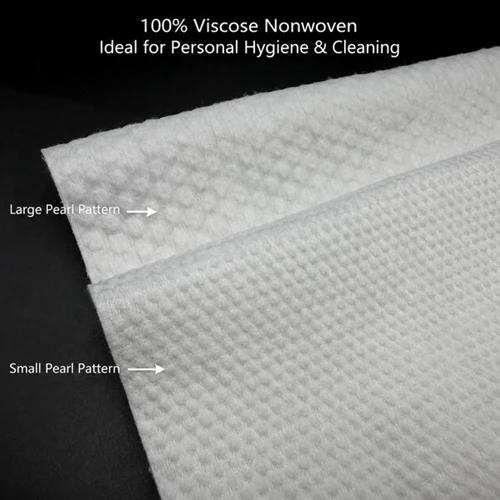
Non-woven fabrics are a class of textiles created without the traditional weaving or knitting processes. Instead, they are formed by bonding fibers directly into a sheet. This deceptively simple idea leads to a wide range of properties, textures, and applications, making non-wovens a backbone of modern everyday products-from hygiene to filtration to geotextiles.
What This Fabric Is and Isn't
What it is: A sheet-like material produced from fibers bonded together through mechanical, chemical, or thermal methods, with no interlacing of threads.
What it isn't: It is not woven (no warp and weft threads) and not knitted (no loops interlocked). The bonding step is what holds the structure together.
How It's Made
Fiber origin
Staple fibers: Short fibers, often blended to tailor hand feel and performance.
Continuous filaments: Long, thin strands that can be extruded and bonded to form a sheet.
Bonding methods
Mechanical bonding: Physical entanglement or interlocking of fibers (e.g., needle punching, hydroentangling).
Chemical bonding: Adhesives or resins bind fibers together.
Thermal bonding: Heat fuses fibers, often used with thermoplastic fibers to create a stable sheet.
Resulting textures and strengths
The chosen bonding method and fiber combination determine porosity, stiffness, absorbency, and durability.
Multilayer structures and coatings expand the design space, enabling specific performance targets.
Key Properties and Trade-Offs
Porosity and air flow: Non-wovens can be very breathable or highly barrier, depending on fiber type and bonding.
Strength-to-weight: Often high for certain non-wovens, enabling light yet sturdy materials.
Absorbency and liquid management: Tunable through fiber selection and processing; essential for wipes and medical products.
Drapability and stiffness: Influenced by basis weight, bonding, and layer composition.
Flammability considerations: Varies with fiber chemistry and finishing treatments.
Cost and scalability: High-volume production enables competitive pricing, though performance choices affect cost.
Environmental footprint: Recycling, compostability, recycled content, and end-of-life options depend on materials and finishes.

Major Categories and Typical Uses
Subtypes to know: Spunbond, meltblown, and airlaid represent common non-woven families, each with distinct properties.
Applications by property profile
Medical and hygiene: Filtration media, disposable gowns, wipes, and absorbent pads.
Geotextiles: Soil stabilization, erosion control, and drainage layers.
Packaging and consumer products: Light-weight wrapping, disposable bags, and hygiene wipes.
Filtration and automotive: Particles capture and interior components with soft-touch surfaces.
Material selection drives performance goals: For example, higher filtration efficiency often means finer fibers and different bonding, which can trade off strength or softness.
Strengths, Limitations, and Design Levers
Strengths
Versatility: A single family of materials can be tuned for many tasks.
Lightness and flexibility: Useful in disposable or portable products.
Cost-effectiveness at scale: Efficient production pathways enable low unit costs.
Limitations
Durability under mechanical stress can lag behind woven fabrics for some applications.
Cleanliness and process sensitivity: Manufacturing and finishing steps must be tightly controlled.
How designers overcome limitations
Multilayer configurations: Combine a high-strength layer with a high-absorbency layer.
Coatings and finishes: Add barrier properties, antimicrobial features, or hydrophobic/hydrophilic balance.
Tailored fiber blends: Blend natural and synthetic fibers to balance stiffness, feel, and performance.
Innovations and Future Directions
Bonding technology advances: New bonding chemistries and thermally bonded architectures improve performance and sustainability.
Recycled and bio-based content: Increased use of recycled fibers and bio-based polymers to reduce environmental impact.
Functional non-wovens: Antimicrobial finishes, smart textiles with responsive behaviors, and advanced filtration media.
Circular economy approaches: Recycling streams and take-back programs are being developed to close material loops.
Takeaway
100% non-woven fabric is a broad category defined by its formation process rather than a single material. By choosing how fibers are bonded and what fibers are used, engineers tailor texture, strength, porosity, and application suitability.
Product Recommendations
At the end of the article, we can include product recommendations from Weston Nonwoven that align with the topic. Here's a concise product-blurb block highlighting relevant capabilities:
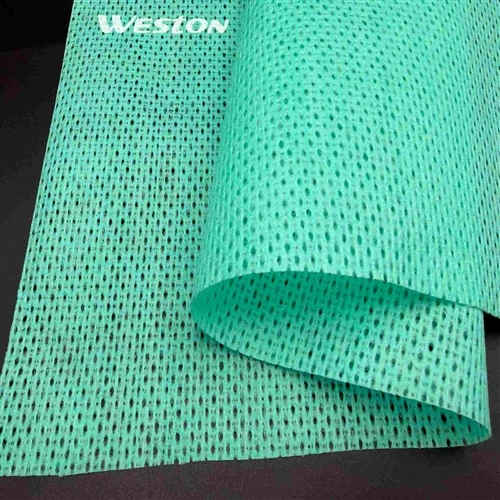
100% Viscose Check Printed Cloth
Free samples and customization options (weight, color, shape, and other specifications) via info@westonmanufacturing.com