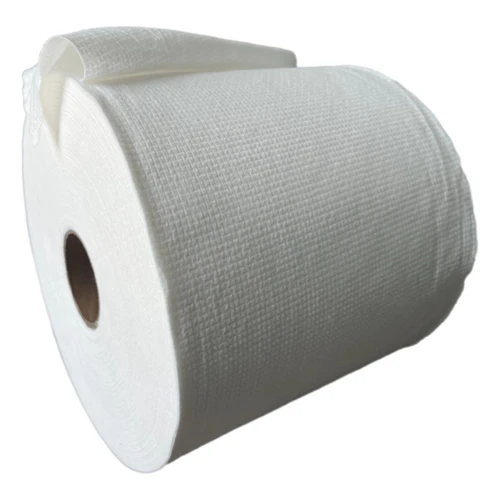
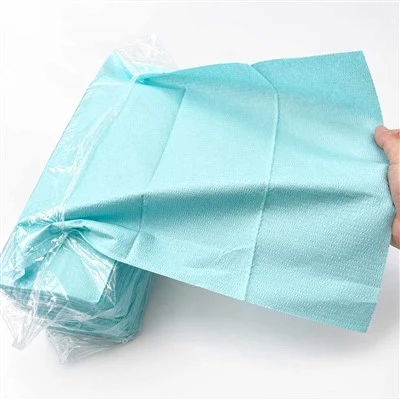
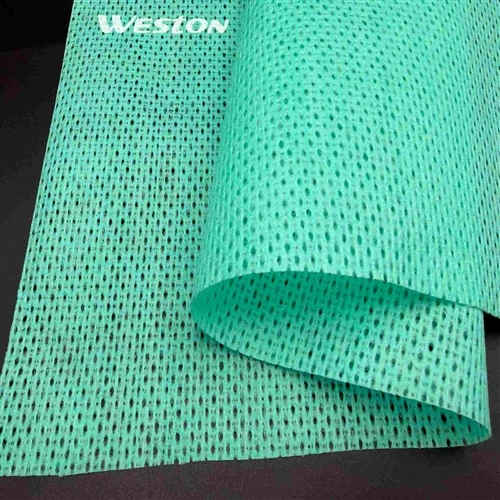
Fabrics that do not decompose easily or have a very slow decomposition rate are often synthetic materials made from polymers derived from petrochemicals. These materials are not easily broken down by natural processes, such as microbial activity, sunlight, or moisture. Common examples of fabrics that do not decompose readily include:
Polyester: Polyester is a synthetic fiber made from polyethylene terephthalate (PET), which is derived from petroleum. It is known for its durability, resistance to wrinkles, and slow decomposition rate.
Nylon: Nylon is another synthetic fiber made from petrochemicals. It is strong, lightweight, and has low biodegradability.
Acrylic: Acrylic fibers are synthetic and do not decompose easily. Acrylic is often used in clothing, blankets, and outdoor fabrics.
Polypropylene: Polypropylene is a thermoplastic polymer used in various applications, including textiles. It is resistant to many chemical solvents and has a low decomposition rate.
Spandex/Elastane: Spandex, also known as elastane, is a synthetic fiber commonly used in stretchable fabrics. It has low biodegradability.
Polyethylene: While not typically used in clothing, polyethylene is a widely used plastic material that is highly resistant to decomposition.
These synthetic fabrics contribute to environmental concerns, especially when they end up in landfills or natural environments. Unlike natural fibers such as cotton or wool, which can decompose more easily, synthetic fabrics persist in the environment for extended periods. Efforts are being made to develop more sustainable alternatives, such as bio-based and biodegradable synthetic fibers or increased recycling of textiles to minimize the environmental impact of these materials.