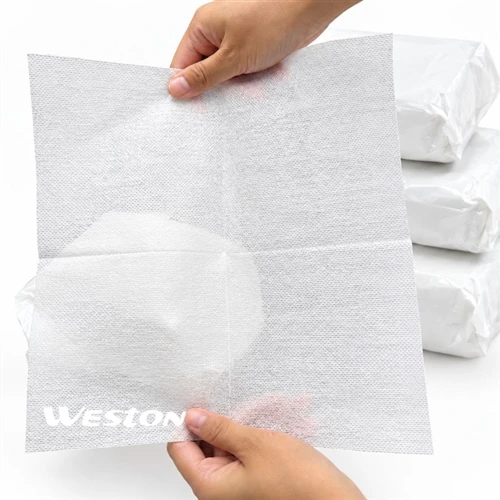
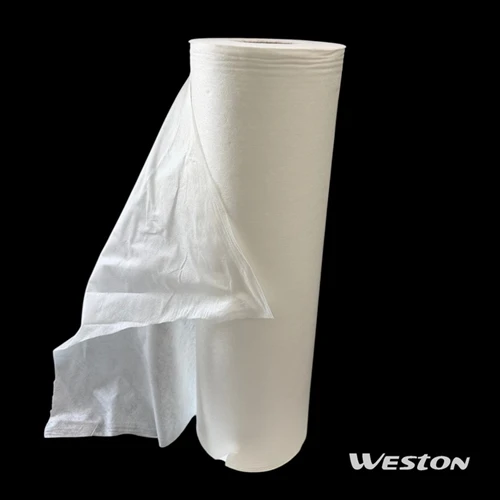
"Spunbonded" refers to a process used in the manufacturing of nonwoven fabrics. The term is derived from the combination of "spun" and "bonded," reflecting the key steps involved in the production of these fabrics.
Here's a breakdown of the term "spunbonded" and the associated manufacturing process:
Spun:
Spinning Process: The term "spun" refers to the spinning process used in the production of nonwoven fabrics. In this process, continuous filaments of synthetic polymers, such as polypropylene or polyester, are extruded through a spinneret.
Bonded:
Bonding Process: The "bonded" part of the term indicates the bonding of these continuous filaments to form a fabric. After extrusion, the filaments are laid down onto a moving conveyor belt or forming surface. The bonding is typically achieved through the application of heat and pressure.
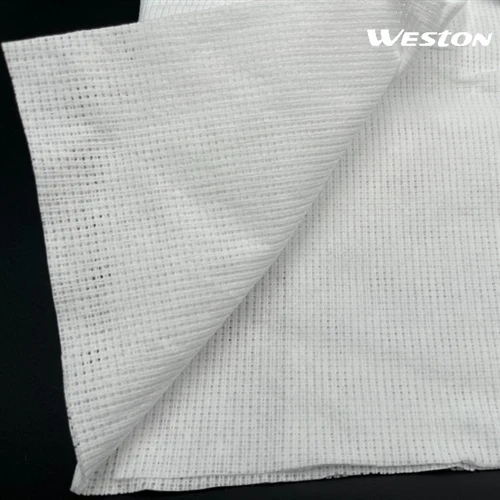
Therefore, "spunbonded" describes a nonwoven fabric produced by extruding continuous filaments and bonding them together without the need for traditional weaving or knitting processes. The result is a fabric with a web-like structure composed of randomly laid filaments that are mechanically bonded to each other.
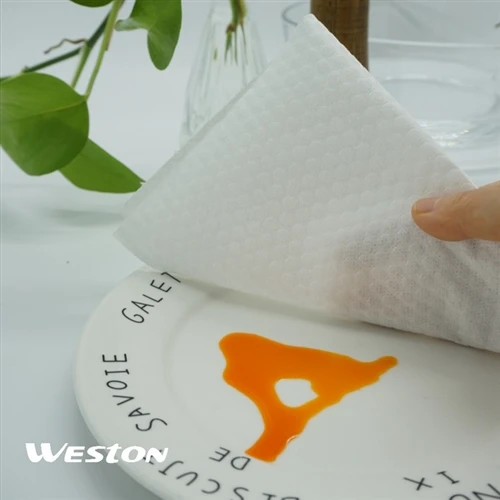
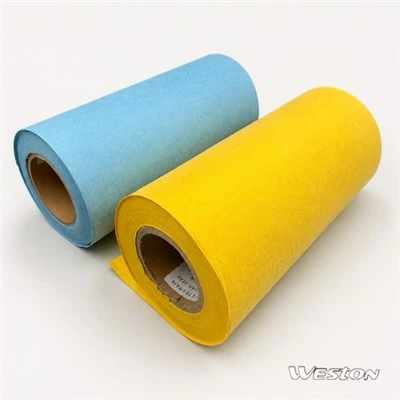
Spunbonded fabrics are known for their strength, durability, and breathability. They find applications in various industries, including hygiene products (like diapers and wipes), agriculture covers, industrial products, and packaging materials.