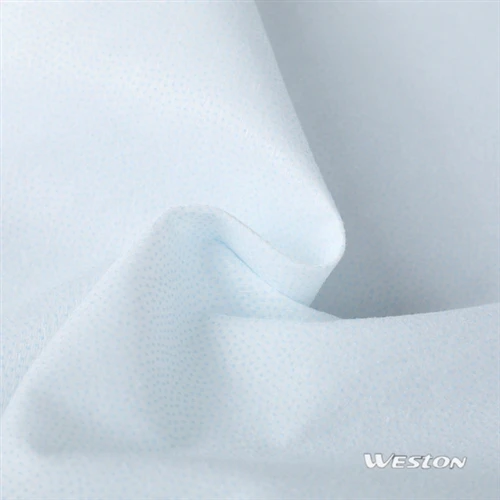
What Are Some Examples of Nonwoven Fabric?
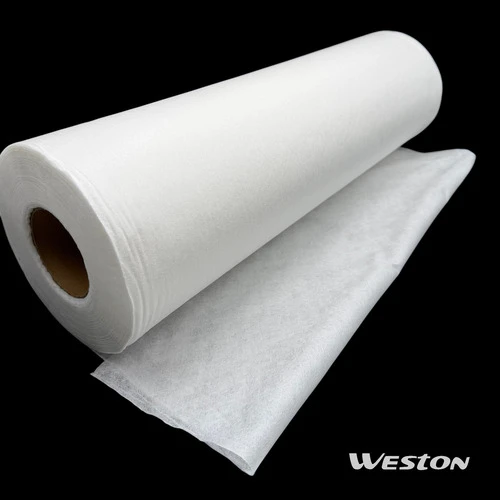
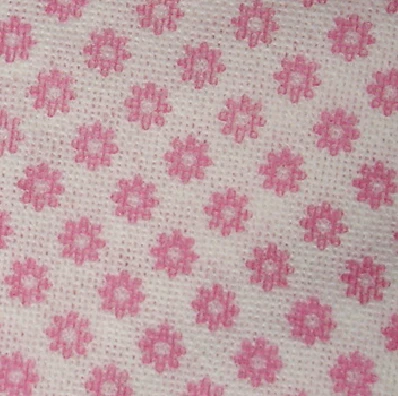
Nonwoven fabrics are engineered materials made by bonding or interlocking fibers without traditional weaving or knitting. Thanks to their cost effective production, flexible performance design, and ability to serve a wide range of industries, nonwoven fabrics have become essential in modern manufacturing. Below are common examples of nonwoven fabrics and how they are used in real-world applications.
Disposable Medical Apparel

Nonwoven fabrics play a critical role in healthcare due to their hygiene, barrier protection, and disposability.
Surgical Gowns
Nonwoven fabrics used in surgical gowns are lightweight, breathable, and fluid-resistant. They help create a strong protective barrier against blood, bodily fluids, and microorganisms while maintaining wearer comfort. Some advanced medical nonwovens also incorporate flame retardancy and thermal insulation properties for high-risk environments.
Caps and Face Masks
Nonwoven face masks and caps are designed to limit cross-contamination in hospitals and laboratories. Meltblown and spunbond nonwoven fabrics are widely used for their filtration efficiency, breathability, and reliable particle capture.
Shoe Covers
Disposable nonwoven shoe covers provide an effective barrier against dirt, liquids, and microbes. They are commonly used in hospitals, cleanrooms, and pharmaceutical facilities where cleanliness is critical.
Wipes and Towels
The softness, absorbency, and durability of nonwoven fabrics make them ideal for wiping applications.
Personal Hygiene Wipes
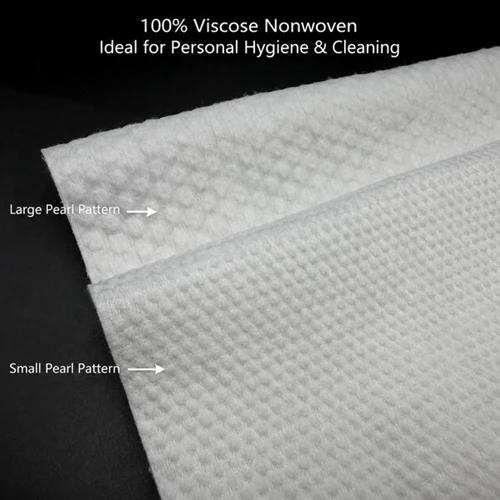
Nonwoven wipes are used in baby wipes, facial wipes, makeup remover wipes, and feminine hygiene products. Their gentle texture and excellent liquid retention make them safe for sensitive skin while remaining cost effective for large-scale production.
Household Cleaning Wipes
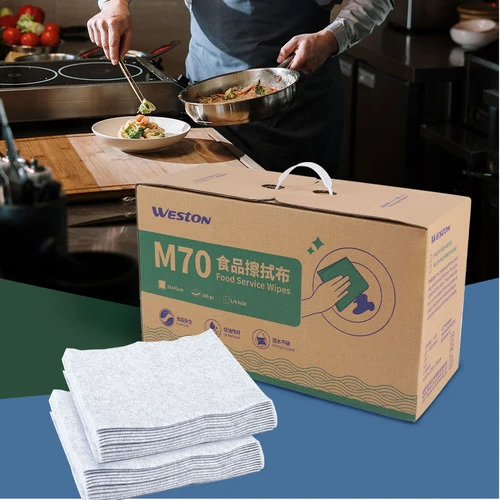
Nonwoven cleaning wipes are widely used for kitchens, bathrooms, and household surfaces. They are engineered to create a strong wiping structure that traps dust, grease, and stains efficiently.
Industrial Wipes
Industrial nonwoven wipes are designed for heavy-duty cleaning tasks such as equipment maintenance, oil absorption, and solvent wiping. Their high tensile strength and chemical resistance ensure durability in demanding environments.
Disposable Diaper topsheets and Incontinence Products
Nonwoven fabrics are fundamental components in absorbent hygiene products.
Disposable Diaper topsheets
Disposable diapers rely on nonwoven fabrics for topsheets, back sheets, and acquisition layers. These materials provide softness, breathability, and moisture control while maintaining structural integrity.
Adult Diaper topsheets and Incontinence Pads
Nonwoven materials in adult incontinence products deliver comfort, odor control, and leakage protection. Their breathable structure helps reduce skin irritation during extended wear.
Filtration Media
Nonwoven fabrics are widely used in filtration due to their customizable fiber structures.
HVAC Filters
Nonwoven HVAC filters capture dust, allergens, and airborne contaminants to improve indoor air quality. Certain nonwoven structures also offer thermal insulation, contributing to energy efficiency in climate control systems.
Automotive Filters
Automotive air and cabin filters made from nonwoven fabrics remove pollutants while resisting heat, oils, and chemicals. Their durability ensures long service life under harsh conditions.

Geotextiles
Nonwoven geotextiles are essential in civil engineering and environmental protection.
Erosion Control
Nonwoven geotextiles stabilize soil on slopes and construction sites. Their permeability allows water flow while preventing soil displacement, helping infrastructure projects remain durable and sustainable.
Drainage Systems
In drainage applications, nonwoven fabrics filter fine particles while maintaining consistent water flow. This prevents clogging and extends the lifespan of drainage systems.
Additional Everyday Applications
Beyond industrial and medical uses, nonwoven fabrics appear in many daily products:
Tea bags, where nonwoven materials allow water flow while retaining tea leaves
Thermal and acoustic insulation materials
Flame-retardant protective layers in construction and transportation
Why Nonwoven Fabrics Matter
From face masks and disposable diaper topsheets to tea bag materials, filters, and geotextiles, nonwoven fabrics support a wide range of industries. Their adaptability, cost effective manufacturing, and ability to integrate features such as flame retardancy, filtration, and thermal insulation make them indispensable in modern life.
As technology advances, nonwoven fabrics continue to evolve-becoming stronger, safer, and more sustainable across global markets.