Nonwoven fabrics are classified into three main types based on their manufacturing processes:
Spunbond Nonwovens: Spunbond nonwovens are produced by extruding continuous filaments of synthetic polymers such as polypropylene, polyester, or polyethylene. These filaments are then laid down onto a moving belt or conveyor in a random arrangement and bonded together using heat, pressure, or chemicals. Spunbond nonwovens are known for their strength, durability, and dimensional stability. They are commonly used in applications requiring high tensile strength and barrier properties, such as medical protective apparel, surgical drapes, and filtration media.
Meltblown Nonwovens: Meltblown nonwovens are manufactured by extruding molten thermoplastic polymers through fine nozzles or spinnerets to form microfibers. These microfibers are then collected on a moving conveyor or drum and bonded together using heat, pressure, or air jets. Meltblown nonwovens are known for their fine fiber diameter, high surface area, and filtration efficiency. They are commonly used as filtration media in air and liquid filtration applications, as well as in medical face masks, respirators, and surgical gowns.
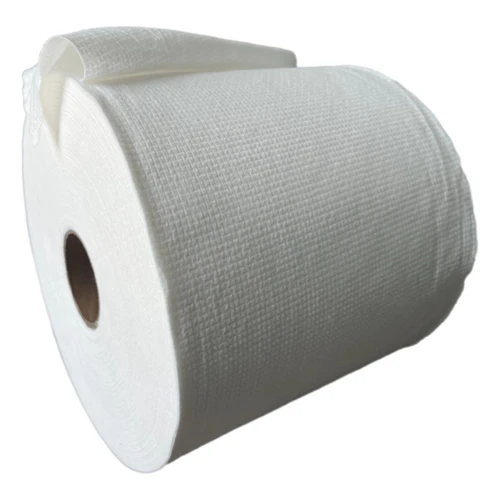
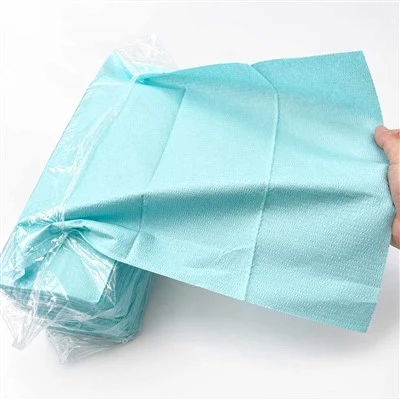
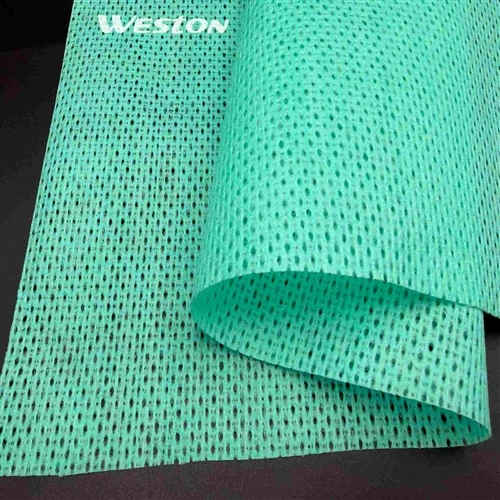
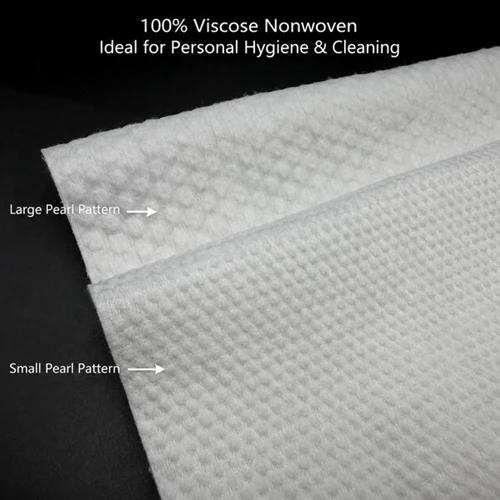
Spunlace Nonwovens: Spunlace nonwovens, also known as hydroentangled or spunlaced fabrics, are produced by entangling fibers together using high-pressure water jets. This process creates a fabric with a soft, cloth-like texture and good drapeability. Spunlace nonwovens are often made from natural or synthetic fibers such as cotton, viscose, polyester, or blends thereof. They are commonly used in medical wipes, surgical dressings, personal care products, and hygiene applications due to their softness, absorbency, and strength.