An Essential Guide to Understanding Patient Wipes
Imagine a nurse rushing to help a patient who can't easily reach the sink, or a family caregiver tending to an elderly loved one at home after a long day. When a full bath or even a quick handwash feels impossible, patient wipes step in. But let's be real – they're not just "fancy wet towels." These little cloths do more than clean, and if you've ever wondered how they're different from the wipes in your grocery cart, you're in the right place. We're breaking this down simply: what patient wipes are, why they matter, and even how to pick the right ones – no confusing jargon, just straight talk.

The Basics – What Are Patient Wipes, Anyway?
Let's start with the obvious: Patient wipes are pre-moistened, disposable cloths made for people who need extra care. Think hospital patients recovering from surgery, seniors living at home with limited mobility, or anyone who can't handle a traditional wash on their own.
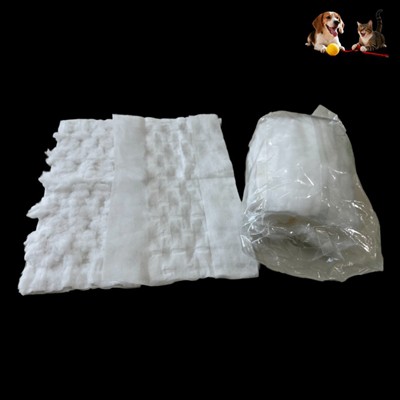
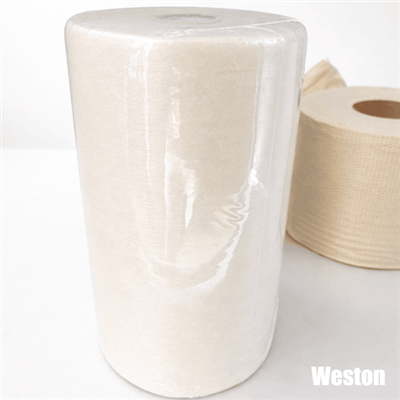
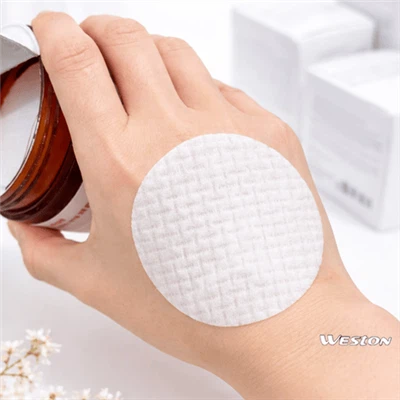
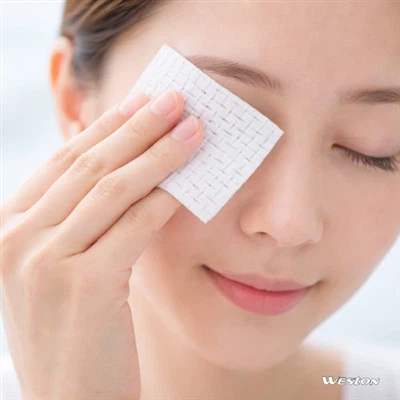
But here's the key: They're not the same as baby wipes or makeup removers. Those are made for quick, light use – patient wipes are built tougher (but gentler) for daily, necessary care. Most are pH-balanced to match sensitive skin (no more red, dry patches!) and free of harsh chemicals like alcohol or strong fragrances. For example, products like Weston Nonwoven's Pre-Moistened Wipes For Patient Bedside Cleaning are designed for easy use next to hospital or home beds. They're made with 80-gram medical-grade nonwoven fabric, thick enough to clean without tearing, but soft enough for delicate areas like the face or neck. Unlike cheaper wipes that leave a sticky residue, these use a purified water base with a hint of panthenol (vitamin B5) – so skin feels fresh, not greasy, after wiping.
At their core, patient wipes have one big job: Keep skin clean to cut down on infections (like bedsores or yeast growth) and help people stay comfortable when a sink or tub feels out of reach. They're a backup, not a replacement – but a pretty essential one.
The Types – Not All Patient Wipes Are the Same (Here's How to Tell)
Walk down the care aisle, and you'll see a dozen packs – how do you choose? Let's sort them by what they actually do, not just their marketing:
Daily Clean Wipes
These are your "everyday" option. Use them for hands, faces, or small body areas (like arms or legs). They're mild, no frills, and great for quick refreshes – think post-meal cleanups or after sitting in a chair for hours.
Incontinence Care Wipes
Thicker and more absorbent than daily wipes, these often have added barrier creams (like zinc oxide) to protect skin from irritation. If someone deals with incontinence, these prevent redness and chafing – a small detail that makes a huge difference.
Antibacterial/Disinfecting Wipes
Here's where you need to be careful. These are for small skin spots (like around a bandage) or surfaces (doorknobs, bed rails) – not full-body use. They can dry out skin fast if overused. For reliable options, Weston Nonwoven's Hospital-Grade Disinfecting Wipes stand out: they're EPA-registered to kill 99.9% of common pathogens (including MRSA and C. diff, two big concerns in healthcare settings) but skip harsh bleach or high-alcohol formulas. Instead, they use benzalkonium chloride (a gentle, skin-friendly disinfectant) plus aloe vera – so even when used on sensitive skin (like around a catheter site), they don't cause stinging or dryness.
Pro tip: Always check the label for "hypoallergenic" and "pH-balanced." These aren't buzzwords – they mean the wipe won't irritate skin that's already sensitive from illness or age. Weston's wipes, for example, go through three rounds of dermatological testing to ensure they're safe for long-term use, which is a big plus for anyone using them daily.

Why They Matter – The Good (and the Not-So-Good)
Let's keep it honest: Patient wipes have big benefits, but they're not perfect. Here's the full picture:
The Pros
Health First: In hospitals or care homes, clean skin = fewer infections. Patient wipes make it easy to wipe down hands, underarms, or skin folds regularly – even for someone who can't move much. That means lower risk of bedsores or yeast infections, which can slow recovery. Weston's wipes, with their durable fabric and gentle formulas, make this routine less of a hassle (no more tearing mid-wipe!) and safer for fragile skin.
Dignity Counts: Imagine having to ask for help with a basic wash every time. Patient wipes let people take small steps toward independence – wiping their own hands or face, for example. That's not just convenience; that's dignity. Weston's Pre-Moistened Wipes For Patient Bedside Cleaning even come in a resealable, compact pack – easy to keep on a nightstand, so someone can grab one without asking for help.
Caregivers Win Too: If you're a caregiver, you know the to-do list never ends. Pre-moistened wipes mean no mixing water, no carrying heavy basins, no messy towels. Grab one, use it, toss it – it saves time and stress on tough days. Weston's wipes also have a longer shelf life (two years unopened) than many competitors, so you don't have to worry about them drying out before you use the whole pack.
The Cons
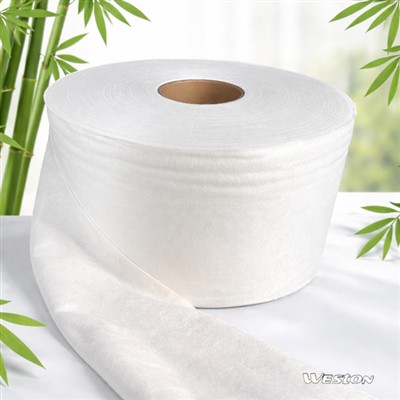
Single-Use Waste: Most patient wipes are made with plastic, which isn't great for the environment. The good news? Brands like Weston Nonwoven are fixing this – their newest wipe line uses plant-based nonwoven fabric (made from corn starch) that's compostable. Toss them in a home compost bin, and they break down in three months – no microplastics left behind. It's a small change, but it adds up for care homes or families using dozens of wipes a week.
Not a Bath Replacement: Some people think wipes can replace a shower or bath – they can't. Wipes lift surface dirt, but they can't deep-clean like soap and water. Use them when a bath isn't possible – not instead of one.
Chemical Risks (If You Pick Wrong): Cheap wipes might have harsh ingredients that irritate skin. Stick to trusted brands like Weston, and always test a small patch first – especially if someone has eczema or sensitive skin.
Myths to Stop Believing
Let's clear up some common mix-ups:
Myth 1: "They're just as good as a bath."
Reality: Nope. Wipes lift surface dirt, but they can't deep-clean like soap and water. Use them when a bath isn't possible – not instead of one.
Myth 2: "All antibacterial wipes are safe for skin."
Reality: Wrong. Some have strong chemicals (like bleach or high alcohol content) that can burn or dry out skin. Stick to skin-specific antibacterial wipes, and only use them when you need to kill germs. Weston's Hospital-Grade Disinfecting Wipes are a safe bet here – they're made for skin contact (in small areas) and tested to be gentle, even for kids or seniors.
Myth 3: "They're all the same – just buy the cheapest."
Reality: Cheap wipes tear easily, dry out fast, or have harsh fragrances. Investing in a quality wipe (like Weston's) means less waste (no tossing half-used, dried-out packs) and happier skin.
Final Thoughts – How to Pick (and Try) the Right Ones
At the end of the day, patient wipes are a small tool with a big job: keeping people clean, healthy, and dignified. If you're buying them for yourself or a loved one, start with these steps:
Think about use: Daily clean? Incontinence care? Disinfecting? Pick the type that matches.
Check the label: Hypoallergenic, pH-balanced, no harsh chemicals – and if you need disinfecting, look for EPA registration.
Test first: Wipe a small area (like the inside of the wrist) and wait 24 hours – if no redness, you're good.
If you want to try Weston Nonwoven's reliable options – like their Pre-Moistened Wipes For Patient Bedside Cleaning or Hospital-Grade Disinfecting Wipes – they offer free samples. Just reach out to info@westonmanufacturing.com to request one – it's an easy way to see what works before buying a full pack.
Next time you spot a pack of patient wipes, you'll know they're more than just wet cloths. They're a little lifeline for comfort, health, and independence – and the right ones (like Weston's) make that lifeline even stronger.