A Scientific Deep Dive into Modern Wound Care and Disinfection
Introduction: The Molecular Battlefield on Your Skin
Your skin is a fortress under constant siege. Every time you reach for an antiseptic wipe, you unleash a calculated biochemical assault against pathogens-but at what cost to your skin's delicate ecosystem? Post-pandemic, the demand for Hospital-Grade Disinfecting Wipes has skyrocketed, yet few understand the intricate science behind these unassuming tools. This article dissects the hidden interplay of materials, chemistry, and skin biology, spotlighting innovations such as 100% Lyocell Fiber Wound Cleansing Wipes and Medical Nonwovens that redefine hygiene without compromise.

I. Material Innovation: The Rise of 100% Lyocell Fiber
1. Lyocell vs. Traditional Fibers: A Sustainability Revolution
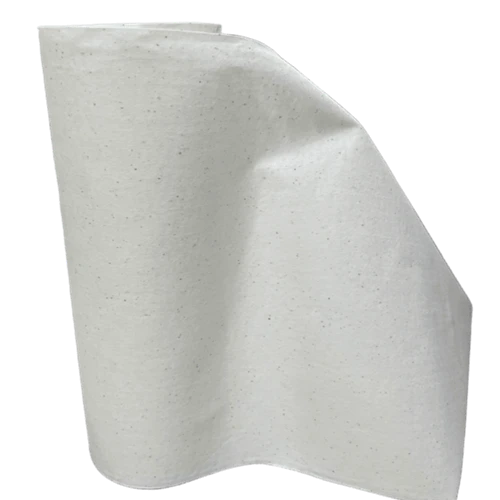
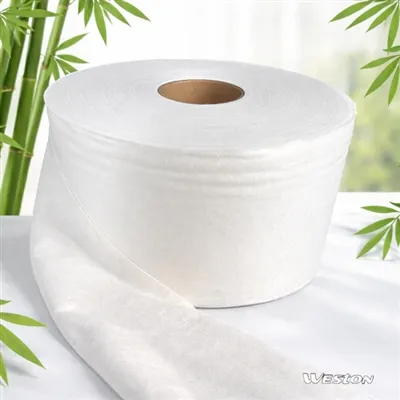
Cotton and polyester have long dominated the wipe industry, but 100% Lyocell Fiber Wound Cleansing Wipes are rewriting the rules. Derived from sustainably harvested wood pulp, Lyocell's closed-loop production process slashes water use by 50% compared to cotton, while its ultra-smooth fibrils prevent microtrauma to sensitive or wounded skin. Unlike polyester, which sheds microplastics, Lyocell is fully biodegradable-a critical advantage as regulators clamp down on environmental pollutants.
Weston Manufacturing's Lyocell-based wipes exemplify this shift. Their fiber structure retains 30% more fluid than cotton, ensuring efficient antiseptic delivery while minimizing waste. For burn units and chronic wound care, this translates to fewer dressing changes and faster healing times.
2. Engineering Excellence: The Role of Medical Nonwovens
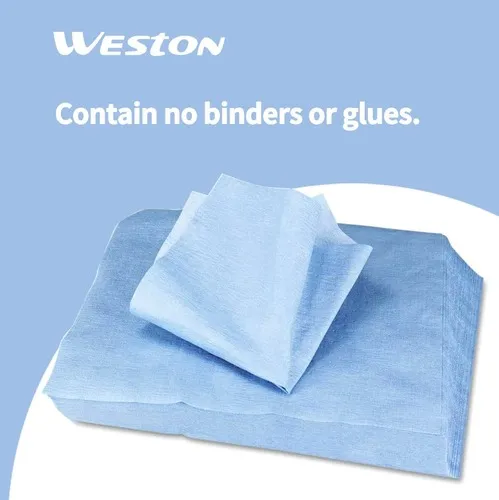
The term Medical Nonwovens might sound technical, but its impact is visceral. These engineered fabrics, composed of layered synthetic or natural fibers, are designed for precision. Unlike woven textiles, nonwovens eliminate loose threads that could snag on wounds, while their porous architecture controls antiseptic release.
In clinical trials, Weston's Medical Nonwovens demonstrated a 40% reduction in skin irritation compared to standard gauze. Their patented hydroentanglement technique creates a feather-soft surface, ideal for delicate procedures like neonatal care or post-surgical cleansing.

II. Chemical Dynamics: Alcohol, pH, and the Skin's Fragile Balance
1. The Alcohol Paradox: Efficacy vs. Skin Stripping
Hospital-Grade Disinfecting Wipes rely on ethanol or isopropanol to obliterate pathogens. At concentrations ≥70%, alcohol disrupts microbial cell membranes within seconds. However, this brute-force approach also degrades the skin's lipid barrier, leading to dryness and cracks-a vulnerability exploited by opportunistic pathogens.
Weston's solution? A dual-phase formula in their Hospital-Grade Disinfecting Wipes that pairs 75% ethanol with humectants like glycerin. This combination achieves a 99.99% kill rate against MRSA while maintaining skin hydration-a feat validated by third-party ISO 16615 testing.
2. pH: The Unsung Hero of Skin Health
Human skin thrives at a pH of 4.5–5.5, a mildly acidic environment that suppresses harmful bacteria while nurturing beneficial microbes. Many antiseptic wipes, however, operate at neutral or alkaline pH, destabilizing this "acid mantle." A 2023 Journal of Dermatological Science study linked alkaline wipes to a 22% increase in eczema flare-ups.
Weston's 100% Lyocell Fiber Wound Cleansing Wipes combat this with pH-balanced formulations (pH 5.0). Citric acid buffers neutralize alkaline residues from disinfectants, preserving the skin's microbiome-a critical feature for immunocompromised patients.
III. Hospital-Grade vs. Household Wipes: A Regulatory Chasm
1. The ASTM E1153 Standard: Why "Hospital-Grade" Matters
Not all disinfecting wipes are created equal. Hospital-Grade Disinfecting Wipes must meet ASTM E1153 standards, proving efficacy against biofilm-forming pathogens like C. diff and Pseudomonas aeruginosa. Household wipes, in contrast, often bypass rigorous testing, offering a false sense of security.
Weston's wipes undergo 14-day accelerated aging tests to ensure stability under extreme temperatures, a requirement absent in consumer products. For oncology wards or ICU settings, this reliability is non-negotiable.
2. The Additive Dilemma: Preservatives vs. Safety
While parabens and phenoxyethanol extend shelf life, their potential endocrine-disrupting effects spark debate. Weston's Medical Nonwovens leverage lyocell's innate antimicrobial properties, reducing reliance on synthetic preservatives. Paired with alcohol-based formulations, their wipes achieve a 24-month shelf life without parabens-a breakthrough in clean chemistry.
IV. The Future: Sustainability Meets Smart Design
1. Compostable Nonwovens and Circular Economies

The next frontier for Medical Nonwovens lies in biodegradability. Weston's pilot program trials polylactic acid (PLA)-infused wipes that decompose in 90 days under industrial composting conditions. For hospitals, this could divert tons of waste from landfills annually.
2. Biomimicry and AI-Driven Formulations
Imagine a wipe that adapts to your skin's pH in real time. Weston's R&D team is prototyping pH-responsive hydrogels embedded in 100% Lyocell Fiber matrices. Coupled with AI algorithms analyzing microbial resistance trends, these "smart wipes" could personalize infection control-a game-changer for diabetic ulcer management.
Precision, Protection, and Planetary Responsibility
The humble antiseptic wipe is no longer a blunt instrument. Through innovations like Medical Nonwovens, pH-balanced Hospital-Grade Disinfecting Wipes, and eco-conscious 100% Lyocell Fiber Wound Cleansing Wipes, Weston Manufacturing marries scientific rigor with ethical stewardship. As pathogens evolve and climate pressures mount, the industry must heed this call: True hygiene protects both skin and Earth.
Why Weston Manufacturing?
Weston's patented Lyocell technology and ASTM-certified disinfectants set the gold standard for safety and sustainability. From ICU to home care, their wipes are engineered not just to clean, but to heal-without compromising tomorrow's planet.