How Weston's Hypoallergenic Innovations Are Redefining Clean Beauty
Why Hypoallergenic Choices Matter for Modern Skin Care
Skin sensitivity and reported irritation from beauty wipes and mask sheets are increasing as consumers use more topical skin-care products daily. "Hypoallergenic" is not a guarantee of zero irritation - it simply means a lower likelihood of allergic response when materials and production methods are carefully controlled.
For buyers, converters, and formulators, understanding the science behind fibers and manufacturing processes is more valuable than relying on vague marketing claims. This article explains the factors that reduce allergy risk and helps procurement professionals select safer sheet-based beauty and personal care products.
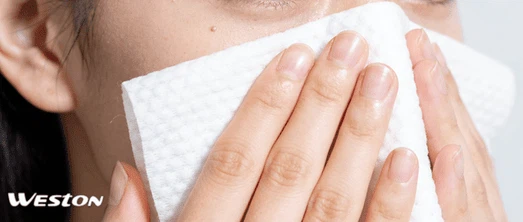
What Hypoallergenic Really Means for Sheet Products
Hypoallergenic products are designed to reduce the potential for allergic reactions. In sheet-based beauty products such as facial masks, wet wipes, and cosmetic pads, that potential depends mainly on three factors:
- The base fiber material
- The manufacturing process
- The additives or finishing agents used
Claims such as "natural," "gentle," or "dermatologist tested" may sound reassuring, but they provide little value without supporting information about processing conditions, residual chemicals, and finishing treatments.
Key Material Properties That Affect Skin Compatibility
|
Property |
Why It Matters |
|
Absorbency |
High absorbency reduces residue left on skin, lowering irritation potential. |
|
Surface Smoothness |
Softer surfaces reduce friction and micro-abrasions during use. |
|
Chemical Residue |
Lower levels of solvents, binders, and surfactants improve skin compatibility. |
|
Breathability |
Better airflow can reduce moisture buildup and skin discomfort. |
Fibers such as viscose, cotton, bamboo fiber, and lyocell are widely used because they balance softness, absorbency, and comfort.
Plant-Based Fibers: Practical Strengths and Limitations
Viscose
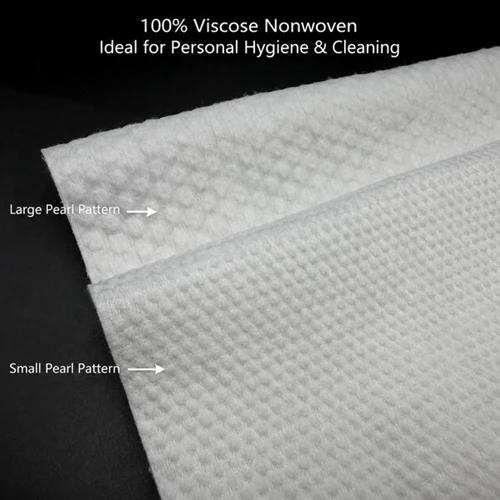
Viscose is a regenerated cellulose fiber valued for softness and liquid absorption. It performs well in facial masks and wet wipes because it distributes liquid evenly and feels gentle on skin.
Its safety profile depends heavily on proper solvent removal and rinsing during manufacturing.
Bamboo Fiber
Bamboo fiber offers a soft handfeel and effective moisture management. While some antimicrobial marketing claims may be exaggerated, bamboo-based nonwovens remain popular for comfort-focused applications.
100% Cotton
Cotton has long been trusted for direct skin contact products because of its natural softness and breathability. However, the final product quality depends on fiber purity and controlled bleaching processes.
Lyocell
Lyocell is produced using a closed-loop solvent system that typically leaves fewer residual chemicals behind. This makes it especially attractive for premium hypoallergenic applications.
PLA (Polylactic Acid)
PLA is a bio-based material often promoted for industrial compostability and reduced environmental impact. While environmentally attractive, PLA products still require irritation and compatibility testing before skin-contact use.
Together, these materials allow manufacturers to balance comfort, absorbency, sustainability, and skin safety.
Manufacturing Choices That Reduce Allergy Risk
The production method often influences skin compatibility more than the fiber name itself.
Spunlace (Hydroentanglement)
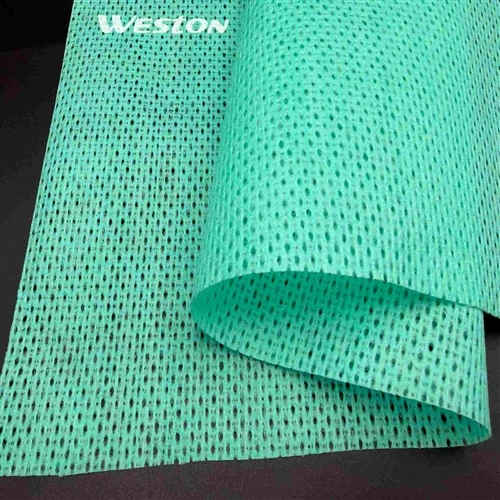
Spunlace technology uses high-pressure water jets to entangle fibers mechanically instead of relying on chemical adhesives.
This process creates:
- Softer fabrics
- Better drape and flexibility
- Lower binder content
- Reduced risk of chemical residue
For hypoallergenic wipes and mask sheets, spunlace manufacturing is widely preferred because it minimizes unnecessary additives.
Finishing and Rinsing Processes
Finishing agents can improve softness or performance, but excessive chemical treatment increases irritation risk.
Thorough rinsing and controlled finishing help reduce:
- Residual solvents
- Surfactants
- Processing chemicals
- Extractable compounds
Buyers should request extractables testing or residual chemical reports whenever possible.
Quality Control and Traceability
Reliable suppliers should provide:
Batch traceability
Fiber composition verification
Extractables testing
Basic cytotoxicity or irritation screening
These practices strengthen product consistency and support long-term brand credibility.

Design Factors Buyers Should Evaluate
Single-Use vs. Reusable Products
Single-use products reduce cross-contamination risk but may increase environmental waste. Reusable products lower waste generation but require careful laundering and hygiene management.
Sheet Weight and Porosity
|
Fabric Structure |
Typical Benefit |
Possible Limitation |
|
Lightweight & Porous |
Softer feel and breathability |
Lower liquid retention |
|
Heavier Structure |
Higher serum carrying capacity |
Increased residue transfer |
The ideal balance depends on product application and serum formulation.
Impregnation and Formulation Compatibility
In wet wipes and serum masks, active ingredients often contribute more to allergic reactions than the fabric itself.
Procurement teams should request:
- Full ingredient disclosure
- Stability testing
- Compatibility testing
- Patch-test data
How Sustainability Connects With Hypoallergenic Performance
Sustainability and skin safety increasingly overlap in modern product development.
Plant-based fibers processed under controlled conditions may reduce residual chemicals linked to irritation. At the same time, environmentally conscious consumers increasingly prefer biodegradable or renewable materials.
However, buyers should carefully evaluate environmental claims:
- "Biodegradable" may require industrial composting conditions
- "Natural" does not automatically mean safer
- Cleaner processing methods matter more than marketing language
Fibers such as lyocell demonstrate how lower-residue production methods can support both environmental and skin-safety goals.
Practical Testing Buyers Can Request
Professional buyers should request supporting documentation before approving suppliers or launching private-label products.
Recommended Testing Documents
|
Test or Report |
Purpose |
|
Extractables Report |
Identifies residual compounds that may transfer to skin |
|
Residual Solvent Testing |
Verifies processing cleanliness |
|
Cytotoxicity Screening |
Evaluates basic material safety |
|
Patch Testing |
Measures irritation potential under controlled conditions |
|
Fiber Composition Certificate |
Confirms raw material consistency |
These documents help reduce procurement risk and protect end users.
Weston's Approach to Safer Nonwoven Sheet Products
For procurement teams seeking reliable hypoallergenic sheet materials, supplier selection should focus on fiber transparency, controlled manufacturing, and consistent quality assurance.
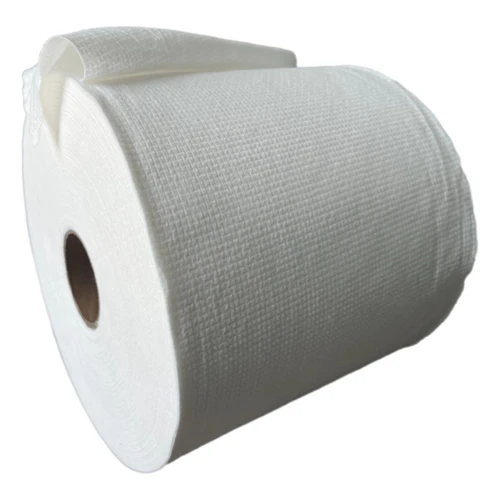
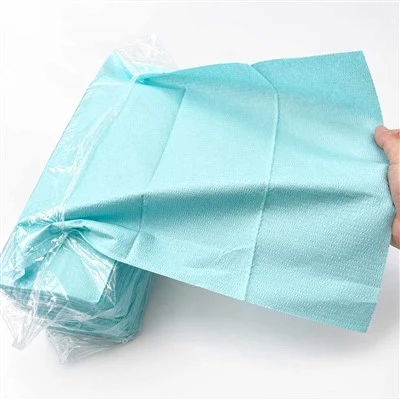
With more than 20 years of experience in spunlace nonwoven manufacturing, Weston Nonwoven supplies plant-based material solutions suitable for:
- Facial wipes
- Sheet masks
- Wet compress pads
- Cosmetic pads
- Dry wipes
Weston's material portfolio includes:
- Viscose
- Bamboo fiber
- 100% cotton
- PLA
- Lyocell
The company also supports OEM and private-label projects through customized spunlace production and flexible product development.
Examples of related product categories include:
100% Natural Plant Fiber Masks,Multi-Size Round Makeup Pads,Dry wipes for cosmetic and personal care applications
By combining plant-based fibers with hydroentanglement technology and controlled finishing protocols, Weston helps buyers source materials designed for both skin comfort and manufacturing consistency.
Buying Checklist for Low-Irritation Sheet Products
Before finalizing procurement decisions, buyers should verify the following:
- Confirm fiber composition with documentation
- Prefer hydroentangled (spunlace) fabrics with minimal binders
- Request extractables and residual chemical reports
- Review finishing-agent disclosures
- Obtain full ingredient lists for wet wipes and serum products
- Ask for patch-testing or irritation-screening data
- Match material structure to end-use requirements
- Evaluate realistic sustainability claims, not marketing language alone
- Careful material selection and transparent manufacturing practices remain the most reliable path toward safer, lower-irritation beauty and personal care sheet products.