How to Choose Disposable Manicure Table Covers: 8 Key Parameters + Factory Customization Guide (2026)
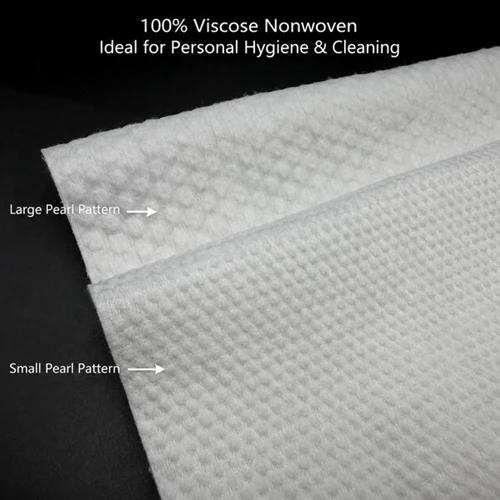
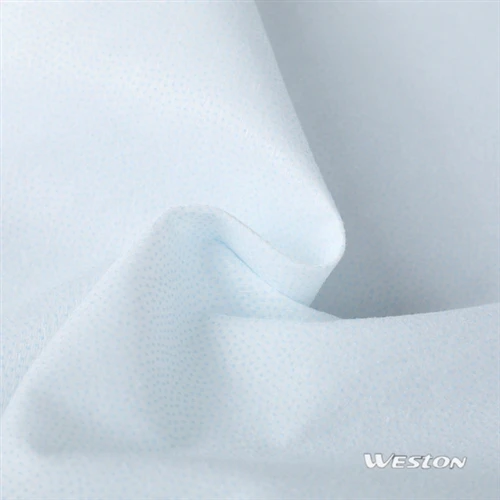
Disposable manicure table covers are single-use or roll-fed sheets placed over a nail technician's workstation to block penetration of acetone, monomer liquid, gel polish, and acrylic dust into the table surface. Most professional-grade covers are made from spunlace nonwoven fabric rather than plain paper, because spunlace fibers resist chemical soak-through while remaining tear-resistant during an 8-hour shift.
This guide breaks the buying decision into eight concrete parameters - material, weight, chemical resistance, sizing, roll count, biodegradability, customization, and cost - so salon owners and distributors can compare options directly, rather than relying on marketing claims.

1. Material: Spunlace Nonwoven vs. PE-Coated Paper vs. Plain Paper
The three materials commonly sold as "manicure table covers" perform very differently under real salon conditions.
|
Material |
Chemical resistance |
Tear resistance |
Reusable wipe-down |
Typical use case |
|
Spunlace nonwoven |
High - resists acetone and monomer soak-through |
High |
No (single-use, disposable) |
Gel, acrylic, extension services with frequent chemical contact |
|
PE-coated paper |
Moderate - coating can crack after repeated flexing |
Moderate |
No |
Lower-frequency polish services |
|
Plain paper roll |
Low - absorbs and soaks through quickly |
Low |
No |
Basic manicures only, not recommended for acrylic/gel |
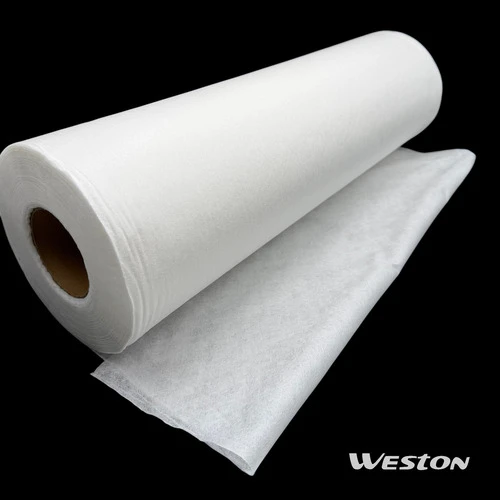
For salons doing frequent acetone soak-off or monomer-heavy acrylic work, spunlace nonwoven is the only material that reliably prevents liquid migration to the table underneath. This is the material basis for Weston's Disposable Manicure Table Covers, produced through hydroentanglement rather than chemical bonding or surface spraying.
2. Weight (GSM) and Thickness: How Much Is Enough?
Weight is measured in grams per square meter (GSM) and directly determines liquid capacity and tear resistance.
40–50 GSM: adequate for basic polish changes and light-use stations
50–65 GSM: recommended for standard gel and dip powder services
65–80+ GSM: recommended for high-frequency acrylic extension stations where monomer volume and dust load are highest
Salons that under-spec GSM tend to see covers tear or wick through mid-service, which is the single most common complaint driving repeat purchases. Matching GSM to service type - rather than buying the cheapest roll - reduces total replacement frequency.
3. Chemical Resistance: How Is It Actually Verified?
"Chemical resistant" is a claim that should be backed by a testable standard, not just stated. When comparing suppliers, ask for:
Liquid penetration / repellency test data (comparable to AATCC 22 water repellency methodology)
Acetone and monomer soak-through time (how many minutes before liquid reaches the table surface)
Third-party lab test reports where available, rather than internal marketing statements
A cover that beads liquid on the surface for a controlled test period, rather than one that simply feels "coated," is the practical indicator of real chemical resistance.
4. Sizing: Standard vs. Custom Dimensions
Standard roll and sheet sizes commonly available:
40 × 60 cm (single-station coverage)
45 × 70 cm (extended coverage for larger workstations)
Full roll formats (typically 40–50 m per roll, cut-to-length by the technician)
Custom sizing is relevant for salons with non-standard table dimensions, mobile nail stations, or franchise chains standardizing across multiple store layouts. Factories offering custom die-cutting can typically accommodate width and length changes with a sample turnaround of 7–14 days, depending on order volume.
5. Roll Count and Perforation Design
Two details buyers frequently overlook but that materially affect per-service cost:
Sheets per roll: directly determines cost-per-service; compare price per roll only after normalizing to sheets or linear meters per roll
Perforation / easy-tear design: reduces waste from over-cutting and speeds up turnover between clients - a meaningful factor for salons running 15+ appointments per day
When comparing suppliers, always request cost-per-sheet rather than cost-per-roll, since roll length varies significantly between manufacturers.
6. Biodegradability and Environmental Profile
An increasing share of salon buyers ask specifically about disposal impact. Relevant questions to ask a supplier:
Fiber composition (percentage of biodegradable fibers such as viscose or cotton vs. synthetic PET blends)
Whether the product is compostable under industrial composting conditions
Packaging recyclability
Spunlace nonwoven made from higher natural-fiber blends generally biodegrades faster than PET-reinforced blends, though PET blends offer higher tear strength - this is a genuine trade-off, not a marketing choice, and should be selected based on service volume vs. sustainability priorities.
7. Printing and Brand Customization
For salons and chains wanting branded workstation presentation, factory customization options typically include:
Logo printing (flexographic or digital, depending on order volume)
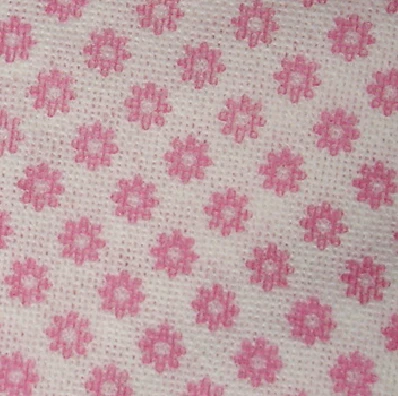
Lightweight Spunlace Nail Salon Mats can be paired with matching printed table covers to create a consistent branded station setup
Custom packaging (individual sleeve packaging vs. bulk roll packaging)
Minimum order quantity (MOQ) for printed runs is generally higher than for unprinted stock - buyers should confirm MOQ and sampling cost before committing to a full production run

8. Price Range and Cost Calculation
Rather than comparing sticker price per roll, calculate a normalized cost:
Cost per sheet = (Price per roll) ÷ (Number of usable sheets per roll)
This calculation typically reveals that higher-GSM, higher-priced rolls are often cheaper per service than low-cost thin rolls, once tear replacement and rework are factored in. Salons switching from low-GSM paper to properly specified spunlace covers commonly report a reduction in per-day material replacement frequency, which offsets the higher unit price.
Case Study: How a Multi-Location Nail Chain Reduced Consumable Costs Through Custom Table Covers
Background: A regional nail salon chain operating multiple locations was using a generic low-GSM paper roll across all stations, requiring frequent mid-service replacement during acrylic extension appointments.
Problem identified: Staff reported needing to replace covers multiple times per single extension service due to tearing and soak-through, adding avoidable material cost and slowing technician turnover between clients.
Solution implemented: The chain switched to a higher-GSM spunlace nonwoven cover sized to match their standard station dimensions, with branded printing applied across all locations for consistent in-store presentation.
Result: Replacement frequency per service dropped significantly, and the standardized branded covers also served as a visible cleanliness signal to clients across all locations - a factor salons increasingly cite as influencing repeat bookings.
(Figures above are illustrative of typical outcomes reported by multi-location buyers; actual results vary by service mix and prior product baseline. Request detailed case data directly from your supplier.)
Frequently Asked Questions
How many times can a disposable manicure table cover be used?
These products are designed for single use per client to prevent cross-contamination. Reusing a cover across clients defeats the hygiene purpose and is not recommended in professional settings.
What's the difference between a disposable table cover and a regular paper towel?
Regular paper towels absorb liquid rather than resisting it, meaning acetone and monomer soak through to the table surface. Purpose-made covers, particularly spunlace nonwoven versions, are engineered to repel rather than absorb these chemicals.
Can spunlace nonwoven covers actually resist acetone?
Yes, when properly specified - hydroentangled spunlace fabric at adequate GSM creates a dense fiber structure that significantly slows chemical penetration compared to standard paper. Verification should come from supplier test data rather than assumption.
What is the typical MOQ for custom-printed table covers?
This varies by factory, but printed runs generally require a higher minimum order than unprinted stock rolls. Buyers should request MOQ and sample cost directly, as these figures differ significantly between suppliers.
Are disposable table covers biodegradable?
It depends on fiber composition. Higher natural-fiber-content spunlace blends are more biodegradable than PET-reinforced versions, though the latter typically offer greater tear resistance.
Getting the Right Specification for Your Salon
Choosing a table cover isn't a single decision - it's a combination of GSM, sizing, chemical resistance, and cost-per-service that should match your actual service mix. For salons or distributors needing help calculating the right specification and volume for their locations, factory suppliers such as Weston can provide free sample kits and sizing recommendations based on submitted station dimensions and service type.Contact: info@westonmanufacturing.com