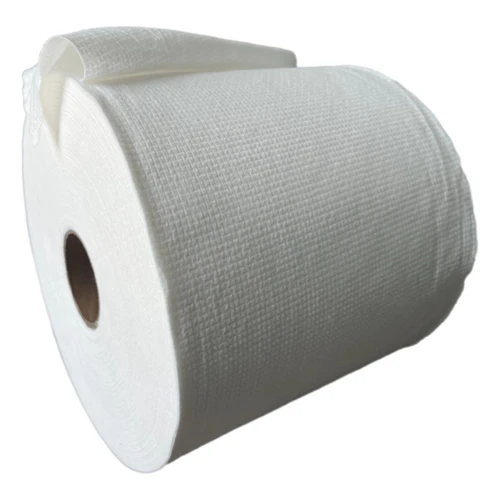
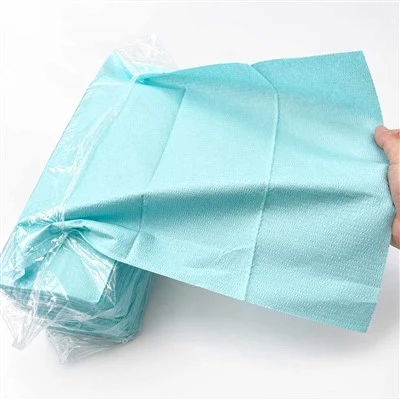
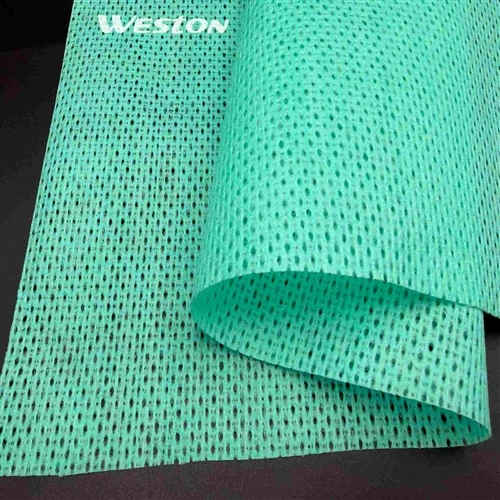
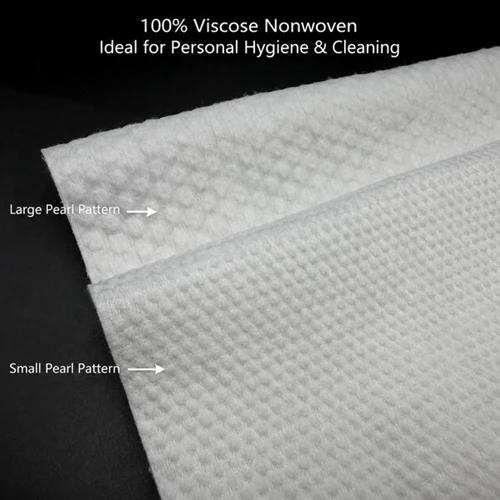
Pulp spunlace fabrics offer a unique combination of efficiency and sustainability. You'll find these fabrics are made by blending natural pulp with fibers and bonding them using high-pressure water jets. This mechanical process eliminates the need for chemical binders, ensuring an environmentally friendly production method. It produces no harmful emissions and creates recyclable materials, making it a sustainable choice. The global demand for pulp spunlace fabrics continues to rise, with consumption projected to grow at a compound annual growth rate of 8.6% from 2023 to 2028. This growth reflects a shift toward eco-friendly solutions in hygiene and medical applications.
Key Takeaways
Pulp spunlace fabrics mix natural pulp and fibers with water jets. This makes them eco-friendly and good for the environment.
These fabrics soak up liquids well and feel soft. They are great for baby wipes and cleaning wipes.
The process skips harmful chemicals, so the fabrics are safe. They break down easily and are gentle on the skin.
Industries can adjust these fabrics for special uses, making them very useful.
Pulp spunlace fabrics are strong and don't shed much. They work well for tough jobs in medical, industrial, and food services.
Materials Used in Pulp Spunlace

What Is Pulp?
Definition and Characteristics
Pulp forms the foundation of pulp spunlace fabrics. It consists of cellulose fibers derived from natural sources like wood or recycled paper. These fibers are lightweight, biodegradable, and highly absorbent, making them ideal for nonwoven fabric production. Pulp's ability to bond with other fibers ensures the final fabric achieves the desired strength and softness.
Types of Pulp Used
Different types of pulp contribute unique qualities to spunlace fabrics. The most commonly used types include:
Wood Pulp: Known for its long fibers, wood pulp enhances the fabric's strength and absorbency. It is biodegradable and widely used in hygiene and cleaning products.
Recycled Pulp: This type uses shorter fibers, offering higher bulk and stiffness. While it is less flexible, it remains a sustainable option for specific applications.
|
Characteristic |
Wood Pulp |
Recycled Pulp |
|
Freeness |
Higher due to longer fibers |
Lower due to short fibers and fines |
|
Fiber Length |
Longer fibers |
Shorter fibers (length < 0.5 mm) |
|
Bulk |
Lower bulk |
Higher bulk due to fiber stiffness |
|
Flexibility |
More flexible |
Less flexible due to hornification |
|
Applications |
Suitable for various paper grades |
Primarily for tissue paper |
Other Key Materials
Synthetic Fibers (e.g., Polyester, Polypropylene)
Synthetic fibers play a crucial role in enhancing the durability and performance of pulp spunlace fabrics. Polyester, for instance, provides high strength and elasticity, making it suitable for wet wipes and cleaning products. Polypropylene adds to the fabric's absorbency and chemical resistance, ensuring it performs well in personal care and industrial applications.
Natural Fibers (e.g., Viscose, Cotton)
Natural fibers like viscose and cotton improve the fabric's softness and absorbency. Viscose, in particular, offers excellent flexibility and customization options, making it ideal for hygiene products. Cotton contributes to the fabric's skin-friendliness and biodegradability, ensuring it meets the needs of eco-conscious consumers.
Key Benefits of Natural Fibers:
Biodegradability
Superior absorbency
Gentle on skin
Water as a Critical Component
Water serves as the driving force behind the hydroentanglement process. High-pressure water jets bond the fibers together, eliminating the need for chemical adhesives. This method requires significant water consumption, approximately 606 m³/hr/m/injector at 40 bar and 120 m. To maintain efficiency, the process relies on advanced filtration systems, including bag filters and sand filters.
The Pulp Spunlace Manufacturing Process

Preparing the Pulp and Fibers
Breaking Down and Dispersing Pulp
The first step in creating pulp spunlace fabrics involves breaking down the pulp into fine fibers. You'll see this process ensures the pulp disperses evenly, forming a uniform base for the fabric. Precursor web formation begins here, where the pulp undergoes mechanical or chemical treatment to achieve the desired consistency. This step is critical for ensuring the final fabric has consistent strength and absorbency.
Blending Pulp with Synthetic or Natural Fibers
Once the pulp is ready, it blends with synthetic or natural fibers. This combination enhances the fabric's properties, such as durability, softness, and absorbency. The blending process ensures the fibers interlock seamlessly, creating a precursor web that moves to the next stage of production.
Hydroentanglement (The Spunlace Process)
Role of High-Pressure Water Jets in Bonding Fibers
Hydroentanglement uses high-pressure water jets to bond the fibers together. These jets penetrate the fibrous web, entangling the fibers and even splitting them into finer strands. This process improves the texture and strength of the fabric. The water pressure, which can reach up to 2200 psi, directly impacts the fabric's weight and durability. By adjusting the pressure, you can customize the fabric for specific applications.
Use of Conveyor Belts and Screens to Form the Fabric
During hydroentanglement, conveyor belts and screens support the fibrous web. The belts transport the web through the water jets, while the screens ensure the fabric forms evenly. This setup prevents air pockets and ensures the fibers bond uniformly, resulting in a high-quality nonwoven fabric.
Drying and Finishing
Removing Excess Water
After hydroentanglement, the fabric contains significant moisture. A vacuum dewatering system removes most of the water, followed by a drying system that eliminates any remaining moisture. This step prepares the fabric for finishing treatments.
Final Treatments
The final stage involves treatments that enhance the fabric's properties. Common treatments include embossing, which adds texture, and dyeing, which provides color. Additional processes like calendering improve the fabric's smoothness and strength. These treatments ensure the fabric meets the specific needs of its intended application.
|
Treatment Type |
Purpose |
|
Drying |
To remove moisture from the hydroentangled web |
|
Finishing |
To enhance the fabric's properties through processes like calendering, embossing, or chemical treatment |
By following these steps, you can see how pulp spunlace fabrics are manufactured efficiently, resulting in versatile and high-quality materials.
Unique Properties of Pulp Spunlace Fabrics
High Absorbency and Softness
Excellent for Soaking Up Liquids
Pulp spunlace fabrics excel in liquid absorption. The natural pulp fibers used in their production are highly absorbent, allowing the fabric to soak up liquids quickly and efficiently. This makes it a preferred choice for applications like cleaning wipes and hygiene products, where rapid absorption is essential.
Gentle on Surfaces
You'll find that pulp spunlace fabrics are incredibly soft, making them ideal for delicate surfaces and skin contact. Compared to other nonwoven materials like airlaid fabric, pulp spunlace offers superior softness due to its uniform structure. This quality makes it perfect for personal care products such as facial masks and baby wipes.
Strength and Durability
Withstands Rigorous Use
Despite its softness, pulp spunlace fabric is remarkably strong. It can endure demanding tasks without tearing or losing its integrity. This durability makes it suitable for industrial applications, including cleaning and maintenance tasks in sectors like automotive and mechanical repair.
Low Linting for Cleanliness
The manufacturing process ensures that pulp spunlace fabrics produce minimal lint. This low-linting property is crucial for industries like pharmaceuticals and printing, where cleanliness is a top priority. You can rely on these fabrics to maintain a clean and contaminant-free environment.
Environmental and Cost Benefits
Biodegradability and Sustainability
Pulp spunlace fabrics are made from biodegradable materials like viscose and wood pulp. These materials break down naturally, reducing environmental impact. For instance, viscose spunlace fabrics not only absorb liquids effectively but also decompose efficiently, making them a sustainable choice for eco-conscious consumers.
Cost-Effective Production
While the production process of pulp spunlace fabrics involves advanced techniques, it remains cost-effective for large-scale manufacturing. Industries like cleaning and solid surface manufacturing benefit from this affordability, as it allows them to access high-quality materials without exceeding their budgets.
|
Industry |
Benefits |
|
Industrial Auto Painting |
Strength, absorbency, cost-effectiveness, clean surfaces |
|
Cleaning |
Maintains equipment and surfaces free of contaminants |
|
Solid Surface Manufacturers |
Provides a clean start for tasks |
|
Printing |
Utilizes spunlace wipes for various printing processes |
|
Mechanical Repair |
Effective for maintenance and repair tasks |
|
Pharmaceuticals |
Ensures cleanliness and hygiene in pharmaceutical processes |
Pulp spunlace fabrics combine high performance with environmental responsibility, making them a versatile and reliable choice across industries.
Applications of Pulp Spunlace Fabrics
Wipes and Cleaning Products
Aviation and Industrial Cleaning
Pulp spunlace fabrics excel in aviation and industrial cleaning due to their unique properties. You'll notice their high efficiency in decontamination, which ensures surfaces remain spotless. These fabrics also hold dust effectively, making them ideal for environments requiring strict cleanliness. Their ability to maintain surface integrity without causing damage is another advantage. Designed for precision wiping, they meet the rigorous demands of industries like electronics, automotive, and biomedicine.
Food Service and Hygiene Products
In food service, pulp spunlace fabrics provide safe and effective cleaning solutions. Their excellent wiping performance makes them perfect for cleaning kitchen floors and food preparation areas. For hygiene products, their softness and high water absorption make them suitable for direct skin contact. Whether used in wet wipes or disinfectant wipes, these fabrics ensure cleanliness and safety.
|
Application Category |
Description |
|
Household |
Used for cleaning food service industries and kitchen floors due to their excellent wiping effects and safety. |
|
Personal Care |
Ideal for wet wipes and baby wipes due to high water absorption and softness, suitable for direct skin contact. |
|
Industrial |
Used for precision wiping in electronics, automotive, and biomedicine, requiring strict cleanliness. |
|
Medical |
Commonly used in disinfectant wipes for skin and medical device disinfection, preventing cross-infection. |
Medical and Hygiene Uses
Medical Textiles (e.g., Surgical Gowns, Masks)
Pulp spunlace fabrics play a vital role in medical textiles. Their softness ensures comfort during prolonged use, while their high absorbency effectively manages liquids. The entangled fibers provide strength and durability, eliminating the need for chemical binders. You'll find these fabrics flexible and lint-free, making them ideal for surgical gowns, masks, and other medical applications.
|
Characteristic |
Description |
|
Softness |
The hydroentanglement process produces a soft fabric suitable for applications requiring skin contact. |
|
High Absorbency |
The fabric's structure allows for excellent liquid absorption and retention. |
|
Strength and Durability |
The entangled fibers provide good tensile strength and durability without the need for chemical binders. |
|
Flexibility |
The fabric is flexible and drapable, making it suitable for various applications. |
|
Lint-Free |
The process can create a lint-free fabric, which is important for specific uses like wipes and medical products. |
Personal Care Products (e.g., Baby Wipes, Makeup Removers)
In personal care, pulp spunlace fabrics offer lightweight and disposable options, enhancing convenience for users. Their textile-like feel and aesthetic appeal attract consumers, making products like baby wipes and makeup removers more desirable. Innovations in spunlace technology also allow for added benefits, such as exfoliation and moisturizing. These qualities make them a preferred choice for personal care applications.
Lightweight and disposable, enhancing user convenience.
Textile-like feel and aesthetic appeal attract consumers.
Innovations provide added benefits like exfoliation and moisturizing.
Pulp spunlace fabrics offer a straightforward and efficient production process. You'll see how natural pulp and fibers combine through hydroentanglement to create high-quality materials. This method stands out for its eco-friendly approach, using biodegradable components and avoiding harmful chemicals. The result is a versatile fabric that balances strength, softness, and absorbency. Whether you need materials for hygiene, medical, or industrial applications, pulp spunlace delivers reliable performance. Its cost-effective production and environmental benefits make it a smart choice for industries seeking sustainable solutions.
FAQ
What makes pulp spunlace fabrics eco-friendly?
Pulp spunlace fabrics use biodegradable materials like wood pulp and viscose. The manufacturing process avoids harmful chemicals, reducing environmental impact. You'll find these fabrics decompose naturally, making them a sustainable choice for industries focused on eco-conscious solutions.
Can pulp spunlace fabrics be customized for specific applications?
Yes, you can customize pulp spunlace fabrics by adjusting fiber blends, water pressure, and finishing treatments. This flexibility allows you to create fabrics tailored for medical, hygiene, or industrial uses, ensuring they meet your exact requirements.
How durable are pulp spunlace fabrics?
Despite their softness, these fabrics are highly durable. They withstand rigorous use without tearing or losing integrity. Their strength makes them ideal for demanding tasks in industries like automotive, aviation, and industrial cleaning.
Are pulp spunlace fabrics safe for skin contact?
Absolutely! These fabrics are soft, lint-free, and free from chemical binders. Their gentle texture makes them perfect for personal care products like baby wipes and makeup removers, ensuring safety and comfort for sensitive skin.
What industries benefit most from pulp spunlace fabrics?
Industries like medical, hygiene, aviation, and food service benefit greatly. You'll see these fabrics used in surgical gowns, cleaning wipes, and food preparation areas due to their absorbency, strength, and cleanliness.
Tip: Weston Manufacturing offers high-quality pulp spunlace fabrics tailored to your industry needs. Contact us to learn more about our customizable solutions!