Sensitive Skin? Meet Your New Essential: Hypoallergenic Bamboo Fiber Sanitary Napkins
Experiencing itching, redness, swelling, or chafing during your period is remarkably common-yet it is rarely just a "normal part of menstruation." In most cases, this monthly discomfort is a form of irritant contact dermatitis triggered by the synthetic plastics, harsh chemical bleaches, and rough fibers found in conventional menstrual products.
Hypoallergenic bamboo fiber sanitary napkins offer a scientifically backed alternative. Engineered with a 100% natural bamboo fiber nonwoven top sheet and processed without chemical binders or chlorine bleaching, these pads eliminate common skin irritants while actively wicking away moisture to protect delicate, reactive skin.

Why Traditional Sanitary Pads Irritate Sensitive Skin (Understanding "Pad Rash")
To solve period-related skin irritation, it helps to first understand what causes "pad rash." Intimate skin is thinner, more permeable, and has a delicate microbiome compared to the rest of the body, making it highly reactive to three primary triggers in standard disposable pads.
Synthetic Plastics and Non-Breathable Top Sheets
Most mainstream sanitary pads rely on petrochemical-derived plastics-such as polyethylene (PE) films and polypropylene fibers-for their top layers. While cheap to manufacture, plastic traps body heat and menstrual fluid against the skin. This creates a warm, humid microclimate that weakens the skin barrier, disrupts natural vaginal pH, and encourages bacterial and fungal overgrowth.
Harsh Chemical Bleaching, Dyes, and Fragrances
Conventional wood-pulp pads often undergo chlorine bleaching to achieve a bright white appearance, a process that can leave behind trace amounts of dioxins and endocrine-disrupting byproducts. Combined with artificial fragrances meant to mask odors and decorative dyes printed on the top sheet, these chemical additives are leading culprits behind acute allergic reactions and chronic vulvar irritation.
Mechanical Friction from Coarse Fibers
Every step you take creates friction between your skin and your sanitary pad. Traditional pads made from short, coarse wood pulp or poorly processed synthetic fibers have microscopic rough edges. Over a 5-to-7-day cycle, repetitive movement causes micro-abrasions on sensitive skin, resulting in burning, chafing, and soreness.
How Bamboo Fiber Naturally Protects Delicate Skin
Bamboo fiber is uniquely suited for feminine care because its natural physical and biochemical properties directly neutralize the triggers of contact dermatitis.
Built-In Hypoallergenic and Antimicrobial Properties ("Bamboo Kun")
Unlike cotton or synthetic fibers that require chemical antimicrobial treatments to prevent odor and bacterial growth, raw bamboo contains a natural bio-agent called Bamboo Kun. This inherent compound gives bamboo fiber natural bacteriostatic and antifungal properties. Even after being processed into soft nonwoven fabric, bamboo retains its ability to inhibit odor-causing bacteria, reducing the risk of secondary infections without exposing your skin to harsh chemical additives.
Superior Moisture-Wicking and Breathability
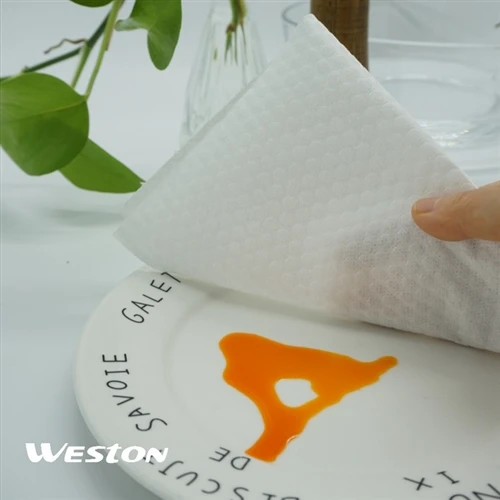
Under a microscope, the cross-section of a bamboo fiber is filled with naturally occurring micro-gaps and micro-holes. This porous architecture allows bamboo nonwoven fabric to absorb up to 60% more moisture than traditional cotton. Instead of letting fluid pool on the surface, bamboo fibers rapidly pull moisture downward into the absorbent core and allow air to circulate freely, keeping the top sheet dry and cool.
Silky-Smooth Fiber Structure for Zero Friction
Bamboo fibers are naturally long, round, and smooth without sharp spurs or rough scales. When woven or hydro-entangled into a top sheet, the resulting surface feels closer to silk or cashmere than conventional paper-based pads. This ultra-low friction coefficient allows the pad to move gently with the body without irritating compromised or inflamed skin.
Bamboo Fiber vs. Organic Cotton vs. Synthetic Pads: A Skin-Health Comparison
Choosing the right menstrual care material requires looking at how each fiber performs under real-world conditions of heat, moisture, and friction.
|
Evaluation Criteria |
100% Bamboo Fiber Nonwoven |
Conventional / Organic Cotton |
Synthetic / Plastic Top-Sheet |
|
Skin Irritation Risk |
Very Low (Naturally hypoallergenic & chemical-free) |
Low to Moderate (Can irritate if wet) |
High (Traps heat & contains petrochemicals) |
|
Breathability & Moisture Wicking |
Superior (Micro-porous structure dries rapidly) |
Moderate (Absorbs well but holds dampness against skin) |
Poor (Creates a humid greenhouse effect) |
|
Natural Antibacterial Effect |
Yes (Contains natural Bamboo Kun) |
No (Requires frequent changes to prevent odor) |
No (Often relies on synthetic fragrances) |
|
Softness & Friction |
Ultra-Smooth (Round, silky fibers minimize chafing) |
Soft (Can pill or roughen when saturated) |
Low (Perforated plastic feels rigid and sticky) |
|
Biodegradability |
High (Fast-growing, renewable, compostable fiber) |
High (Biodegradable, though water-intensive) |
None (Takes hundreds of years to decompose) |
Which Material Wins for Chronic Sensitive Skin?
While organic cotton is a vast improvement over synthetic plastics, pure cotton fibers tend to hold onto moisture once saturated, leaving a damp layer against the skin that can still trigger chafing. 100% bamboo fiber nonwoven bridges the gap-combining the breathable purity of natural plant fibers with superior moisture-wicking speed and natural antimicrobial defense.

What Makes a Sanitary Napkin Truly "Hypoallergenic"? (Manufacturing Standards Explained)
Not all products labeled "bamboo" or "sensitive" offer the same level of protection. True hypoallergenic performance depends heavily on how the raw bamboo fibers are converted into nonwoven fabric at the manufacturing level.
Spunlace Nonwoven Technology vs. Chemical Bonding
In conventional nonwoven manufacturing, fibers are often held together using chemical binders, glues, or thermal adhesives-substances that can leach out when exposed to body heat and moisture.
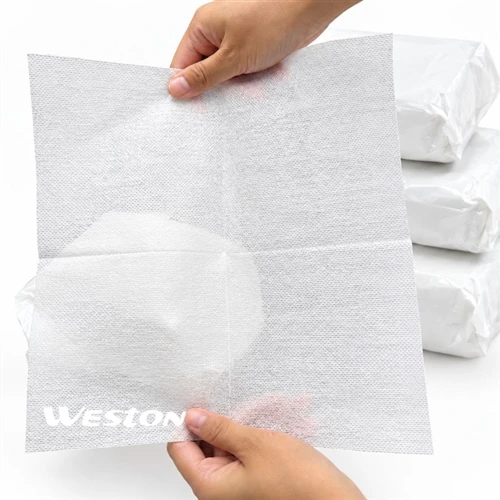
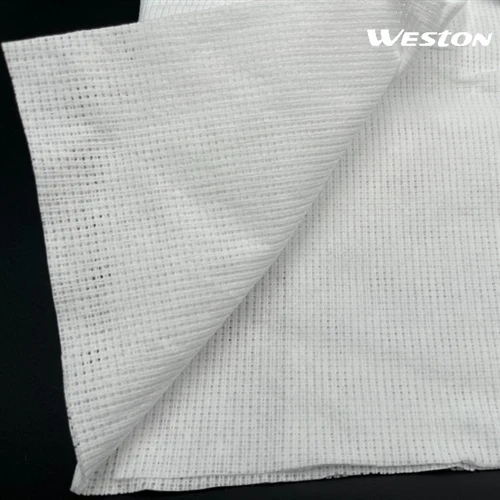
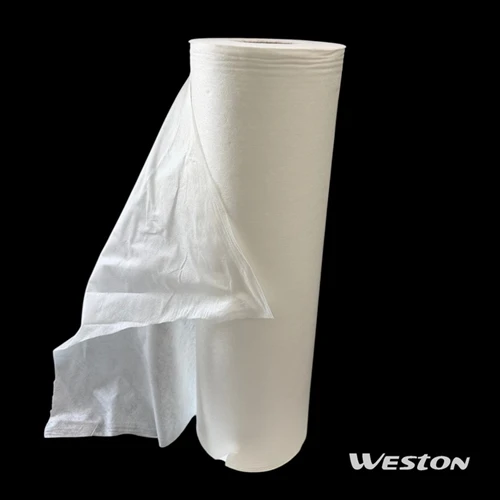
At Weston Nonwoven, our sensitive-skin fabrics are engineered using Spunlace (hydro-entanglement) technology. Instead of chemical glues, high-pressure, ultra-fine jets of water physically entangle the bamboo fibers into a cohesive, durable, and exceptionally soft web. Because water is the only binding agent used, the finished fabric is completely free from chemical adhesive residues.
Elemental Chlorine-Free (ECF) or Totally Chlorine-Free (TCF) Processing
A genuinely skin-safe sanitary napkin never uses chlorine gas bleaching. High-grade bamboo nonwoven fabrics undergo Totally Chlorine-Free (TCF) or Elemental Chlorine-Free (ECF) oxygen-based purification. This preserves the natural integrity of the fiber while guaranteeing zero dioxins, zero optical brighteners, and zero heavy metal residues.
Dermatological Testing and OEKO-TEX / ISO Standards
When evaluating hypoallergenic feminine care products, look for strict third-party verification:
OEKO-TEX® Standard 100 (Class I): Certifies that every component of the fabric has been tested for harmful substances and meets the strictest human-ecological requirements-the same standard applied to infant clothing.
ISO 10993 Biocompatibility Testing: Confirms that the nonwoven material passes clinical skin irritation and sensitization assessments.
Real-World Innovation: How Weston Custom-Engineered Nonwovens for a Korean Sensitive-Skin Brand
True skin-safe innovation happens when material science meets real consumer feedback. While Weston Nonwoven is renowned for hygienic menstrual substrates, our expertise in gentle nonwoven engineering extends across the broader feminine and dermatological care spectrum.
Recently, a prominent South Korean skincare and feminine care brand approached Weston with a specific challenge: their customers suffering from dry, red, and hyper-reactive intimate skin (often triggered by harsh menstrual cycles or environmental stressors) were experiencing severe stinging and redness from standard feminine and facial wipes. Existing market options were either too abrasive or caused adverse reactions when combined with soothing botanical serums.
To solve this, Weston's R&D team collaborated directly with the client's formulation chemists through an iterative customization process:
Substrate Prototyping: Weston supplied multiple customized spunlace nonwoven substrates featuring tailored blends of ultra-fine bamboo fiber and natural cellulose. We adjusted the fiber denier (thickness) and hydro-entanglement pressure to eliminate surface linting and achieve a cloud-like, zero-friction glide on compromised skin barriers.
Lotion-to-Fabric Ratio Optimization: A wipe is only as gentle as how well its fabric holds and releases liquid. Weston tested various grammages (GSM) and web densities to calibrate the exact liquid retention and release ratio, ensuring the fabric delivered a consistent, soothing dose of the client's low-pH, barrier-repairing essence without dripping or drying out mid-use.
The resulting product launched in South Korea to immediate acclaim among consumers with rosacea-prone and post-menstrual irritated skin, rapidly becoming a category bestseller and proving that precision nonwoven engineering is the foundation of truly hypoallergenic care.
Practical Tips for Managing Sensitive Skin During Your Period
Even when using high-performance bamboo fiber pads, adopting a few mindful habits during your cycle can further protect your skin barrier:
Optimal Changing Frequency to Maintain pH Balance
Change your sanitary napkin every 3 to 4 hours, even on lighter flow days. Regular changes prevent prolonged contact between menstrual fluid and your skin, helping preserve your natural, slightly acidic vaginal pH (3.8–4.5).
Choosing the Right Absorbency and Pad Length for Day vs. Night
Avoid wearing extra-long, heavy-flow overnight pads during light daytime hours. Using a slim, breathable bamboo daytime pad reduces unnecessary surface coverage and maximizes airflow to the surrounding skin.
Complementary Breathable Underwear Choices
Pair your bamboo fiber napkins with loose-fitting underwear made from breathable natural fabrics like bamboo viscose or 100% organic cotton. Tight synthetic underwear and non-breathable activewear can trap heat and undermine the breathability of even the best sanitary pad.
Frequently Asked Questions About Bamboo Fiber Sanitary Napkins
Can bamboo fiber pads help with chronic yeast infections or recurring pad rash?
While bamboo fiber sanitary napkins are not medical treatments, they directly eliminate the primary environmental triggers of recurring pad rash and yeast overgrowth-namely trapped heat, excess moisture, and chemical irritants. By keeping the intimate area cool, dry, and free from synthetic perfumes, they significantly reduce flare-ups for sensitive individuals.
Are bamboo fiber sanitary napkins completely free of plastics and fragrances?
High-quality bamboo fiber pads feature a 100% bamboo nonwoven top sheet that is completely free of fragrances, dyes, and chlorine bleach. Many eco-conscious formulations also replace traditional plastic back-sheets with biodegradable, plant-based PLA (cornstarch) waterproof films for a fully plastic-free experience.
How does bamboo nonwoven fabric feel compared to traditional cotton pads?
Bamboo spunlace nonwoven fabric feels noticeably smoother and silkier than traditional cotton. Because bamboo fibers do not swell and roughen as easily when wet, the top sheet maintains its soft, dry texture throughout wear rather than pilling or sticking to the skin.
Period discomfort shouldn't be compounded by the very products meant to protect you. Switching to breathable, chemical-free bamboo fiber is one of the simplest, most effective ways to calm reactive skin and restore comfort during your cycle.
If you are a feminine care brand or product developer looking to formulate gentler menstrual care solutions, explore the technical specifications of our hypoallergenic, spunlace-engineered Bamboo Fiber Sanitary Napkins or connect with our R&D team to customize substrates tailored to your customers' exact skin-health needs.