A simple, factual guide to how non-wovens interact with sensitive skin.
Non-woven fabrics appear in nearly every corner of daily life-facial wipes, baby products, medical disposables, masks, and even cleaning materials. Because these products interact directly with the skin, many people naturally ask whether non-woven fabric is hypoallergenic. The short answer: it can be, but the real story is more nuanced. This article breaks it down in simple, grounded terms, focusing on what truly affects skin sensitivity without exaggeration or marketing spin.
What Non-Woven Fabric Really Is
Non-woven fabric is made by bonding fibers-through water jets, heat, or air-rather than weaving or knitting them. This makes it soft, flexible, and capable of being engineered for a wide range of uses. Spunlace, meltblown, and air-laid are just a few common manufacturing types. Each method affects texture, absorbency, breathability, and how skin-friendly the final product feels.
Because non-wovens are customizable, their skin performance depends on the choices behind the fiber blend, additives, and production standards. This is why some wipes feel incredibly gentle, while others may cause mild irritation.
Is Non-Woven Fabric Hypoallergenic?
Non-woven fabric is not automatically hypoallergenic. The term "hypoallergenic" simply means a material is less likely to trigger irritation-it does not mean risk-free. Skin reactions typically arise from three core factors:
1. The types of fibers used
Different fibers behave differently on human skin.
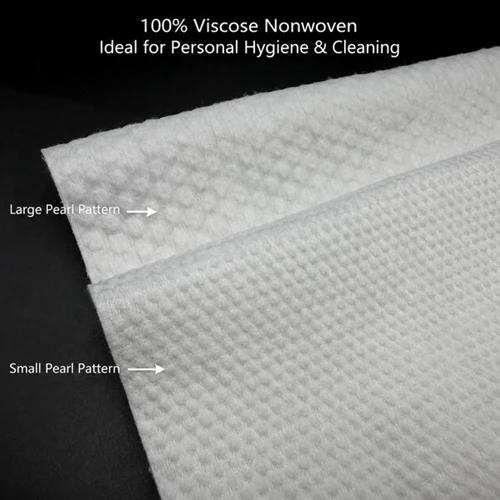
Cellulose-based fibers (viscose, wood pulp): soft, breathable, widely tolerated for sensitive skin.
Polyester fibers: durable and clean, but may feel slightly more abrasive for extremely reactive skin.
Polypropylene: commonly used in masks; low-irritant but performance depends heavily on production cleanliness.
Blends: offer balanced texture and strength, but stability depends on how the fabric is engineered.
2. Additives or finishes
Most skin irritation comes from what is added to the fabric, not the fabric itself.
Possible triggers include:
Fragrances
Lotions, low-quality moisturizers
Alcohol
Harsh dyes
Binding chemicals in non-spunlace materials
This is why fragrance-free, alcohol-free, dye-free versions often outperform "hypoallergenic" products that still contain irritating formulas.
3. Cleanliness and process control
Even with safe fibers, poor production hygiene can introduce residues. High-grade non-woven producers use filtered water, cleanroom standards, and repeated flushing to remove impurities. This kind of process-not marketing-plays a major role in reducing skin reactions.
Where Non-Wovens Excel for Sensitive Skin
When engineered with sensitive-skin criteria in mind, non-wovens deliver strong advantages:
Advantages
Soft and low-friction against the skin
Breathable structure that reduces moisture trapping
Highly absorbent options for cleansing
Consistent quality due to automated production
No loose fibers compared to some textiles
Can be made chemical-free and dye-free
Suitable for baby care, facial cleansing, and medical applications
Limitations
Some synthetic fibers may feel less gentle than cellulose for certain users
Quality varies significantly across manufacturers
Additives in lotions or cleaning solutions can irritate sensitive skin
Low-cost, binder-heavy non-wovens are more likely to cause reactions
This balanced view helps consumers understand that the hypoallergenic performance depends on multiple layers of engineering-not assumptions about the material.
How Fiber Choice Influences Skin Feel
For skincare, spunlace non-woven is widely regarded as one of the gentlest formats, thanks to its binder-free structure and naturally soft surface. This is the material commonly used in high-quality facial wipes and baby wipes.
For example, a well-designed Skin-Friendly Soft Spunlace Fabric uses purified water jets and clean fibers, resulting in a smooth, low-irritation surface. In the beauty sector, non-woven products like Hypoallergenic Makeup Wipes rely on this softness to minimize friction during makeup removal. These examples show how the material can achieve high comfort and stability when properly engineered.

The Role of Manufacturing Standards
Good production practices dramatically influence whether a non-woven fabric is suitable for sensitive skin. Key elements include:
High-purity water for hydroentangling (spunlace)
ISO-certified cleanroom environments
Multiple filtration and rinsing cycles
Strict control over fiber blending
VOC-free and dye-free production pathways
Skin-irritation and dermatological patch tests
Factories with strong technical capability can achieve cleaner, more stable materials that inherently reduce allergy risks.
How to Evaluate Whether a Product Is Truly Skin-Friendly
Consumers often rely on packaging claims, but a better approach is to examine specific indicators. A skin-conscious product typically checks these boxes:
Clear fiber-content labeling (e.g., viscose/polyester)
Fragrance-free and alcohol-free formulas
No unnecessary dyes
Dermatologically tested, ideally with third-party verification
Produced by manufacturers with trackable quality certifications
Binder-free structure for spunlace materials
Minimal chemical residue after production
Using this checklist allows buyers to look beyond marketing keywords and focus on real performance.
Common Misconceptions About Hypoallergenic Non-Wovens
"Natural fibers are always safer." Not universally-processing chemicals matter.
"Synthetic fibers automatically cause reactions." High-grade polyester or polypropylene is often extremely clean.
"Hypoallergenic means zero risk." Impossible-skin diversity makes a one-size-fits-all guarantee unrealistic.
"Soft equals safe." Texture helps, but chemical additives matter more.
"All non-wovens are the same." Manufacturing standards create enormous variation.
Debunking these myths helps consumers make more informed and confident choices.
A Practical Look at Real-World Uses
When designed for sensitive skin, non-wovens perform exceptionally well in:
Facial cleansing wipes
Skincare pads
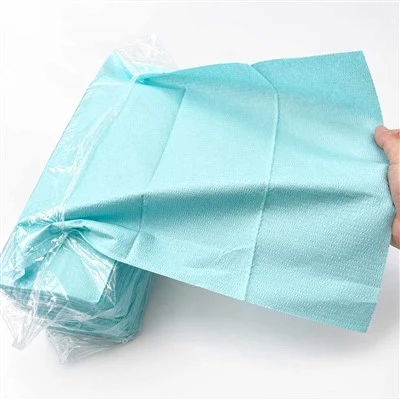
Baby wet wipes
Cosmetic application pads
Medical dressings and patient-care disposables
Gentle household wipes
This versatility stems from the ability to control absorbency, thickness, friction, and chemical treatments during production.
A Brief Note on Manufacturer Capabilities
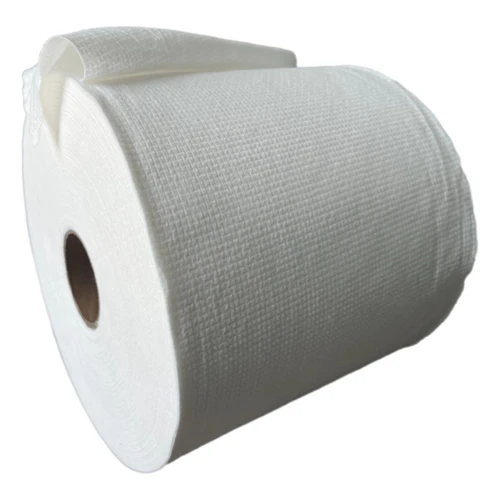
Some factories invest heavily in cleanroom-grade spunlace production, fiber purification, and dermatological testing. Weston Nonwoven, for example, focuses on stable-quality spunlace rolls and skin-friendly wipe substrates widely used in skincare, baby, and cosmetic applications. The emphasis is on clean fibers, controlled processes, and consistent roll-to-roll quality-details that matter when developing hypoallergenic products at scale.