Is 100% Cotton Hypoallergenic?
Many people reach for 100% cotton when their skin feels irritated or when searching for something safe for babies, medical care, or daily facial cleaning. Cotton has a familiar, trusted image. But does "100% cotton" automatically mean it's hypoallergenic? The answer is more layered than most marketing claims suggest. This article walks through the science in a steady, practical way-what cotton can do for sensitive skin, where it falls short, and how to choose the right kind of cotton without being misled by buzzwords.
What "Hypoallergenic" Actually Means in the Real World
The word "hypoallergenic" sounds definitive, but there's no unified global standard that regulates it. Brands can use it loosely as long as the product is less likely-not unlikely-to cause allergic reactions. This means a material labeled hypoallergenic may still irritate some people depending on dyes, finishing chemicals, or how the fiber was processed.
Cotton enters this conversation because it's familiar, plant-based, and generally gentle. But whether it performs well for sensitive skin depends on things far beyond the word "cotton" on a label.

How Cotton Behaves on Skin
Cotton fibers are soft, breathable, and absorb moisture efficiently. These traits help create a more stable micro-environment on the skin. Cotton also carries lower static electricity compared to synthetic materials, which may reduce friction-induced redness.
However, "100% cotton" only describes the fiber composition. It says nothing about what was added later: dyes, coatings, bleaching methods, softeners, or anti-wrinkle treatments. That's why two fabrics labeled "100% cotton" can feel entirely different on sensitive skin.
Unprocessed or minimally processed cotton-such as Unbleached 100% Cotton-tends to sidestep many of the irritants found in chemically finished fabrics.
Situations Where Cotton Is Truly Hypoallergenic
Cotton can be an excellent option for people with reactive or fragile skin-if it meets the right conditions. The following scenarios are where cotton performs especially well:
1. Minimal or Zero Dye
Natural or unbleached cotton reduces exposure to pigments and fixatives that can trigger irritation. This is why many medical textiles rely on cotton in its natural state or in a plain white form produced through safer bleaching.
2. Gentle Processing
Fewer chemical finishes mean fewer irritants. Products made for facial use, personal care, or wound care-such as Grid Texture Facial Cotton Pads or 100% Cotton Surgical Gauze Rolls-are typically engineered to avoid harsh treatments.
3. Breathability for Sensitive Skin
Cotton lets heat and moisture escape more quickly than synthetics. This can help limit sweat buildup, which often aggravates eczema-prone areas.
4. Comfort During Repeated Contact
Because cotton fibers are rounder and softer than many synthetic fibers, they create less friction on the skin. Repeated use becomes more comfortable for people whose skin barrier is easily disrupted.
When Cotton May Still Cause Irritation
Cotton is not immune to problems, and some irritations come from factors people rarely connect to the material itself. Here are the key drawbacks to consider:
1. Chemical Finishes
Many cotton fabrics are treated with resins or coatings to make them wrinkle-free, stain-resistant, or extra-soft. Some of these treatments contain ingredients that sensitive skin dislikes, especially formaldehyde-based resins.
2. Heavy Dye Loads
Bright, saturated colors tend to use stronger dyes. These can linger even after washing, and some dye families are known irritants.
3. Detergents and Residue
Cotton's absorbency means it can trap detergent residue deep inside the fibers. For people with sensitive skin, even "normal amounts" of leftover detergent can cause redness or itching.
4. Moisture Retention
Because cotton holds water, it can stay damp longer than synthetic fabrics. Prolonged dampness encourages bacterial and fungal growth, which may aggravate sensitive skin or wounds.
5. Rare Fiber Sensitivity
True cotton allergy is uncommon, but it exists. People may also react not to the cotton itself but to the soil-borne proteins or impurities left behind.
How 100% Cotton Compares to Other Skin-Friendly Materials
Some consumers now consider alternatives like bamboo viscose, Tencel, modal, or high-quality polyester microfibers. Each has strengths:
Bamboo viscose: Silky feel, strong moisture regulation, but heavily processed.
Tencel (lyocell): Smooth, temperature-regulating, good moisture movement.
Polyester microfiber: Extremely soft but not as breathable; less natural for sensitive skin purists.
Cotton remains a top choice for people who want a natural, breathable, low-friction fabric free of synthetic processing. But it's not the only skin-friendly option, and sometimes blends outperform cotton in humidity control or quick-drying performance.
How to Choose the Right Cotton for Sensitive Skin
If your goal is comfort, skin safety, and predictable performance, these guidelines simplify the process:
Look for unbleached, undyed, or natural-color cotton when possible.
Prefer fabrics that avoid "no-iron," "wrinkle-free," or "easy-care" labels.
Seek certifications like OEKO-TEX, meaning chemicals are restricted or tested.
Always wash new cotton items before first use.
For wound care or personal hygiene, use cotton made for medical or cosmetic purposes-such as 100% Cotton Surgical Gauze Rolls or structured pads like Grid Texture Facial Cotton Pads.
Keep cotton items dry and wash them regularly, especially in humid environments.
These steps usually make a bigger difference than simply searching for the word "hypoallergenic."
Why Some Cotton Products Perform Better Than Others
Cotton's behavior on skin depends on the weaving method, fiber length, surface pattern, and even how tightly the fibers are spun. For example, grid-textured patterns create more efficient makeup removal or oil absorption without increasing skin friction. Medical-grade cotton uses tighter controls to enforce purity. Everyday cotton clothing, however, may rely on stronger dyes or finishing additives.
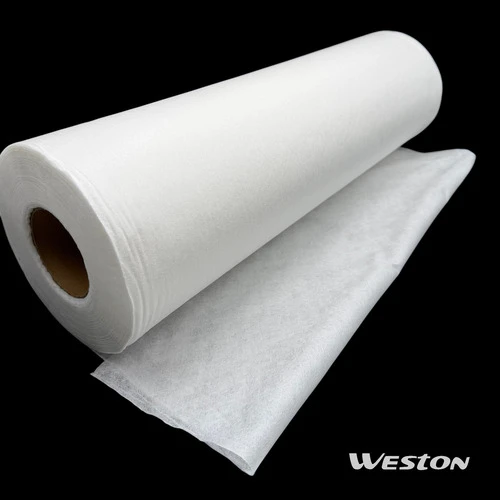
Some manufacturers, including textile producers like Weston Nonwoven, specialize in minimal-chemical cotton materials-ranging from Unbleached 100% Cotton sheets to structured wipes and rolls designed for stable performance. These appear in the background of many healthcare, beauty, and industrial cleaning settings without being labeled as "hypoallergenic," yet they achieve the same purpose through material design rather than marketing terms.

A Practical Takeaway
Is 100% cotton hypoallergenic? Often, yes-if it's the right kind of cotton. Cotton is naturally gentle, breathable, and familiar, but the fibers alone don't determine skin safety. The real difference lies in how the cotton is processed, finished, woven, washed, and used. Choosing simple, minimally treated cotton gives most people the best chance at irritation-free wear, especially when the cotton comes from sources that prioritize purity and low-chemical processing.