Using Disinfecting Wipes on Food Surfaces: A Comprehensive Guide
Foodborne pathogens are stealthy invaders, thriving on the very surfaces where we prepare our meals. From cutting boards to countertops, these microscopic threats pose a significant risk to public health, with millions falling victim to foodborne illnesses each year. In this battle against invisible foes, disinfecting wipes have emerged as a valuable ally. However, their effectiveness hinges on proper usage, especially when it comes to food contact surfaces. This guide delves into the intricate details of using disinfecting wipes on food surfaces, ensuring that every step is rooted in scientific rigor and practical wisdom.
The Science Behind Disinfection on Food Surfaces
Disinfection is not a one-size-fits-all process, particularly when dealing with surfaces that come into direct contact with food. Unlike non-food surfaces, where the primary goal is to eliminate pathogens, food surfaces require a delicate balance between thorough disinfection and the absence of harmful residues.

Microorganisms such as Salmonella, E. coli, and Listeria can survive on food surfaces for extended periods, waiting for an opportunity to contaminate food. Disinfecting wipes work by releasing active ingredients that target these pathogens, disrupting their cellular structures and rendering them harmless. The key is to ensure that these active ingredients remain in contact with the surface long enough to do their job, while also ensuring that any residual substances are safe for human consumption.
Different food surfaces have varying properties that affect disinfection. Porous surfaces like wooden cutting boards, for example, can harbor bacteria deep within their fibers, making disinfection more challenging. Non-porous surfaces such as stainless steel and glass, on the other hand, are easier to clean but still require proper disinfection to prevent cross-contamination.
Step-by-Step Guide to Using Disinfecting Wipes on Food Surfaces
Pre-Cleaning: The Foundation of Effective Disinfection
Before reaching for a disinfecting wipe, it is crucial to prepare the surface through pre-cleaning. Food residues, grease, and grime can act as barriers, preventing the disinfectant from reaching the pathogens. Use a mild detergent and warm water to thoroughly clean the surface, removing all visible dirt. For stubborn residues, a gentle scrub with a non-abrasive sponge may be necessary.
Rinse the surface with clean water to remove any detergent residue, as some detergents can interact with the disinfectant in the wipes, reducing its effectiveness. Allow the surface to air dry or dry it with a clean, lint-free cloth before proceeding to the disinfection step.
Selecting the Right Wipe: A Critical Decision
Not all disinfecting wipes are suitable for food surfaces. It is essential to choose wipes that are specifically formulated for use on food contact surfaces. Look for wipes that are labeled as meeting relevant safety standards for food areas.
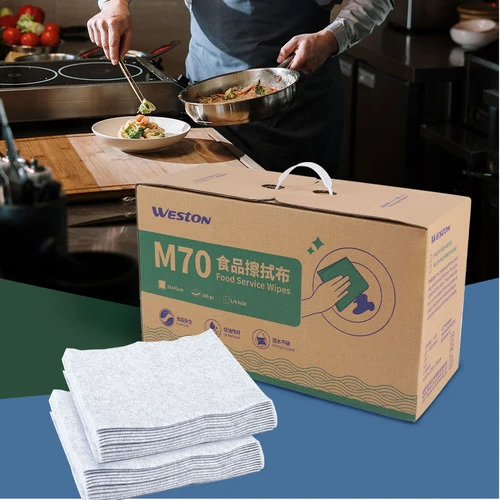
Food Grade Disinfectant Wipes are designed with ingredients that are safe for use around food, ensuring that no harmful residues are left behind. These wipes undergo rigorous testing to confirm their effectiveness against a broad spectrum of foodborne pathogens while maintaining the highest safety standards.
Proper Wiping Technique: Maximizing Contact Time
Once the surface is pre-cleaned and dry, it's time to use the disinfecting wipe. Start by unfolding the wipe completely to ensure maximum coverage. Wipe the surface in a systematic manner, using overlapping strokes to avoid missing any areas. Apply gentle pressure to ensure that the disinfectant comes into contact with all parts of the surface.
For larger surfaces, use multiple wipes to ensure that the entire area is covered. Do not skimp on the number of wipes, as insufficient coverage can lead to incomplete disinfection.
Dwell Time: The Key to Killing Pathogens
Dwell time, also known as contact time, is the length of time that the disinfectant must remain wet on the surface to effectively kill pathogens. This information is typically provided on the label of the disinfecting wipes, and it is crucial to follow it strictly.
During the dwell time, avoid touching or using the surface. This ensures that the disinfectant has ample time to work. If the surface starts to dry before the recommended dwell time is up, reapply the disinfectant using another wipe.
Post-Disinfection Handling: Ensuring Safety
After the dwell time has elapsed, some disinfecting wipes may require rinsing with clean water to remove any residual disinfectant. This is particularly important for surfaces that will come into direct contact with food that is not cooked, such as fruits and vegetables. Check the label of the wipes to see if rinsing is necessary.
If rinsing is required, use clean, potable water and a clean cloth or sponge to wipe away the residue. Allow the surface to air dry completely before using it again.
The Advantages of Using Disinfecting Wipes on Food Surfaces
Convenience and Portability
Disinfecting wipes offer unparalleled convenience, especially in busy kitchen environments. They are easy to store, requiring no additional equipment or mixing, and can be used on the go. This makes them ideal for quick cleanups between food preparation tasks, reducing the risk of cross-contamination.
Targeted Disinfection
Unlike sprays or bulk disinfectants, wipes allow for precise application, ensuring that the disinfectant is applied exactly where it is needed. This reduces waste and minimizes the risk of exposing non-target areas to the disinfectant.
Reduced Risk of Cross-Contamination
Each wipe is used once and then discarded, eliminating the risk of cross-contamination that can occur with reusable cloths or sponges. This is particularly important in food preparation settings, where preventing the spread of pathogens is paramount.
The Disadvantages and Limitations to Consider
Cost Considerations
Disinfecting wipes can be more expensive than bulk disinfectants in the long run, especially for large-scale use. However, their convenience and reduced risk of cross-contamination may outweigh the cost for many users.
Environmental Impact
Most disinfecting wipes are single-use and non-biodegradable, contributing to environmental waste. While some eco-friendly options are available, they may not be as effective as traditional wipes. It is important to consider the environmental impact when choosing disinfecting wipes and to dispose of them properly.
Surface Compatibility
Not all disinfecting wipes are suitable for all food surfaces. Some wipes may contain ingredients that can damage certain materials, such as wood or marble. It is essential to check the label of the wipes to ensure that they are compatible with the surface being cleaned.
Special Considerations for Specific Food Surfaces
Cutting Boards: A Hotspot for Pathogens

Cutting boards are among the most contaminated food surfaces, as they come into contact with raw meat, poultry, and seafood. When using disinfecting wipes on cutting boards, it is important to pay special attention to the grooves and crevices where bacteria can hide.
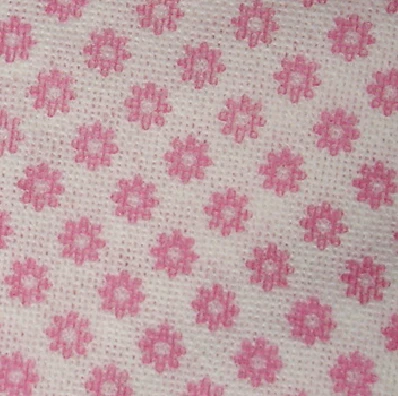
Spunlace Microfiber Wipes For Cutting Boards are designed with a textured surface that helps to dislodge and trap bacteria, making them highly effective for this purpose. Their superior absorbency ensures that the disinfectant remains in contact with the surface for the required dwell time, even in porous wooden boards.
Countertops: Maintaining a Clean Workspace
Countertops are used for a variety of food preparation tasks, from chopping vegetables to placing cooked food. When disinfecting countertops, it is important to cover the entire surface, including the edges and corners.
For granite or marble countertops, choose wipes that are pH-neutral to avoid etching the surface. For stainless steel countertops, ensure that the wipes do not contain ingredients that can cause discoloration.
Utensil Handles and Appliance Surfaces
Utensil handles, refrigerator doors, and other appliance surfaces are often overlooked but can harbor significant numbers of pathogens. Regular disinfection with wipes can help to reduce the risk of cross-contamination.
When disinfecting these surfaces, pay special attention to areas that are frequently touched, such as door handles and control knobs. Use a fresh wipe for each surface to avoid spreading pathogens.
The Role of Quality Materials in Disinfecting Wipes
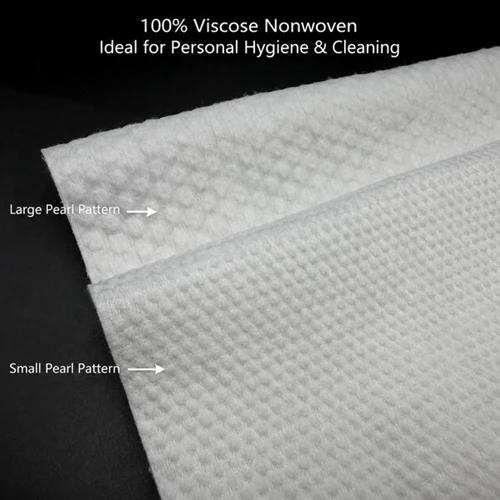
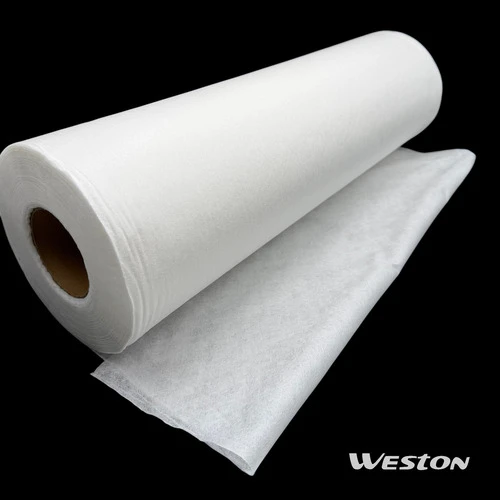
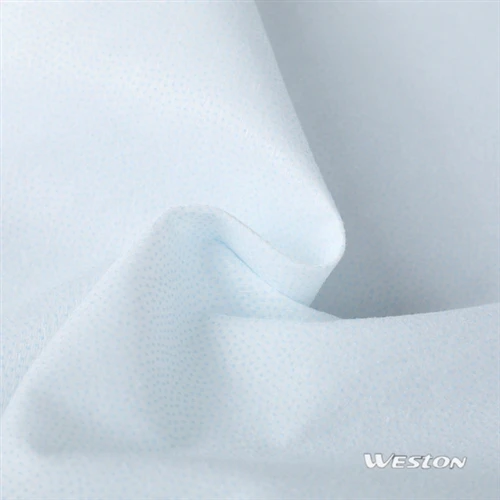
The effectiveness of a disinfecting wipe is not only dependent on its active ingredients but also on the material of the wipe itself. Hygienic Kitchen Wipes Material is designed to be strong and durable, ensuring that the wipe does not tear or fall apart during use. This allows for thorough coverage and ensures that the disinfectant is evenly distributed across the surface.
High-quality materials also have superior absorbency, which helps to keep the surface wet for the required dwell time. This is essential for effective disinfection, as pathogens can survive if the disinfectant dries too quickly.
Integrating Disinfecting Wipes into a Comprehensive Food Safety Plan
Disinfecting wipes are a valuable tool in a comprehensive food safety plan, but they should not be relied upon as the sole method of preventing foodborne illnesses. They should be used in conjunction with other food safety practices, such as proper handwashing, safe food storage, and thorough cooking of food.
Regular training of staff on the proper use of disinfecting wipes and other food safety practices is essential. This ensures that everyone involved in food preparation understands the importance of disinfection and knows how to perform it correctly.
In conclusion, the proper use of disinfecting wipes on food surfaces is a critical component of ensuring food safety. By following the steps outlined in this guide, and choosing high-quality wipes such as those made with Hygienic Kitchen Wipes Material, Food Grade Disinfectant Wipes, and Spunlace Microfiber Wipes For Cutting Boards, you can significantly reduce the risk of foodborne illnesses. For those interested in exploring these products further, feel free to reach out to info@westonmanufacturing.com to request a free sample and discover how they can enhance your food safety protocols.