How to Use Antiseptic Wipes on Skin
A Doctor-Approved Guide for Safe Application
Did you know that disinfectant-related incidents reported to U.S. poison centers increased by 25% after the COVID-19 pandemic began?
Antiseptic wipes are essential tools for maintaining hygiene and reducing the spread of germs-especially in medical and healthcare environments. However, improper use can lead to serious skin reactions, including irritant contact dermatitis and chemical burns.
As medical professionals, we frequently encounter cases where powerful disinfecting wipes are used incorrectly. The key difference between benefit and harm lies in proper application.
This doctor-approved guide explains how to safely use antiseptic wipes on skin-helping you protect both hygiene and skin health.

Understanding Antiseptic Wipes
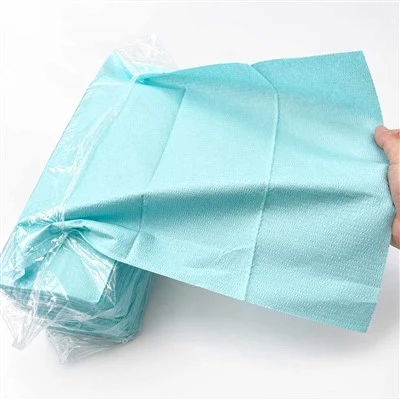
Antiseptic wipes are single-use, pre-saturated cloths designed to disinfect skin or surfaces without cross-contamination. They combine mechanical wiping action with chemical antimicrobial agents for effective germ reduction.
What Makes a Wipe "Antiseptic"?
The effectiveness of antiseptic wipes comes from biocides-active chemical agents that control microorganisms through:
Growth inhibition (bacteriostatic, fungistatic)
Microbial destruction (bactericidal, virucidal, sporicidal)
In addition to active agents, wipes may include:
Surfactants
Preservatives
Enzymes
Fragrances (in some consumer-grade products)
Common Active Ingredients
The most widely used antiseptic agents include:
Alcohols (Ethyl & Isopropyl)
Fast-acting, effective against bacteria and viruses, commonly used for skin preparation.
Quaternary Ammonium Compounds (QACs)
Broad-spectrum antimicrobial activity with deodorizing and cleaning properties.
Hydrogen Peroxide
Effective against bacteria and spores with sufficient contact time; breaks down into water and oxygen.
Chlorine Compounds
Includes hypochlorite and chlorine dioxide; highly effective but potentially irritating to skin.
The FDA recognizes several ingredients as safe and effective for antiseptic use, including benzalkonium chloride, benzethonium chloride, chloroxylenol, alcohols, and povidone-iodine.
Different Types for Different Uses
Antiseptic wipes are formulated for specific applications:
Wound Care
Benzalkonium chloride (BZK) wipes are preferred due to their gentleness and broad antimicrobial activity.
Skin Preparation
Alcohol wipes are effective for cleaning surrounding skin but should not be used directly on open wounds.
Catheter Care
BZK wipes are commonly used because they are less drying than alcohol-based wipes.
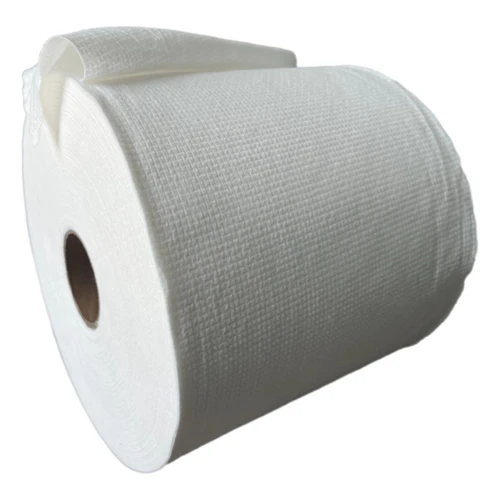
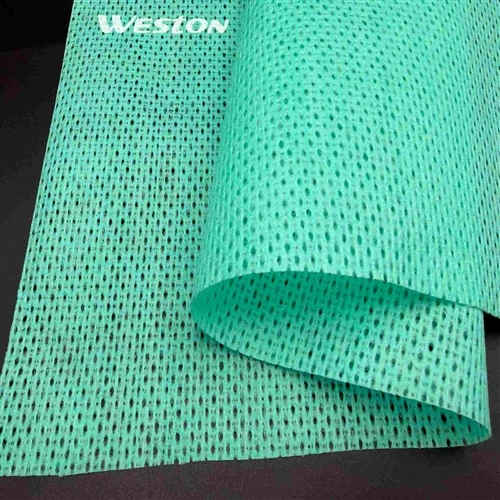
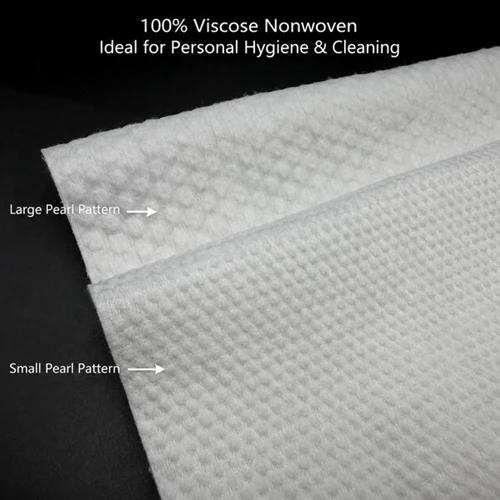
Fabric composition also matters. Most wipes combine:
Cellulosic fibers (cotton, viscose, lyocell) for absorbency
Thermoplastic fibers (PET, PP) for strength and durability
Pre-Application Skin Check
A careful skin assessment before using antiseptic wipes is essential for safety.
Identify Your Skin Type
Dermatologists classify skin into five main types:
Oily
Dry
Normal
Combination
Sensitive
Skin type can change due to age, hormones, stress, climate, or health conditions. Sensitive skin requires extra caution when using antiseptic products.
Check for Cuts or Skin Damage
Before application, inspect the area for:
Open wounds or deep cuts
Bleeding or exposed tissue
Rashes, burns, or irritation
Signs of infection (redness, swelling, discharge)
Do not use antiseptic wipes on:
Deep wounds
Large open cuts
Recently shaved skin (within 24 hours)
Seek medical care if wounds are large, caused by bites, or contaminated by dirty or rusty objects.

Step-by-Step Application Guide
1. Hand Hygiene Comes First
Wash hands with soap and water for 15–20 seconds
Clean fingertips, thumbs, and between fingers
Dry hands with a disposable towel
2. Open the Wipe Correctly
Remove one wipe without touching others
Reseal the container immediately to prevent drying and contamination
3. Correct Wiping Technique
Preparation
Ensure skin is cool and dry
Remove visible dirt if present
Application
Use gentle circular motions
Apply consistent pressure
Wipe the area for approximately 20 seconds
Allow solution to air dry completely
Do not rinse
Direction of Cleaning
Start from cleaner areas and move toward more contaminated zones.
Avoid
Eyes, ears, mouth, and mucous membranes
Open wounds or broken skin
4. Proper Disposal
Dispose of wipes immediately after use
Never flush wipes
Follow local or institutional waste regulations
Safety Precautions to Follow
Avoid Sensitive Areas
Do not use antiseptic wipes on:
Face, neck, or scalp
Genital areas
Broken or irritated skin
Ensure good ventilation and keep wipes out of children's reach.
When Not to Use Antiseptic Wipes
Avoid use if:
You have known allergies to ingredients (e.g., chlorhexidine)
Skin is severely damaged or inflamed
Wipes are expired, dried out, or packaging is damaged
For children and classroom environments, routine cleaning with soap and water is often sufficient.
Post-Application Care
Let Skin Dry Naturally
Do not rub or towel-dry
Expect mild tackiness or dryness temporarily
Avoid lotions or deodorants immediately after use
Wait at least 1 hour before bathing
Normal Reactions
Mild itching
Temporary dryness
Slight tacky feeling
These usually resolve within 30 minutes.
When to Seek Medical Help
Seek immediate care if you experience:
Difficulty breathing
Facial swelling
Severe rash or hives
Contact a healthcare provider if:
Redness or burning persists
Skin reactions worsen
Symptoms last longer than 30 minutes
Moisturizing after the skin has fully dried can help restore the skin barrier.
Key Takeaways
Safe use of antiseptic wipes depends on:
Proper skin assessment
Correct application technique
Awareness of safety limitations
Monitoring for adverse reactions
When used correctly, antiseptic wipes are valuable hygiene tools. When misused, they can compromise skin health.
Frequently Asked Questions
Q1. Are antiseptic wipes safe for daily skin use?
No. They are not intended for routine skincare and may cause irritation if overused.
Q2. What is the correct way to apply antiseptic wipes?
Clean hands first, gently wipe the area, allow to air dry, and discard after one use.
Q3. Can antiseptic wipes be used on sensitive areas?
No. Avoid face, genitals, mucous membranes, and broken skin.
Q4. What should I do if I have a reaction?
Stop use immediately, wash the area, apply soothing lotion, and seek medical help if symptoms worsen.
Q5. How long should I wait before applying other products?
Wait until the skin is fully dry and at least one hour before applying other products.