A Science-Backed Guide to Floor Maintenance
Executive Overview
High-traffic floors aren't just dirty by accident-they're collecting particles systematically through physics and human activity. Understanding the science of floor contamination transforms cleaning from guesswork into strategic prevention. The good news? Studies show that 85-90% of tracked-in dirt can be stopped before it reaches your floors, not after. This guide cuts through the noise and explains what actually works, why it works, and how to build a sustainable floor maintenance system that saves money while keeping spaces genuinely clean.

The Hidden Problem We Walk On Every Day
What's Actually on Your Floors?
Most people think dirty floors are just about visible debris-crumbs, dust bunnies, maybe some mud. The reality is far more complex and unsettling. Your floors are silently collecting:
Soil particles tracked in from outside (coarse grit that scratches surfaces)
Airborne dust that settles continuously throughout the day
Microorganisms (bacteria and fungi) hitchhiking on shoe soles
Allergens like pollen and pet dander that resuspend into the air
Chemical residues from cleaners that accumulate over time
One study found that 1,000 people entering a building with no entrance matting over just 20 days will track in approximately 24 pounds of soil.
Why "Walking" Makes It Worse
Every footstep isn't just depositing dirt; it's also resuspending it. Research shows that foot traffic can resuspend particles at rates ranging from 0.0025 to 0.5 per hour, depending on floor type. This resuspension is how pathogens spread-up to 80% of aerosolized bacteria can remain airborne at a height where people breathe them in.
Carpet resuspends particles 2.7 times more effectively than vinyl, making it a risky choice in high-infection settings.
The Entry Point-Where 80% of the Battle Is Won
The "Mat Effect": Your First Line of Defense
Before cleaning tools ever touch your floor, entrance matting acts as a contamination barrier:
Mechanical abrasion: Rough fibers scrape particles off shoe soles
Capillary absorption: Moisture-absorbing layers wick water away
Particle trapping: Fiber structure catches and holds debris
Key Numbers:
3 feet of matting captures 30% of incoming soil
15 feet of matting traps 90% of tracked-in dirt
36 feet of matting removes 99% of soil
Material composition matters. Modern mats use:
Coir (coconut fiber) for scraping
Microfiber or nylon for moisture absorption
Multi-layer construction to hold different particle sizes

Understanding Dirt Dynamics-What You're Actually Removing
The Three Categories of Floor Contamination
Loose Surface Debris (10-500 micrometers)
Soil particles, sand, pollen, pet dander
Removal: Daily vacuuming or dry sweeping
Embedded Debris
Finer particles trapped in fibers or grout
Removal: Weekly deep vacuuming or extraction
Biofilm and Chemical Residues
Bacteria colonies invisible to the eye
Removal: Monthly deep cleaning with appropriate chemicals
The Microfiber Advantage: Science-Backed Cleaning
Microfiber cloths outperform cotton due to:
Ultra-fine fibers fitting into microscopic irregularities
High surface area creating more contact points
Electrostatic properties attracting dust without harsh chemicals
Research shows:
Microfiber removes bacteria effectively with just detergent.
Dry vs. Wet Cleaning-Understanding the Strategic Difference
The Dry Cleaning Phase: Efficient Daily Maintenance
Removes 60-70% of loose particles before they get wet and sticky.
Prevents deeper embedding of particles.
Effective Dry Mopping Technique:
Use a figure-eight motion to trap dust.
The Wet Cleaning Phase: Targeting What Dry Cleaning Misses
Target embedded dirt that dry methods can't touch.
Ideal cleaners:
pH-neutral, surfactant-based, and enzyme-based options.
Drying is Non-Negotiable
Damp floors increase slip risk and create ideal mold conditions. Use fans to achieve complete drying within 30 minutes.
Seasonal and Environmental Adaptations
Winter Challenges
Salt accumulation can etch concrete and vinyl.
Strategic response: Increase dry mopping frequency, neutralize salt immediately, and seal concrete.
Summer and Dry Seasons
Increase vacuuming frequency and improve ventilation.

Floor Type Matters-Customized Cleaning Protocols
Hard Floors
Dry sweep or vacuum daily, wet mop 2-3 times weekly, and deep clean monthly.
Carpet Floors
Vacuum high-traffic areas daily, with weekly deep vacuuming and quarterly extraction cleaning.

Building Your Customized Maintenance System
The Three-Tier Cleaning Schedule Framework
Tier 1: Daily Prevention (5-15 minutes)
Tier 2: Weekly Deep Removal (30-60 minutes)
Tier 3: Monthly/Quarterly Restoration
Cost-Benefit Analysis
Investing in systematic prevention saves money and extends floor life.
Common Mistakes That Sabotage Your Efforts
Skipping Dry Cleaning Before Wet Cleaning
Using the Wrong Chemicals
Inadequate Drying Time
Inconsistent Entrance Matting
One-Size-Fits-All Cleaning Schedule
Technology and Innovation in Floor Maintenance
Smart Monitoring Systems
Emerging IoT sensors track footfall patterns and soil accumulation in real-time.
Advanced Cleaning Materials
New electrostatic mop technologies improve effectiveness.
The Health Angle-Why Floor Cleanliness Affects You Directly
Particle Resuspension and Respiratory Health
Dirty carpets resuspend particles directly into the breathing zone.
Microbial Colonization Patterns
Bacteria favor high-traffic zones. Consistent intervention is key.
Allergen Accumulation
Regular vacuuming significantly reduces allergen concentration.
Action Plan-Implementing Your Floor Maintenance System
Month 1: Assessment and Infrastructure
Week 1-2:
Map your space; identify high, medium, and low traffic areas
Document current floor types in each area
Audit entrance matting (adequate size, condition, positioning)
Assess current cleaning frequency and methods
Week 3-4:
Upgrade entrance matting if necessary (target 15+ feet with water dams)
Invest in appropriate cleaning tools:
Microfiber mops
HEPA vacuum
Air movers
Source pH-neutral cleaners for your specific floor types
Train staff on proper techniques
Month 2-3: Implementation and Optimization
Daily:
Entrance mat inspection and spot cleaning
Dry mopping high-traffic zones (15 minutes)
Spot cleaning spills immediately
Weekly:
Full vacuuming of carpeted areas
Wet mopping hard floors
Deep mat cleaning and replacement
Monthly:
Carpet extraction or professional deep cleaning
Floor coating inspection
Staff retraining and protocol review
Ongoing: Monitoring and Adjustment
Track changes in floor appearance and condition
Gather feedback from occupants on slip hazards or allergen symptoms
Adjust frequency based on actual contamination patterns observed
Plan seasonal modifications 2 weeks in advance
A Quiet, Helpful Mention for Those Sourcing Wipes
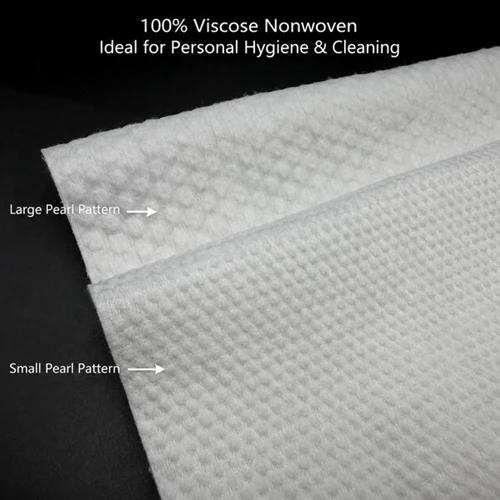
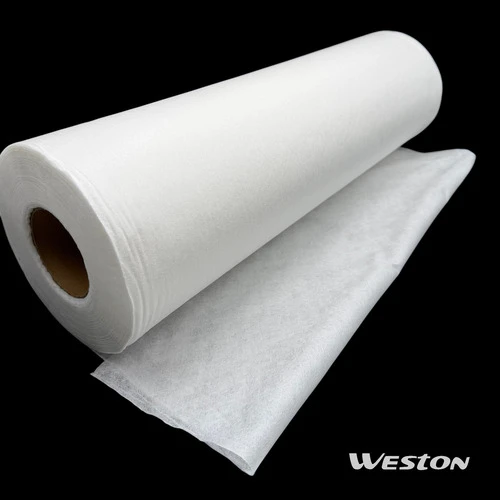
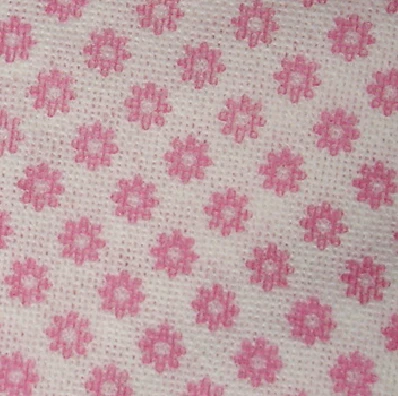
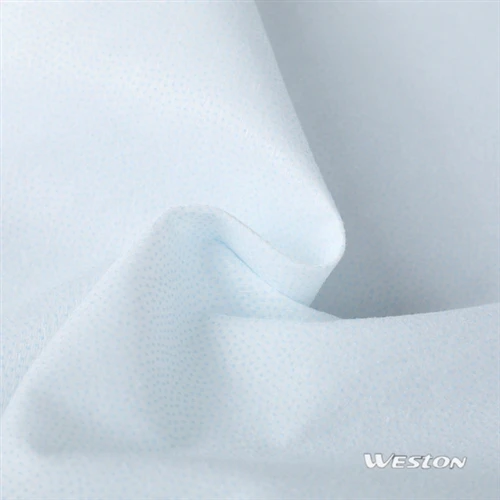
If you are exploring supply options, Weston Nonwoven offers materials designed for consistent liquid absorption and low lint. For high-traffic environments, their Floor Wipes For High Traffic Areas and Pre-moistened Mopping Cloths can be used as part of the daily routine without changing your workflow.
For free samples, you may contact
info@westonmanufacturing.com