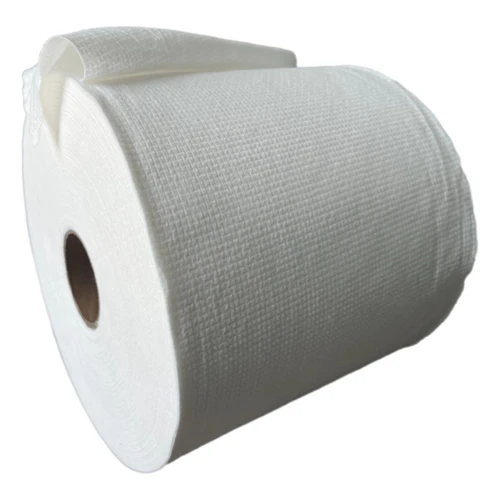
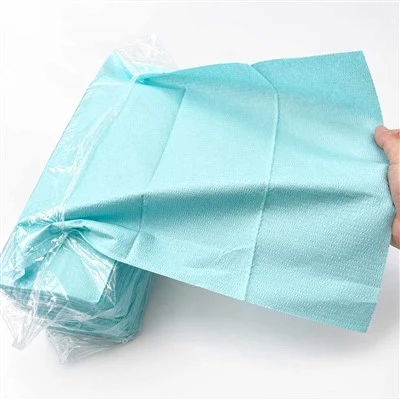
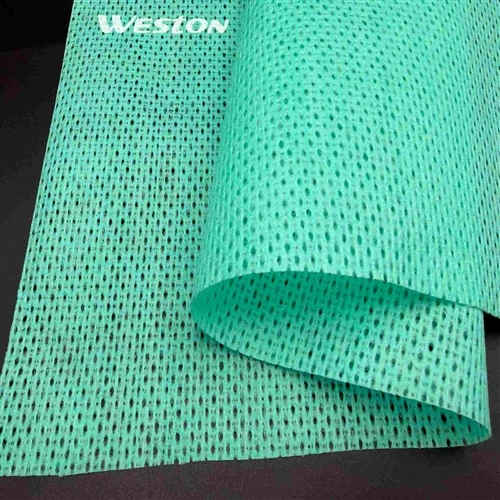
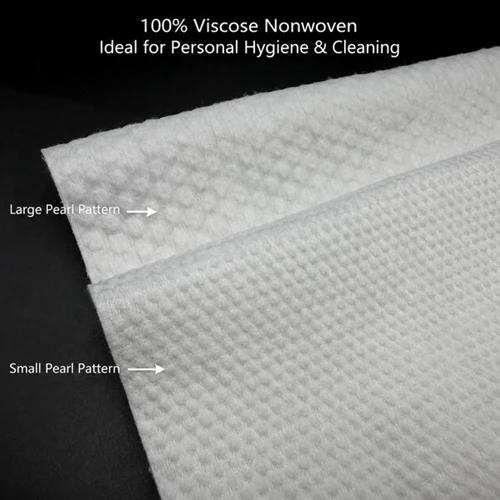
In recent years, the demand for environmentally friendly products has surged, prompting industries to reconsider their materials and practices. Among these products, Viscose Polish Wipes have emerged as a popular choice, especially in sectors such as automotive and food safety. However, a critical question persists: Are these wipes truly biodegradable? This article delves into the characteristics of viscose, the implications of its use in wipes, and how Weston Nonwoven's offerings, including Automotive Workshop Spunlace Degreasing Rags and Food Grade Disinfectant Wipes, align with sustainability goals.

Understanding Viscose
Viscose is a semi-synthetic fiber derived from natural cellulose, typically sourced from wood pulp. The manufacturing process involves dissolving cellulose in a chemical solution to create a viscous solution, which is then extruded to form fibers. This transformation from natural to synthetic raises questions about the biodegradability of the final product.
Biodegradability of Viscose
Biodegradable materials are those that can decompose naturally through the action of living organisms, primarily microorganisms. Viscose fibers, being cellulose-based, possess the potential for biodegradability. When disposed of in an appropriate environment, viscose can break down into natural components within a few months to a couple of years, depending on conditions such as moisture, temperature, and the presence of microorganisms.
However, the biodegradability of Viscose Polish Wipes is influenced by several factors:
Additives and Treatments: Many wipes undergo treatments to enhance durability, moisture retention, or antimicrobial properties. These additives can hinder biodegradation, complicating the environmental profile of the product.
Disposal Methods: The manner in which wipes are disposed of plays a pivotal role in their biodegradability. Composting or disposing of wipes in a landfill can yield different outcomes, with composting generally promoting faster decomposition.
Environmental Conditions: Temperature, humidity, and microbial activity are crucial for the biodegradation process. In optimal conditions, viscose can decompose efficiently, while adverse conditions may prolong its breakdown.
The Role of Weston Nonwoven's Products
Weston Nonwoven is committed to producing high-quality wipes that not only meet performance standards but also align with sustainability principles. Our Automotive Workshop Spunlace Degreasing Rags and Food Grade Disinfectant Wipes exemplify this commitment.
Automotive Workshop Spunlace Degreasing Rags
In automotive workshops, cleanliness is paramount. Spunlace technology combines strength with softness, making these rags ideal for degreasing tasks. Unlike traditional rags, our spunlace rags are designed to absorb oils and contaminants efficiently while remaining gentle on surfaces. Furthermore, their cellulose-based composition enhances their biodegradability, allowing for a more environmentally responsible disposal option.

Food Grade Disinfectant Wipes
Food safety is non-negotiable in the food industry. Our Food Grade Disinfectant Wipes are engineered to meet stringent safety standards while providing effective sanitation. Made from high-quality viscose, these wipes are not only safe for food contact but also designed to break down more easily than synthetic alternatives. This dual focus on performance and environmental responsibility positions Weston Nonwoven as a leader in sustainable wipe solutions.
Advantages and Disadvantages of Viscose Wipes
Advantages
Sustainability: Viscose wipes offer a more sustainable option compared to purely synthetic alternatives, particularly when sourced from responsibly managed forests.
Softness and Absorbency: The natural fibers in viscose provide exceptional softness, making these wipes ideal for sensitive applications, such as personal care and food handling.
Versatility: Viscose wipes are suitable for various applications, including automotive, household, and industrial uses, providing a broad market appeal.
Biodegradability: With proper disposal methods, viscose wipes can decompose naturally, reducing their environmental impact compared to non-biodegradable options.
Disadvantages
Chemical Treatments: As noted earlier, the treatments applied to enhance durability can negatively affect biodegradability and pose environmental concerns.
Moisture Sensitivity: Viscose can be more susceptible to degradation when exposed to moisture for extended periods, impacting its effectiveness in certain applications.
Disposal Awareness: Users may lack awareness of proper disposal methods, potentially leading to environmental issues if wipes are discarded irresponsibly.
Durability Concerns: While viscose has a soft texture, it may not always match the durability of synthetic materials in high-demand settings, necessitating careful consideration of application needs.
The Future of Viscose Wipes
As consumers and industries increasingly prioritize sustainability, the future of Viscose Polish Wipes appears promising. Enhanced production processes, along with growing awareness of the environmental impact of waste, are likely to drive innovation in this sector. Companies like Weston Nonwoven are at the forefront, continuously seeking ways to improve the sustainability of their products while maintaining high performance standards.
Innovations in Biodegradable Wipe Technology
Research and development in biodegradable materials are advancing. Innovations such as bio-based additives and sustainable sourcing practices are being explored to further enhance the environmental profile of viscose wipes. By investing in these technologies, Weston Nonwoven aims to lead the shift toward greener products without compromising on quality.
Consumer Education and Responsibility
For the potential of biodegradable wipes to be fully realized, consumer education is essential. Understanding the importance of proper disposal methods, such as composting or recycling, can significantly impact the effectiveness of biodegradable products. Weston Nonwoven is committed to raising awareness about responsible usage and disposal, empowering consumers to make informed choices.
The Impact of Viscose Wipes on the Environment
The environmental impact of wipes extends beyond their biodegradability. It encompasses the entire lifecycle, from raw material sourcing to production, usage, and disposal. Analyzing these stages can provide a clearer picture of the overall sustainability of Viscose Polish Wipes.
Raw Material Sourcing
The sustainability of viscose begins with sourcing. Responsibly managed forests ensure that the cellulose used in viscose production does not contribute to deforestation or habitat destruction. Companies committed to sustainable practices can ensure that their viscose fibers are sourced ethically, minimizing environmental harm.
Production Processes
The manufacturing process of viscose involves chemical treatments that can potentially impact the environment. However, advancements in technology are leading to greener production methods that reduce chemical usage and waste. Weston Nonwoven is dedicated to refining these processes, aiming to lower the ecological footprint of its wipes.
Usage and Consumer Behavior
Consumer behavior plays a critical role in the environmental impact of wipes. The convenience of single-use products often leads to increased waste. By promoting the benefits of biodegradable options and encouraging responsible usage, companies can help shift consumer habits towards more sustainable practices.
Disposal Practices

Disposal practices significantly affect the biodegradability of wipes. Encouraging users to dispose of wipes in composting facilities or through responsible waste management can enhance their environmental benefits. Education campaigns that inform consumers about proper disposal methods are essential for maximizing the sustainability of viscose wipes.
Weston Nonwoven's Commitment to Sustainability
Weston Nonwoven is dedicated to advancing sustainability in the wipes industry. Our products are designed with both performance and environmental responsibility in mind. By prioritizing biodegradable materials and sustainable production processes, we aim to set a standard for the industry.
Continuous Improvement
Weston Nonwoven is committed to continuous improvement in sustainability practices. This involves regular assessments of our sourcing, production, and disposal methods to identify areas for enhancement. By staying abreast of technological advancements and industry trends, we can ensure that our products meet the evolving needs of consumers and the planet.
Collaboration and Partnerships
Collaborating with environmental organizations and industry stakeholders is crucial for advancing sustainability goals. By sharing knowledge and resources, we can collectively address the challenges facing the wipes industry. Weston Nonwoven actively seeks partnerships that align with our commitment to sustainability, fostering innovation and positive change.
Consumer Engagement
Engaging consumers in the conversation about sustainability is vital. By providing information about the benefits of biodegradable products, responsible disposal methods, and the importance of sustainable practices, Weston Nonwoven empowers consumers to make choices that benefit both their needs and the environment.
The Broader Implications of Biodegradable Wipes
The adoption of biodegradable wipes has broader implications for environmental health and sustainability. As consumers increasingly demand eco-friendly products, the industry must respond by shifting towards materials and practices that prioritize the planet.
Reducing Plastic Waste
One of the most pressing environmental concerns is plastic waste. Traditional wipes, often made from synthetic materials, contribute significantly to landfill pollution. By choosing biodegradable options like Viscose Polish Wipes, consumers can help mitigate this issue, reducing the volume of non-degradable waste.
Promoting Circular Economy
Biodegradable wipes align with the principles of a circular economy, where products are designed to be reused, recycled, or composted. This approach minimizes waste and maximizes resource efficiency. Weston Nonwoven's commitment to biodegradable materials supports the transition towards a more sustainable economic model.
Encouraging Sustainable Practices
The demand for biodegradable wipes can drive innovation in the entire industry. As companies respond to consumer preferences for sustainability, they may invest in research and development to create greener alternatives and improve existing products. This ripple effect can lead to a broader shift in manufacturing practices across various sectors.
Final Thoughts
The potential of Viscose Polish Wipes extends beyond their immediate utility. With a focus on sustainability, performance, and responsible practices, Weston Nonwoven is leading the way in redefining the wipes industry. By choosing biodegradable options and promoting responsible usage, consumers can play an active role in fostering a more sustainable future. For more information on our products, including Automotive Workshop Spunlace Degreasing Rags and Food Grade Disinfectant Wipes, please contact us at info@westonmanufacturing.com. Together, we can elevate the standards of cleanliness and environmental responsibility.