Can Washcloths Irritate Skin?
A Practical Guide to Choosing and Using Washcloths for Healthy Skin
Washcloths feel like the most harmless object in the bathroom - soft, familiar, and part of nearly everyone's daily routine. Yet dermatologists regularly see cases where the culprit behind a stubborn rash, persistent redness, or an unexplained breakout turns out to be a washcloth. Understanding why this happens, and how to prevent it, can make the difference between a cleansing routine that supports your skin barrier and one that quietly undermines it.
Understanding Washcloth-Related Skin Irritation
What Does "Irritation" Actually Mean?
In the context of everyday washing, skin irritation refers to a disruption of the outermost layer of skin - the stratum corneum - that leaves it less able to retain moisture and defend against external aggressors. It's typically caused by a combination of mechanical friction, chemical exposure, and moisture imbalance. The most common symptoms include redness, a tight or "stripped" feeling after washing, mild burning, itching, and patches of dryness or flaking. These signs are your skin's way of signaling that its barrier has been compromised, even if the damage seems minor at first.
Who Is Most at Risk?
Not everyone reacts to washcloths the same way. People with sensitive skin, eczema, rosacea, or active acne tend to have a thinner or already-compromised barrier, making them far more susceptible to friction-related irritation. Babies and elderly individuals are also higher-risk groups: infant skin is still developing its protective functions, while aging skin naturally loses collagen, elasticity, and lipid content, making it more fragile and slower to heal.

Common Causes of Skin Irritation from Washcloths
Material-Related Factors
The texture of the fabric matters more than most people realize. Rough fibers and abrasive weaves create micro-tears in the skin's surface with every pass. Low-quality cotton or synthetic blends often have inconsistent fiber diameters, meaning some threads are coarser than others. Chemical residues left over from dyeing, bleaching, or finishing processes can also react with skin, especially in people prone to contact dermatitis.
Usage Habits That Damage Skin
Even a soft washcloth can cause harm if used incorrectly. Over-scrubbing or applying too much pressure disrupts the barrier regardless of fabric quality. Using a washcloth too frequently on already sensitive or inflamed areas compounds the problem, and combining a harsh, stripping cleanser with mechanical friction essentially doubles the irritant load on the skin.
Hygiene and Maintenance Issues
A damp washcloth left hanging in a humid bathroom is an ideal environment for bacteria and mold. Over a few uses, washcloths accumulate dead skin cells, excess oil, and leftover cleanser - all of which can be reintroduced to the skin on the next use. Infrequent replacement of reusable washcloths only accelerates this contamination cycle.
Environmental and Individual Factors
Hot water feels soothing but strips away the natural oils that keep skin supple, leaving it more vulnerable to friction. Hard water, common in many regions, deposits minerals that can interact with both fabric fibers and skin, sometimes leaving a residue that dries the skin further. On top of all this, individual skin conditions determine how much friction a person can tolerate before irritation sets in.
Different Types of Washcloth Materials and Their Skin Impact
Traditional Cotton Washcloths
Cotton remains the most widely used washcloth material because it's absorbent, breathable, and generally gentle. However, at lower thread counts the weave can feel coarse, and if not dried thoroughly between uses, cotton's absorbency becomes a liability by holding onto moisture that supports bacterial growth.
Microfiber Washcloths
Microfiber washcloths use extremely fine synthetic fibers that lift dirt and oil with minimal pressure, making them efficient cleansers. Quality varies significantly across brands, though, and some microfiber textures can feel "grabby" or tug at very dry or already-compromised skin.
Nonwoven Washcloths
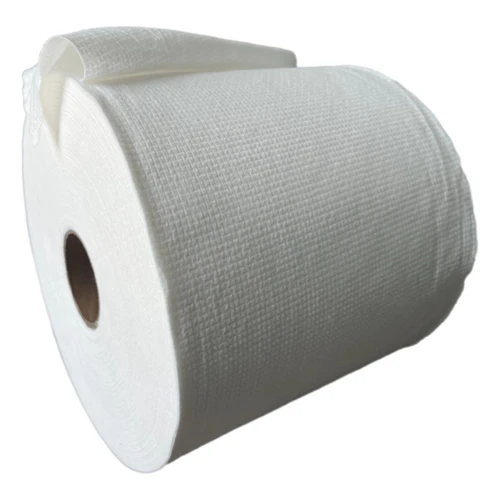
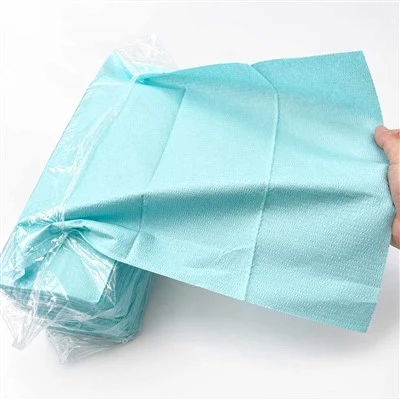
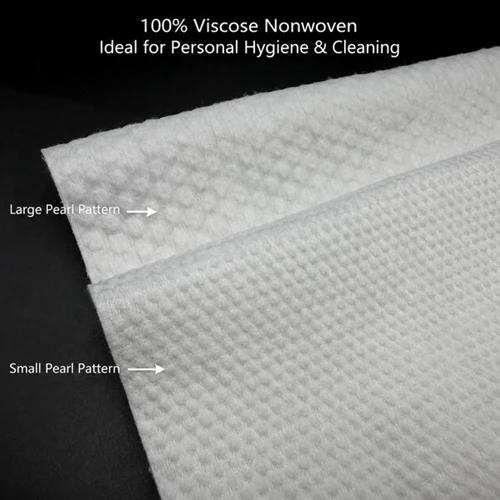
Nonwoven fabrics are engineered directly from fibers bonded together - rather than woven or knitted - which gives them a notably smooth, uniform surface. This structure tends to produce low-lint, gentle contact with consistent softness from piece to piece, making nonwoven washcloths well suited to hygienic or single-use applications. Performance still depends heavily on the specific fiber type and production technology used, so not all nonwoven products perform equally.
Specialty and Sensitive-Skin Washcloths
For people who need an extra margin of gentleness, specialty washcloths made from bamboo, modal, or other soft botanical fibers are designed specifically to minimize friction. Many of these also come in fragrance-free and dye-free formulations, reducing the chemical exposure that can trigger contact irritation in sensitive users.
How to Choose a Skin-Friendly Washcloth
Key Criteria for Sensitive or Easily Irritated Skin
When shopping for a washcloth that won't aggravate sensitive skin, prioritize softness and surface smoothness first. Thickness and density matter too - a washcloth that's too thin can feel scratchy, while one that's overly dense may retain excess moisture. Look for low-lint, low-friction fabrics that are less likely to shed fibers into pores or catch on delicate skin.
What to Look for in Product Descriptions
Product labels can tell you a lot before you ever touch the fabric. Check the fiber type - high-quality cotton, fine microfiber, or nonwoven blends each behave differently on skin. Claims like "hypoallergenic," "fragrance-free," and "dye-free" are useful signals, and any mention of gentle finishing processes or third-party safety testing is a good sign that the manufacturer has skin sensitivity in mind.
When to Consider Nonwoven Options
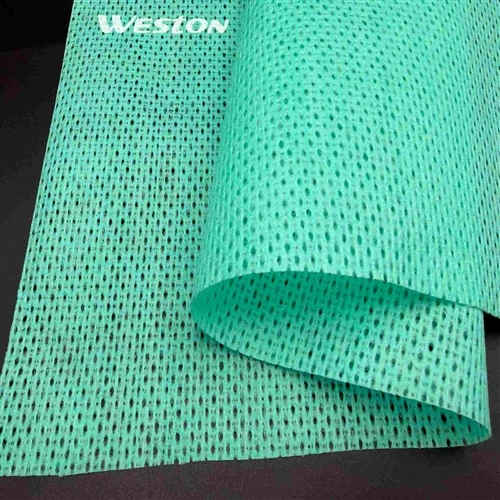
Nonwoven washcloths shine in situations that demand high hygiene standards - travel, hospital settings, or any environment where cross-contamination is a concern. They're also a smart choice for anyone who wants a consistently soft, low-irritation cloth without the maintenance burden of reusable fabric. Manufacturers such as the Weston Nonwoven factory supply nonwoven washcloth solutions produced under controlled conditions for stable, consistent quality, which is part of why nonwoven options have become popular among brands formulating for sensitive-skin users. Weston's production line spans a range of plant-based and engineered fibers - including bamboo fiber, full cotton, PLA, bamboo charcoal, and lyocell - allowing finished cleansing products to be tailored in material composition, basis weight (gsm), and packaging format, as well as customized for a softer hand-feel depending on the intended user group, whether that's babies, sensitive-skin adults, or general household use.

Best Practices for Using Washcloths Without Irritating Skin
Gentle Daily Use Techniques
The goal is to let the cleanser do most of the work, not the fabric. Use light pressure and keep contact time on any one area brief. Favor gentle circular motions over aggressive back-and-forth scrubbing, and make sure the cleanser you're using is appropriate for both your skin type and the washcloth material - pairing a foaming, stripping cleanser with a textured cloth is often where irritation starts.
Adjusting Frequency and Routine
Facial skin generally tolerates washcloth use less often than body skin, since facial skin is thinner and more exposed. If you notice your face reacting poorly to daily washcloth cleansing, consider switching to hand-cleansing on alternating days. Pay attention to early warning signs - persistent redness, tightness, or small breakouts along the area you cleanse - as cues that your skin needs a break from mechanical exfoliation altogether.
Cleaning, Disinfecting, and Replacing Washcloths
Proper Washing and Drying Methods
Wash reusable cloths in warm (not scalding) water with a mild, residue-free detergent, and rinse thoroughly to avoid leaving behind any cleaning agents that could irritate skin on the next use. Just as important is drying: washcloths should be fully dried between uses, ideally in direct air or sunlight, to prevent the damp conditions that encourage microbial growth.
How Often to Replace Washcloths
As a general guideline, reusable washcloths should be replaced every one to three months, though heavy daily use may shorten that window. Watch for warning signs that a cloth is no longer skin-safe: a persistent musty odor, unusual stiffness, or visible discoloration. This is another area where disposable or limited-use nonwoven washcloths offer a practical advantage - because they're used once (or a limited number of times) and discarded, there's no window for bacterial buildup to occur.
Special Considerations for Sensitive and Problem Skin
For Acne-Prone Skin
Friction can spread acne-causing bacteria across the face and further inflame existing lesions, so a lighter touch is essential. It's worth keeping separate washcloths for the face and body to avoid cross-contamination, and during active flare-ups, some dermatologists recommend skipping washcloths altogether in favor of hand-cleansing.
For Eczema, Dermatitis, and Compromised Skin Barriers
Skin affected by eczema or dermatitis needs the gentlest materials available and lukewarm - never hot - water. Mechanical exfoliation of any kind should be minimized, and washcloth choice and frequency should ideally be discussed with a dermatologist so it aligns with any prescribed treatment plan.
For Babies and Elderly Skin
Both ends of the age spectrum call for extra-soft fabrics and minimal pressure. Because their skin barriers are more fragile, higher hygiene standards apply as well - more frequent replacement, or a switch to nonwoven single-use cloths, can reduce risk. It's also wise to avoid fragranced products and strong detergents on any washcloth intended for a baby or an elderly person's skin. In this category, purpose-made Sensitive Skin Washcloths are often formulated specifically with these lower-tolerance users in mind, prioritizing softness and minimal chemical exposure over other performance features.
A Note on Facial Wipes and Makeup Removal
Nonwoven technology isn't limited to washcloths. The same engineering principles - fine fiber bonding, controlled basis weight, and low-lint surfaces - are also behind products like Exfoliating Facial Wipes and plain-water cleansing wipes used for makeup removal. These pure-water wipes rely on the mechanical texture and absorbency of the nonwoven substrate itself, rather than added chemical surfactants, to lift makeup and light debris, which can make them a gentler alternative for people who react to traditional micellar or foaming cleansers.
FAQs: Washcloths and Skin Irritation
Can washcloths cause long-term damage to the skin barrier?
Repeated, excessive friction combined with harsh cleansers can gradually thin the skin's protective barrier over time, leading to chronic dryness or heightened sensitivity - though this is generally reversible once gentler habits are adopted.
Is it better to wash the face with hands or a washcloth?
For most people, hands offer the lowest-friction option and are preferable for daily facial cleansing, especially for sensitive or acne-prone skin. A soft washcloth can still be used occasionally for a deeper cleanse, as long as pressure stays light.
What is the safest way to use washcloths on sensitive or allergy-prone skin?
Choose a soft, fragrance-free, dye-free material, use lukewarm water, apply minimal pressure, and replace or thoroughly dry the cloth between each use to avoid reintroducing irritants or bacteria.
Are disposable nonwoven washcloths better for hygiene than traditional cotton ones?
For single-use or short-term use, disposable nonwoven cloths largely eliminate the contamination risk that comes with reused, damp cotton washcloths, making them a strong option in hygiene-sensitive situations like travel or hospital care.
How can I tell if my washcloth material is contributing to redness or dryness?
If redness, tightness, or flaking consistently appears in the exact area you cleanse - and improves when you switch to hand-washing for a few days - the washcloth's material or your usage habits are the most likely cause.