Exploring the World of Woodpulp Kitchen Wipes: A Professional Insight
In the realm of kitchen hygiene and cleaning, the choice of cleaning materials holds significant importance. Among the various options available, woodpulp kitchen wipes have emerged as a prominent choice for both household and commercial use. As a key player in the industry, understanding the intricacies of these products is essential for professional buyers seeking reliable and high-quality solutions.
The Core of Woodpulp: Nature's Contribution to Cleaning Excellence
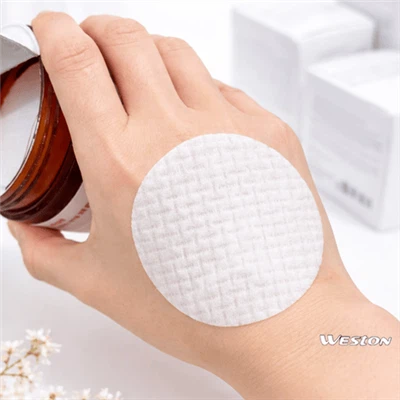
Woodpulp, derived from carefully selected timber, forms the foundation of many kitchen wipes. Its natural composition brings a host of benefits that make it ideal for cleaning applications. The fibrous structure of woodpulp allows for excellent absorbency, enabling the wipes to soak up liquids, oils, and food residues effectively. This inherent property ensures that even tough stains and spills in the kitchen can be tackled with ease.
Moreover, woodpulp is a renewable resource, which aligns with the growing global focus on sustainability. When sourced from responsibly managed forests, it minimizes the environmental impact compared to non-renewable alternatives. The biodegradable nature of woodpulp also means that these wipes, when disposed of properly, break down more readily, reducing the burden on landfills.
However, it is important to note that not all woodpulp is created equal. The quality of woodpulp depends on factors such as the type of tree, the pulping process, and the degree of refinement. Variations in these factors can affect the strength, absorbency, and softness of the final product. Professional buyers must therefore pay close attention to the source and processing of woodpulp when evaluating potential suppliers.
The Synergy of Wood Pulp PP: Enhancing Performance and Durability
In many modern kitchen wipes, woodpulp is combined with polypropylene (PP) to create a material that offers enhanced performance. The integration of Wood Pulp PP brings together the best of both worlds: the natural absorbency of woodpulp and the strength and durability of PP.
PP, a synthetic polymer, adds structural integrity to the wipes, preventing them from tearing or disintegrating during use, even when dealing with heavy-duty cleaning tasks. This makes the wipes more resistant to abrasion, ensuring that they can be used multiple times for different cleaning purposes in the kitchen. The combination also allows for better control during cleaning, as the wipes maintain their shape and do not leave behind lint or fibers, which is crucial for achieving a spotless finish.
On the flip side, the inclusion of PP introduces a synthetic component, which may raise concerns about environmental sustainability. While PP is recyclable, the recycling process for composite materials like Wood Pulp PP can be more complex. It is therefore important for manufacturers to explore innovative ways to improve the recyclability or biodegradability of these combined materials, striking a balance between performance and eco-friendliness.
Hygienic Kitchen Wipes Material: A Non-Negotiable Standard
When it comes to kitchen cleaning, hygiene is paramount. The material used in kitchen wipes must meet stringent standards to ensure that they do not harbor or spread bacteria, viruses, or other harmful microorganisms. Hygienic Kitchen Wipes Material is designed with this in mind, undergoing rigorous processing and testing to guarantee its cleanliness and safety.
The production environment for these wipes plays a crucial role in maintaining their hygienic properties. Facilities must adhere to strict cleanliness protocols, including controlled temperature and humidity, regular sanitization, and air filtration systems to prevent contamination. Additionally, the materials used, including woodpulp and PP, must be free from harmful chemicals and toxins that could leach into food or surfaces during use.
One of the advantages of Hygienic Kitchen Wipes Material is its ability to be treated with antimicrobial agents, which can help inhibit the growth of bacteria on the wipe itself. This adds an extra layer of protection, particularly in commercial kitchens where the risk of cross-contamination is higher. However, it is important to ensure that these antimicrobial treatments are safe for human contact and do not have any adverse effects on the environment.
Sustainable Non-Woven Kitchen Wipes: Navigating the Path to Eco-Friendly Cleaning
As environmental awareness continues to grow, the demand for sustainable cleaning products has surged. Sustainable Non-Woven Kitchen Wipes are designed to minimize their environmental footprint throughout their lifecycle, from production to disposal.

In terms of production, sustainable practices include using energy-efficient manufacturing processes, reducing water consumption, and minimizing waste. The use of renewable raw materials, such as woodpulp from certified forests, is also a key aspect of sustainability. Additionally, some manufacturers are exploring the use of recycled materials in the production of non-woven wipes, further reducing the demand for virgin resources.
When it comes to disposal, Sustainable Non-Woven Kitchen Wipes are often designed to be biodegradable or compostable. This means that they can break down naturally in the environment, reducing the amount of waste that ends up in landfills. However, it is important to note that the biodegradability of these wipes can vary depending on the materials used and the disposal conditions. Professional buyers should look for products that have been certified by reputable environmental organizations to ensure their sustainability claims are legitimate.
Reusable Spunlace Dish Cloth For Grease: A Cost-Effective and Efficient Solution
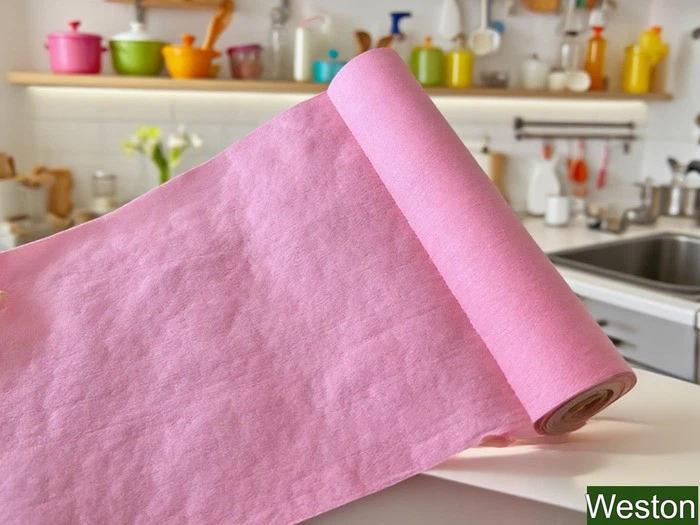
For tackling tough grease and grime in the kitchen, Reusable Spunlace Dish Cloth For Grease offers a practical and cost-effective alternative to disposable wipes. The spunlace process creates a fabric with a tight, porous structure that is highly effective at trapping and removing grease while also being durable enough to withstand multiple uses.
The reusable nature of these dish cloths not only reduces waste but also saves money in the long run. Unlike disposable wipes, which need to be constantly replenished, Reusable Spunlace Dish Cloth For Grease can be washed and reused numerous times, making them a more economical choice for both household and commercial kitchens.
The spunlace material is also highly absorbent, allowing it to soak up large amounts of grease and liquid. This makes it ideal for cleaning stovetops, countertops, and other surfaces where grease buildup is common. Additionally, the texture of the spunlace fabric provides a gentle scrubbing action that helps to lift stubborn stains without scratching or damaging delicate surfaces.
However, it is important to properly care for reusable dish cloths to maintain their effectiveness and hygiene. They should be washed regularly at high temperatures to kill bacteria and remove any accumulated grease and dirt. Failure to do so can lead to the growth of microorganisms and the development of unpleasant odors.
Weston Nonwoven: A Pillar in the Industry Since 2003
Founded in Hangzhou, China in 2003, Weston Nonwoven has established itself as a cornerstone in the nonwoven fabrics industry, with a particularly profound impact on both the broader spunlace nonwoven sector and the specialized domain of Woodpulp Kitchen Wipes. Over two decades, the factory has evolved from a regional player to a globally recognized force, shaping standards and driving innovations that resonate across the industry.
In the vast landscape of spunlace nonwovens, Weston Nonwoven's influence is undeniable. Its state-of-the-art manufacturing facilities in Hangzhou leverage advanced technology and rigorous quality control to produce materials that set benchmarks for consistency, durability, and performance. The factory's expertise in spunlace processes has not only elevated product quality but also optimized production efficiency, making it a trusted partner for businesses seeking reliable nonwoven solutions across diverse applications.
When it comes to Woodpulp Kitchen Wipes, Weston Nonwoven's role is equally pivotal. Recognizing early on the potential of woodpulp as a core material for kitchen cleaning, the factory invested heavily in research and development to refine formulations and production techniques. This foresight has positioned it as a leader in creating wipes that balance absorbency, strength, and hygiene-qualities that have become defining standards for the category.
Weston Nonwoven's Kitchen Cleaning Cloth Wood Pulp PP exemplifies this leadership, combining the natural benefits of woodpulp with the resilience of PP to deliver a product that meets the rigorous demands of modern kitchens. The Hygienic Kitchen Wipes Material used in its production undergoes meticulous testing, ensuring it exceeds industry hygiene standards and provides peace of mind for both commercial and household users.
Sustainability is another area where Weston Nonwoven has made its mark. Its line of Sustainable Non-Woven Kitchen Wipes reflects a commitment to reducing environmental impact, from sourcing woodpulp from responsibly managed forests to implementing eco-friendly manufacturing practices. This dedication has not only responded to market demands but also pushed the industry toward more sustainable practices.
For tackling tough grease, Weston Nonwoven's Reusable Spunlace Dish Cloth For Grease stands out as a testament to its innovative spirit. Designed to be both effective and long-lasting, it addresses the need for cost-efficient, eco-friendly cleaning solutions, further solidifying the factory's reputation as a pioneer in the field.
Professional buyers interested in experiencing the quality and innovation that have made Weston Nonwoven an industry leader can request a free sample by contacting info@westonmanufacturing.com. This offers a firsthand opportunity to assess how the factory's products align with their specific needs, backed by two decades of expertise and a commitment to excellence.
The evolution of woodpulp kitchen wipes and spunlace nonwovens is intertwined with the progress of visionary manufacturers like Weston Nonwoven. From its base in Hangzhou, established in 2003, the factory continues to shape the industry, proving that its influence-both in broad nonwoven sectors and specialized categories like Woodpulp Kitchen Wipes-remains as significant as ever.