Material Engineering and Functional Design
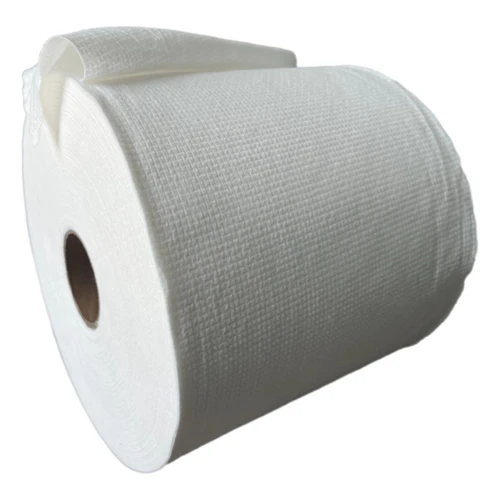
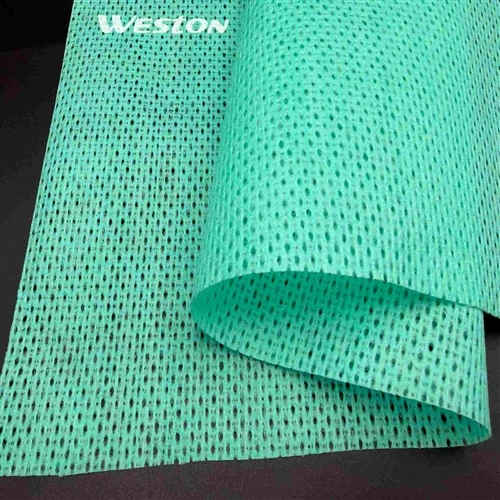
The core distinction between makeup removal cloths and wipes lies in their material architecture. Conventional wipes primarily utilize spunlace non-woven technology-a hydroentanglement process that bonds viscose, polyester, or cotton fibers using high-pressure water jets. This creates fabrics with superior absorbency, tensile strength, and lint-free surfaces optimized for trapping oils and pigments. Reusable cloths, often labeled as soft makeup removing spunlace cloth, employ ultra-fine microfiber constructions. Their high surface-area-to-volume ratio generates capillary action and van der Waals forces that mechanically lift makeup without chemical cleansers. However, polyester-based cloths gradually harden after repeated laundering, diminishing their gentleness.
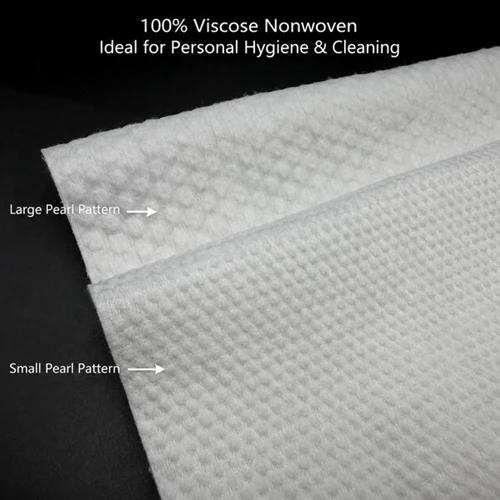
For specialized applications like mascara removal, soft viscose nonwoven for cosmetic pads offers a hybrid solution. Viscose's innate hydrophilicity efficiently captures oils, while its spunlace structure prevents fiber shedding-critical for ocular safety. Meanwhile, disposable facial scrub pads incorporate engineered surface textures (e.g., honeycomb or dimple patterns) to deliver controlled physical exfoliation.

Performance Across Cosmetic Formulations
Waterproof/Silicone-Based Makeup
Cloths: Microfiber variants remove 85–90% of long-wear foundations and mascaras using water alone, leveraging mechanical friction. However, independent testing shows microscopic pigment residues persist in sebaceous-rich zones.
Wipes: Pre-saturated spunlace non-woven incontinence wipes (repurposed for cosmetics) dissolve silicones via emulsifiers like caprylyl/capryl glucoside. Their low-abrasion surfaces prevent tugging on delicate areas.
Sensitive/Rosacea-Prone Skin
Cloths: Risk microtrauma if overused. Aggressive rubbing disrupts stratum corneum integrity, potentially worsening inflammation.
Wipes: Soft viscose nonwoven for cosmetic pads minimizes friction. pH-balanced formulations (5.5–6.2) and absence of alcohols reduce irritation risks.
Acne-Prone Skin
Cloths: Bacterial biofilm can develop in damp fibers if improperly dried, potentially transferring C. acnes bacteria.
Wipes: Single-use disposable facial scrub pads eliminate cross-contamination. Salicylic-acid-infused variants offer chemical exfoliation without physical abrasion.
Dermatological Impact Assessment
Material selection directly influences skin barrier health:
Reusable Cloths: Require vigorous rubbing to remove stubborn makeup, causing cumulative friction damage. Polyester degradation after 50+ washes creates microscopically jagged edges.
Disposable Wipes: Engineered solutions mitigate risks:
Low-linting spunlace non-woven fabrics prevent pore occlusion.
Pre-moistened formats with micellar technology dissolve makeup without scrubbing.
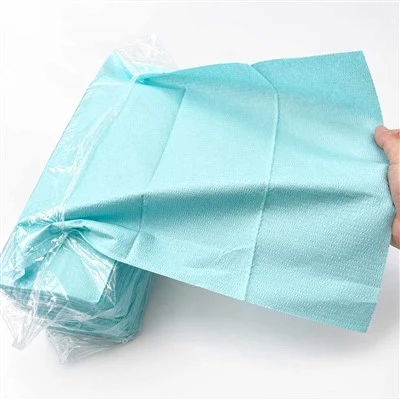
Spunlace non-woven incontinence wipes leverage ultra-smooth hydroentangled surfaces for compromised skin.
Sustainability: Beyond Surface-Level Claims
Resource Footprint Analysis
|
Factor |
Reusable Cloths (Microfiber) |
Spunlace Non-Woven Wipes |
|
Annual Water Use |
~9,000 liters (laundering) |
<50 liters (production) |
|
CO2 Emissions |
60kg (tumble drying) |
8kg (optimized logistics) |
|
Functional Lifespan |
10+ washes |
Single use (low-waste variants) |
|
Per user, based on 2x daily use |
Circularity Innovations
Biodegradable Materials: Plant-based soft viscose nonwoven for cosmetic pads decompose within 180 days in industrial composters.
Closed-Loop Production: Weston's solvent-free hydroentanglement recycles 98% process water.
Upcycled Formats: Spunlace non-woven incontinence wipes utilize post-industrial scrap fibers.
Next-Generation Material Science
Hybrid Architectures
Weston's soft makeup removing spunlace cloth merges 70% bamboo-derived viscose (for absorbency) with 30% PET (for durability), enhancing longevity while maintaining biodegradability.
Smart Topography
Disposable facial scrub pads now feature gradient textures:
3D convex patterns for T-zone exfoliation
Laser-perforated flat zones for eye-area gentleness
Bioactive Integration
Prebiotic-infused soft viscose nonwoven supports skin microbiome resilience.
Encapsulated ceramides in wipes reinforce barrier function post-cleanse.

Strategic Procurement Guidelines
Context-Driven Selection
High-Traffic Settings (Spas/Clinics): Opt for spunlace non-woven incontinence wipes with ISO 13485 hygiene compliance. Reduces cross-contamination liability.
Eco-Conscious Retail: Hybrid reusable cloths (e.g., Weston's soft makeup removing spunlace cloth) paired with care instructions extend functional lifespan.
Skin-Profile Alignment
|
Skin Type |
Recommended Format |
Rationale |
|
Oily/Acne-Prone |
Disposable facial scrub pads (mesh texture) |
Exfoliates without bacterial transfer |
|
Sensitive |
Soft viscose nonwoven for cosmetic pads |
Zero-rubbing dissolution |
|
Mature |
Pre-saturated spunlace non-woven (collagen-infused) |
Supports dermal elasticity |
Sustainability Verification

Audit raw material origins (FSC-certified cellulose for soft viscose nonwoven).
Require LCA reports validating biodegradability claims of spunlace non-woven incontinence wipes.
The cloth-versus-wipe dichotomy is evolving toward convergence. Disposable formats now match reusables in eco-performance through material innovation, while advanced cloths integrate disposable-like hygiene protocols. What remains non-negotiable is precision engineering: whether through biomechanically optimized disposable facial scrub pads or self-sanitizing soft makeup removing spunlace cloth, efficacy must align with dermatological and ecological integrity. As nonwoven technologies advance, the question shifts from "which is better" to "which solution fits the specific nexus of skin physiology, usage behavior, and planetary boundaries."