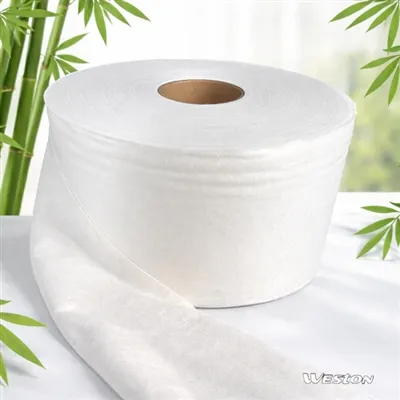
Disposable wipes are designed to be discarded after a single use, hence the term "disposable." However, whether or not they are truly disposable depends on various factors, including their composition, how they are used, and how they are disposed of.
Here are some considerations regarding the disposability of disposable wipes:
Composition: The materials used to make disposable wipes can vary widely. Some wipes are made from materials that are biodegradable or compostable, meaning they can break down naturally over time when disposed of in appropriate conditions. However, other wipes may contain synthetic materials or chemicals that are not biodegradable or take a long time to decompose.
Flushability: Some disposable wipes are marketed as flushable, meaning they can be safely flushed down the toilet. However, there is ongoing debate about the flushability of these wipes, as many of them do not break down as easily as toilet paper and can contribute to clogs and blockages in sewer systems.
Environmental Impact: Improper disposal of disposable wipes can have environmental consequences. Wipes that are not biodegradable or flushable can accumulate in landfills, contributing to waste and pollution. Those that are flushed down toilets can end up in waterways, causing environmental harm and posing risks to aquatic ecosystems.
Proper Disposal: To ensure that disposable wipes are truly disposable, it is important to dispose of them properly. This may involve throwing them in the trash if they are not flushable or compostable. If wipes are marketed as flushable, it is crucial to follow the manufacturer's instructions and only flush them if they are compatible with the plumbing system.
Alternative Options: In some cases, reusable alternatives to disposable wipes may be more environmentally friendly. For example, reusable cloth wipes can be washed and reused multiple times, reducing waste and environmental impact. However, disposable wipes may still have advantages in certain situations, such as when hygiene or convenience is a priority.