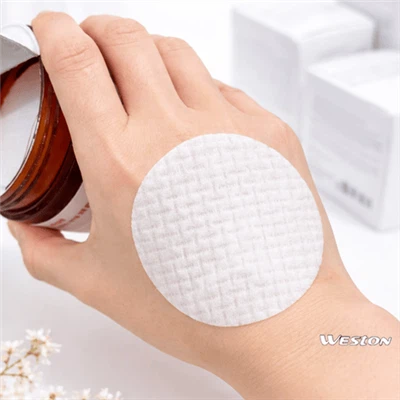
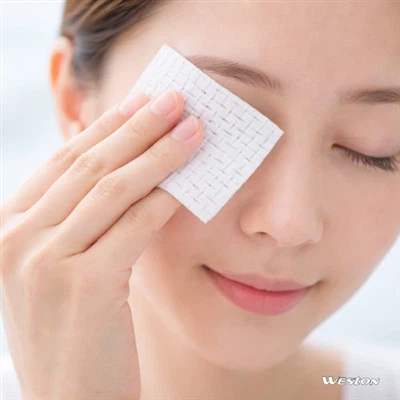
What Is Spunbonded Nonwoven Fabric?
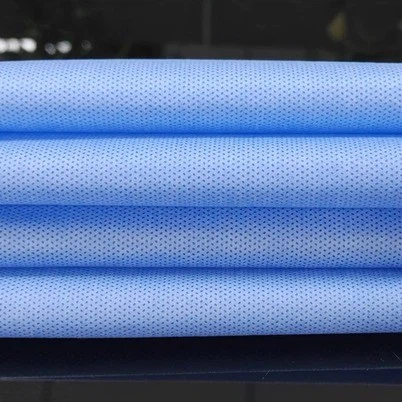
Spunbonded nonwoven fabric is a sheet of continuous synthetic fibers manufactured directly from molten polymer into a usable textile without weaving or knitting. During production, polymer pellets-commonly polypropylene (PP), polyester (PET), or polyethylene (PE)-are melted, extruded into continuous filaments, and laid into a web structure that is bonded into fabric.
The result is a lightweight, durable, breathable, and cost-effective material widely used in medical, hygiene, industrial, agricultural, and packaging applications. Spunbond nonwoven fabrics offer an excellent balance between strength and softness, making them suitable for both protective and consumer-oriented products.
Because the manufacturing process enables rapid and uniform production, spunbonded fabrics are highly economical for large-scale applications requiring consistency and performance.
How Spunbonding Works
1. Polymer Melting & Extrusion
Thermoplastic polymer pellets are heated until molten and forced through precision spinnerets to create continuous synthetic filaments.
2. Drawing & Cooling
The filaments are stretched to orient the polymer molecules, improving tensile strength and durability. The fibers are then cooled to stabilize their physical properties.
3. Web Formation
The continuous filaments are distributed onto a moving conveyor belt in a semi-random arrangement, forming a loose fiber web.
4. Bonding Process
The web is bonded using thermal point bonding, calendar bonding, or pressure bonding methods. Heat and pressure fuse the fibers together at contact points to create structural integrity and fabric strength.
5. Finishing Treatments
Additional finishing processes may include:
Lamination
Coating
Printing
Hydrophobic treatments
Softening treatments
These processes improve performance characteristics such as liquid repellency, softness, printability, or barrier protection.
Common Polymers Used in Spunbond Nonwoven Fabric
|
Polymer Type |
Key Advantages |
Common Applications |
|
Polypropylene (PP) |
Lightweight, economical, chemically stable |
Medical gowns, masks, packaging |
|
Polyester (PET) |
Higher heat resistance, UV stability, dimensional strength |
Geotextiles, industrial fabrics |
|
Polyethylene (PE) |
Moisture resistance, soft hand feel |
Hygiene products, specialty covers |
The polymer selection depends on the required balance between cost, durability, temperature resistance, chemical exposure, and end-use performance.
Key Properties of Spunbonded Nonwoven Fabric
Strength & Tear Resistance
Spunbonded fabrics provide excellent tensile strength and mechanical durability. This makes them suitable for applications such as:
Reusable shopping bags
Industrial covers
Geotextiles
Protective apparel
Breathability
The fabric structure allows air and moisture vapor to pass through while maintaining physical protection. This is particularly valuable in:
Medical protective garments
Agricultural crop covers
Disposable apparel
Lightweight & Flexible Structure
Spunbond nonwovens can be manufactured in lightweight constructions with excellent drape and flexibility, making them ideal for disposable and portable products.
Chemical Resistance
Many spunbond polymers resist oils, solvents, and various industrial chemicals, making them suitable for demanding industrial environments.
Cost Efficiency & Production Consistency
Continuous manufacturing processes allow spunbonded nonwovens to be produced rapidly with highly consistent quality and low unit costs.
Limitations of Spunbonded Nonwoven Fabric
Limited Absorbency
Spunbonded fabrics generally have lower absorbency compared with cellulosic nonwovens or wiping-grade materials. For applications requiring liquid absorption, additional absorbent layers are often combined with spunbond structures.
Heat Sensitivity
Polypropylene-based spunbond fabrics can deform or melt when exposed to high temperatures or hot surfaces.
Larger Pore Structure
Single-layer spunbond materials typically have larger pore sizes than meltblown or electrospun materials, making them less suitable for ultra-fine filtration applications.
Typical Applications of Spunbond Nonwoven Fabric
Hygiene & Medical Products
Spunbond nonwovens are widely used in:
Surgical gowns
Medical drapes
Face mask layers
Disposable caps
Protective medical apparel
Their combination of breathability, barrier protection, and low cost makes them highly suitable for healthcare environments.
Protective Apparel & Industrial Covers
The material provides lightweight protection against:
- Dust
- Dirt
- Paint overspray
- Low-level liquid exposure
Applications include disposable coveralls, industrial aprons, and protective workwear.
Packaging & Shopping Bags
Spunbond fabrics are commonly used for:
Reusable shopping bags
Promotional tote bags
Protective packaging
Industrial wrapping materials
Their tear resistance and low manufacturing cost make them highly practical.
Agriculture & Landscaping
Agricultural applications include:
Crop protection covers
Frost protection fabrics
Weed control barriers
Plant growth covers
The breathable structure allows moisture and airflow while protecting crops.
Geotextiles & Construction
In construction and civil engineering, spunbond nonwovens support:
Soil stabilization
Drainage systems
Separation layers
Reinforcement applications
Their durability and cost efficiency are important advantages in large-area infrastructure projects.
Spunbond vs Other Nonwoven Technologies
When to Choose Spunbond Nonwoven
Choose spunbond fabrics when you require:
High tensile strength
Lightweight construction
Large-area coverage
Cost-effective manufacturing
Consistent material quality
When Other Nonwovens May Be Better
Meltblown or composite materials may be more suitable for:
Fine particle filtration
High absorbency
Microfiltration systems
Advanced barrier protection
SMS Composite Structures
SMS (Spunbond-Meltblown-Spunbond) composites combine:
Spunbond strength
Meltblown filtration efficiency
Improved comfort and barrier performance
These structures are widely used in medical protective products.
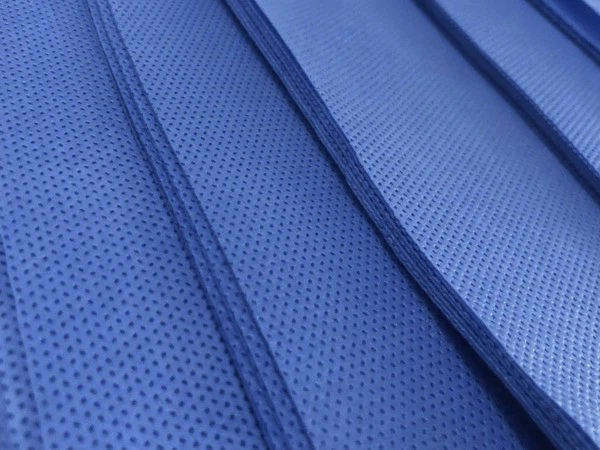
Medical Nonwovens Manufacturer - Why Weston Nonwoven Matters
Trusted Healthcare Nonwoven Supplier
Weston Nonwoven is a specialized Medical Nonwovens manufacturer focused on producing reliable spunbond materials for healthcare and hygiene applications, including:
Medical gowns
Surgical drapes
Mask substrates
Disposable protective apparel
Quality Assurance & Compliance
Weston Nonwoven designs its manufacturing systems to meet strict medical industry requirements for:
Barrier performance
Material cleanliness
Production consistency
Traceability
Product safety
Customization & High-Volume Production
We provide customized solutions including:
Polymer selection
Basis weight customization
Bonding pattern development
Surface treatment options
Medical-grade production support
Our production systems support both small development programs and large-scale commercial orders.
Technical Support & Documentation
Working with an experienced Medical Nonwovens manufacturer helps reduce sourcing risks through:
Material specifications
Compliance documentation
Testing reports
Sample programs
Technical consultation
Sustainability & Recycling Considerations
Recyclable Thermoplastic Materials
Many spunbond fabrics are produced using recyclable thermoplastics such as:
Polypropylene (PP)
Polyester (PET)
However, actual recyclability depends on local recycling infrastructure and contamination levels.
Lightweight Material Efficiency
The lightweight structure of spunbond nonwovens reduces raw material usage per square meter, helping lower transportation and material consumption impacts.
Recycled Resin & Sustainable Development
Manufacturers increasingly explore:
Recycled polymer feedstocks
Reduced-energy manufacturing
Sustainable packaging
Material recovery programs
When sourcing products, buyers should ask suppliers about recycled content availability and sustainability initiatives.
Practical Buying Tips for Spunbond Nonwoven Fabric
Specify Polymer Type & Basis Weight
Clearly define:
Polymer composition
GSM (g/m²)
Thickness requirements
Mechanical strength expectations
These factors strongly influence final product performance.
Evaluate Bonding Methods & Surface Treatments
Bonding technology and surface finishes affect:
Breathability
Repellency
Softness
Durability
Printability
Always confirm processing details before purchasing.
Verify Medical & Hygiene Certifications
For healthcare or hygiene applications, confirm:
Barrier performance testing
Bacterial filtration data
Viral penetration testing
Relevant certifications and compliance standards
Request Samples & Conduct Real-World Testing
Before large-volume purchasing, test samples for:
Tensile strength
Abrasion resistance
Heat stability
Fluid resistance
Application compatibility
Work with an Experienced Medical Nonwovens Manufacturer
Partnering with an experienced supplier like Weston Nonwoven provides:
- Material traceability
- Stable production quality
- Technical guidance
- Regulatory support
- Long-term supply reliability
This helps reduce sourcing risk and improves product consistency for medical and industrial buyers.