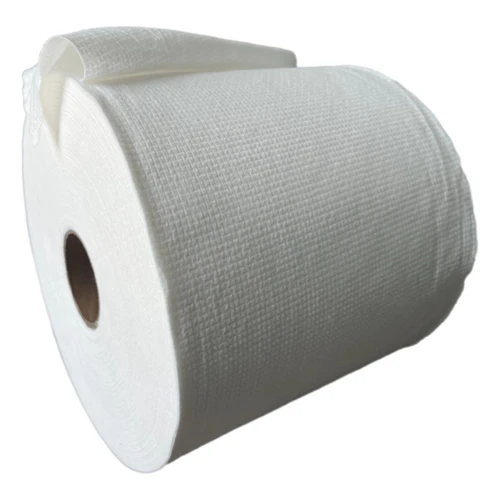
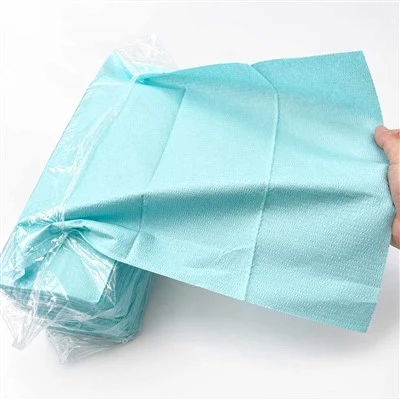
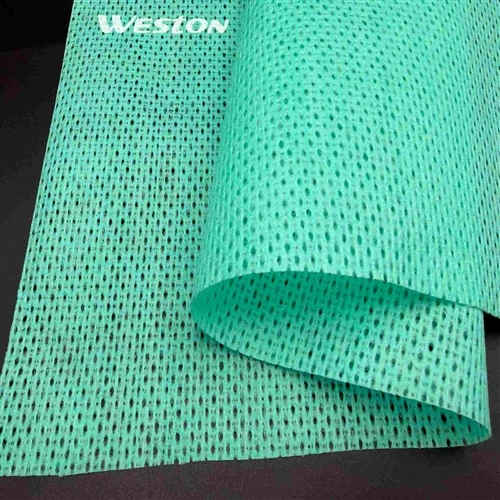
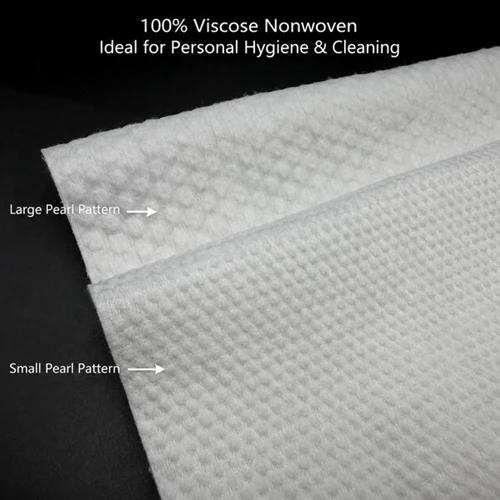
Nonwoven wound dressings are medical dressings made from nonwoven fabric materials specifically designed for the management of wounds. These dressings are used to cover and protect wounds, promote healing, and provide a conducive environment for the wound healing process. Nonwoven wound dressings offer several advantages over traditional woven dressings, including enhanced absorbency, breathability, and conformability to wound contours.
Key features of nonwoven wound dressings include:
Absorbency: Nonwoven wound dressings are highly absorbent, capable of absorbing and retaining exudate (fluid) from the wound bed. This helps to keep the wound area clean and dry, reducing the risk of infection and promoting optimal wound healing.
Breathability: Many nonwoven wound dressings are breathable, allowing air and moisture vapor to pass through the dressing while maintaining a moist wound environment. This helps to prevent the wound from drying out and promotes the migration of cells involved in the healing process.
Conformability: Nonwoven wound dressings are flexible and conformable to wound contours, providing a snug fit and minimizing the risk of dressing displacement or leakage. This ensures effective coverage and protection of the wound site, even in areas with irregular shapes or movement.
Comfort: Nonwoven wound dressings are typically soft and gentle on the skin, providing comfort for patients during wear. They are less likely to cause irritation or friction-related injuries, making them suitable for use on sensitive or fragile skin.
Sterility: Nonwoven wound dressings are available in sterile packaging to maintain aseptic conditions and minimize the risk of contamination. This ensures that the dressing is safe for use in wound care procedures and prevents the introduction of harmful microorganisms into the wound site.
Nonwoven wound dressings come in various forms and configurations, including:
Adhesive dressings: These dressings have an adhesive border or layer that adheres to the skin around the wound, providing a secure and occlusive seal.
Non-adherent dressings: These dressings have a non-adherent surface that prevents adherence to the wound bed, minimizing trauma during dressing changes.
Island dressings: These dressings consist of a nonwoven pad or island surrounded by an adhesive border, providing both absorbency and secure fixation.
Alginate dressings: These dressings are made from calcium alginate fibers derived from seaweed and are highly absorbent, suitable for heavily exuding wounds.