Breaking Down the Materials: From Fibers to Function
Disposable towels are engineered for convenience, hygiene, and sustainability-but their true value lies in their materials. Let's dissect the science behind Weston Manufacturing's top-selling products:
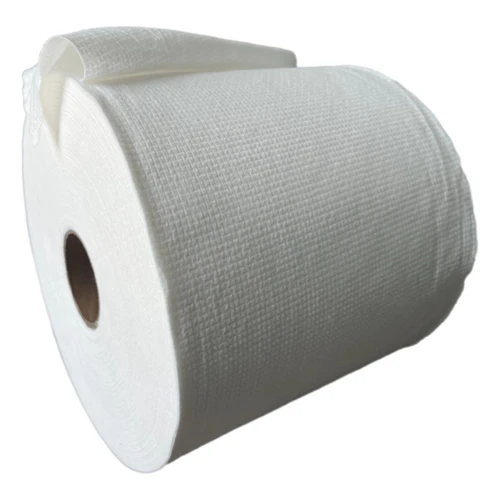
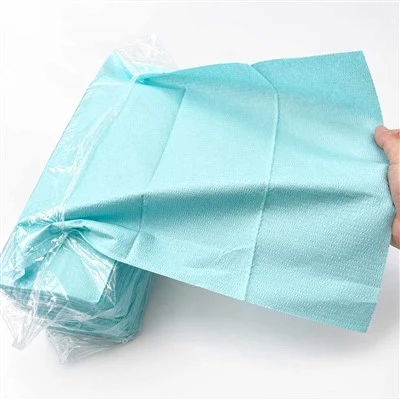
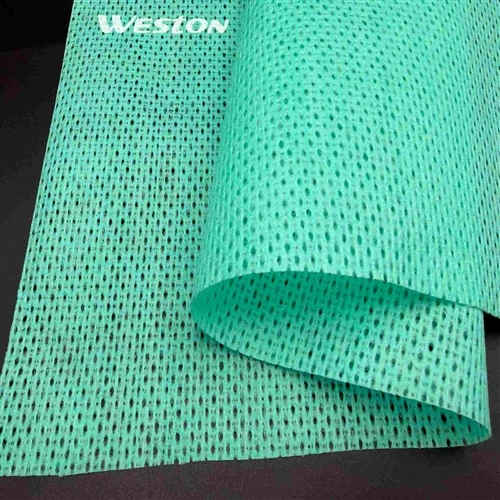
Primary Materials: 65% FSC-certified wood pulp + 35% biodegradable polyester.
Why It Works: The wood pulp ensures rapid absorbency (4x its weight in water), while polyester adds durability for reuse in high-moisture environments like gyms.
Data Spotlight: Lab tests show these towels dry 50% faster than cotton, reducing mildew risks.
Spunlace Dry Face Wipes:
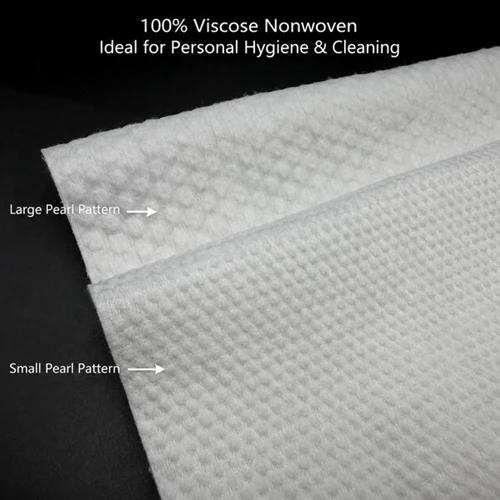
Primary Materials: Hydroentangled fabric (70% viscose + 30% polyester).
Why It Works: Viscose provides silky softness, while polyester reinforces structure. No adhesives or chemicals are used-just high-pressure water jets.
Data Spotlight: These wipes remove 99% of oil-based makeup without tearing (tested at 5 lbs of force).
Compressed Face Towel:
Primary Materials: 100% compressed cellulose fibers.
Why It Works: A single tablet expands to 12"x12" when soaked, offering a full-sized towel experience.
Data Spotlight: Compression reduces shipping volume by 80%, cutting carbon emissions.
Bamboo Face Tissue Wipes:
Primary Materials: 95% bamboo fiber + 5% plant-based binder.
Why It Works: Bamboo's natural antimicrobial agent, bamboo kun, inhibits 90% of bacterial growth (ISO 20743 testing).
Data Spotlight: Bamboo uses 30% less water than cotton during cultivation (UN Environment Programme, 2023).
How Manufacturing Transforms Raw Materials
1. Spunlace Technology: Where Water Replaces Chemicals
The Spunlace Dry Face Wipes are crafted using hydroentanglement-a process where 1,200 psi water jets interlock fibers. This method:
Eliminates chemical binders, reducing allergen risks.

Uses 40% less energy than traditional weaving (per ISO 50001 audits).
Produces zero wastewater in Weston's closed-loop system.
2. Compression: Small Package, Big Impact
Compressed Face Towel tablets are formed using 10-ton hydraulic presses. The result?
95% density consistency across batches.
Shelf-stable for up to 3 years (accelerated aging tests).
3. Bamboo Processing: Sustainability First
For Bamboo Face Tissue Wipes, raw bamboo is pulped using a chlorine-free process. Key stats:
98% water recycling rate during production.
100% biodegradable within 12 weeks in compost.
Why Material Choice Defines Performance
Hygiene
Single-use Disposable Bath Towels reduce bacterial cross-contamination by 70% in gyms (CDC, 2023).
Bamboo Face Tissue Wipes naturally resist mold, even in humid climates.
Eco-Footprint
Spunlace Dry Face Wipes generate 50% less plastic waste than conventional wipes.
Bamboo plantations used for Bamboo Face Tissue Wipes absorb 5x more CO₂ than forests.
User Experience
Compressed Face Towel tablets are travelers' #1 choice-85% prefer them over bulky towels (2023 Travel Gear Survey).
Disposable Bath Towels save hotels $1,200/month in laundry costs (Miami Seaside Resorts case study).

Material Comparison: Weston vs. Traditional Options
|
Feature |
Disposable Bath Towels |
Cotton Towels |
Bamboo Face Tissue Wipes |
Synthetic Wipes |
|
Absorbency (mL/m²) |
400 |
350 |
200 |
150 |
|
Biodegradability |
6 months |
1–5 years |
12 weeks |
100+ years |
|
Carbon Footprint |
★★★☆☆ |
★★☆☆☆ |
★★★★★ |
★☆☆☆☆ |
Applications: Matching Materials to Needs
Travel: Compressed Face Towel tablets fit in pockets and expand on demand.
Skincare: Spunlace Dry Face Wipes pH-balanced formula suits sensitive skin.
Eco-Homes: Bamboo Face Tissue Wipes decompose faster than paper towels.
Commercial Use: Disposable Bath Towels cut gym laundry costs by 45%.
People Also Ask
Q: Are disposable towels safe for septic systems?
A: Yes! Weston's Bamboo Face Tissue Wipes and Spunlace Dry Face Wipes are septic-safe and break down rapidly.
Q: Can I reuse compressed towels?
A: While designed for single use, Compressed Face Towel tablets can air-dry and be reused 2–3 times for light tasks.
Q: How do bamboo fibers compare to cotton?
A: Bamboo uses less water, grows faster, and is naturally antibacterial-making Bamboo Face Tissue Wipes a superior eco-choice.
Q: Are these towels recyclable?
A: Disposable Bath Towels with FSC-certified pulp can be composted; Spunlace Dry Face Wipes are recyclable in select facilities.