When assembling a first aid kit, many prioritize bandages, gauze, and painkillers-yet overlook a product that can mean the difference between a quick recovery and a dangerous infection: antiseptic wipes. The question "Should you have antiseptic wipes in a first aid kit?" isn't a matter of preference; it's a question of scientific risk management. Let's break down the evidence, debunk myths, and clarify why these small wipes deserve a non-negotiable spot in your emergency supplies.

The Hidden Threat: Microbial Contamination in First Aid Scenarios
Injuries create an open invitation for microbes-but the danger isn't always visible. Understanding this hidden risk is the first step to realizing why antiseptic wipes are essential.
Normal flora turned pathogens: Our skin hosts trillions of bacteria, most harmless. But when the skin barrier breaks (e.g., a cut, scrape), common microbes like Staphylococcus aureus (found on 20-30% of skin) transform into threats. They multiply rapidly in the moist wound environment, causing redness, swelling, or even cellulitis-a painful skin infection that can spread to the bloodstream. Antiseptic wipes interrupt this process by neutralizing these microbes before they take hold.
Environmental pathogens in unexpected places: A "clean" environment is rarely sterile. Doorknobs, tools, or even your own hands (after touching surfaces) can carry E. coli or Pseudomonas aeruginosa-pathogens that thrive in wounds. These microbes don't just cause infection; they compete with your immune cells for nutrients, slowing healing significantly.
The 10-minute rule: Emergency medicine research shows disinfecting a wound within 10 minutes of injury cuts infection risk by up to 60%. Antiseptic wipes are portable and ready-to-use, eliminating the need to mix solutions or find water-critical when time is scarce (e.g., hiking, car accidents).
How Antiseptic Wipes Work: The Science Behind the Clean
Antiseptic wipes aren't just "wet cloths with alcohol"-they're engineered to disrupt microbial biology at the cellular level. Their effectiveness depends on precise ingredient selection and concentration:
Chlorhexidine gluconate (0.5-2%): This compound binds to bacterial cell membranes, creating pores that leak essential nutrients and electrolytes. Unlike alcohol, it has residual activity-continuing to kill microbes for up to 6 hours post-application. It's ideal for wounds that may be exposed to contaminants over time (e.g., a scraped knee during a workday).
Benzalkonium chloride (0.1%): A cationic surfactant, it attaches to negatively charged bacterial surfaces, breaking down lipid layers and denaturing proteins. It works on both bacteria and fungi, making it versatile for cuts, scrapes, or even minor fungal irritations (e.g., athlete's foot on broken skin).
Isopropyl alcohol (70-80%): Alcohol denatures bacterial proteins on contact, but concentration matters. 90% alcohol evaporates too quickly to penetrate cell walls, while 70% solutions balance penetration and dwell time. Alcohol-based wipes are fast-acting but lack residual protection-best for initial surface cleaning (e.g., wiping skin before applying a bandage).
The biggest advantage of wipes over loose antiseptics? Consistency. Each wipe delivers a precise concentration of active ingredient, avoiding over-dilution (common with bottled antiseptics mixed with water) or under-application (a problem with cotton balls dipped in alcohol).
Myths vs. Facts: Avoiding Misuse of Antiseptic Wipes
Even the best antiseptic wipe is useless-if not harmful-when misused. Let's correct common misconceptions to ensure safe, effective use:

Myth 1: "Antiseptic wipes work on all wounds."
Fact: Deep puncture wounds (e.g., from a nail) or animal bites require irrigation with sterile saline first, not antiseptics. Antiseptics can irritate deep tissue and disrupt the body's natural healing cascade. Wipes are designed for superficial wounds (cuts, scrapes, abrasions) and skin preparation before bandages.
Myth 2: "More frequent use = better protection."
Fact: Overusing antiseptics destroys the skin's natural microbiome-the "good" bacteria that fight pathogens. It also damages the skin's lipid barrier, making it more prone to dryness and further infection. Use a wipe once per wound cleaning, only when the wound is contaminated.
Myth 3: "Expired wipes are still okay to use."
Fact: Active ingredients degrade over time. An expired alcohol wipe may drop to 50% concentration (ineffective), while chlorhexidine wipes lose 10-15% of potency post-expiration. Always check dates when restocking your kit.
Myth 4: "Antiseptics cause antibiotic resistance."
Fact: Antiseptics target cell membranes (not bacterial enzymes like antibiotics), so they rarely cause resistance. That said, avoid unnecessary use-save wipes for wounds, not routine hand cleaning (use hand sanitizer instead).
Why Antiseptic Wipes Beat Other Disinfection Methods for First Aid Kits
You might ask: "Can't I use alcohol cotton balls or iodine swabs instead?" Let's compare these options using first aid's key criteria: portability, effectiveness, and ease of use.
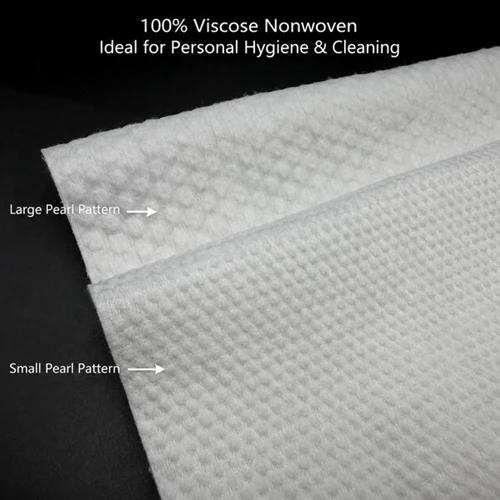
Alcohol cotton balls: Alcohol evaporates in 30-60 seconds, leaving little time to kill microbes. Cotton balls also shed fibers, which can get trapped in wounds and cause irritation. Wipes use non-woven fabrics that hold moisture longer (extending disinfection time) and minimize fiber loss.
Iodine swabs: Iodine works but stains skin/fabric, hiding signs of infection (e.g., redness). It also irritates mucous membranes (eyes, mouth)-where wipes with milder ingredients (like benzalkonium chloride) are safer.
Hydrogen peroxide: Peroxide kills bacteria and healthy skin cells, slowing healing. It's not recommended for routine care, whereas antiseptic wipes target pathogens without harming healthy tissue.
Antiseptic wipes combine portability (fit in small kits), precision (pre-measured ingredients), and versatility-making them indispensable for outdoor/travel kits where water/sterile supplies are scarce.
Choosing the Right Antiseptic Wipes: What to Look For
Not all wipes are equal. To ensure protection, focus on these scientific criteria:
Active ingredient match: Choose based on wound type. Benzalkonium chloride (0.1%) is versatile for general use; miconazole-infused wipes work for fungal risks (e.g., sports injuries); chlorhexidine offers long residual protection.
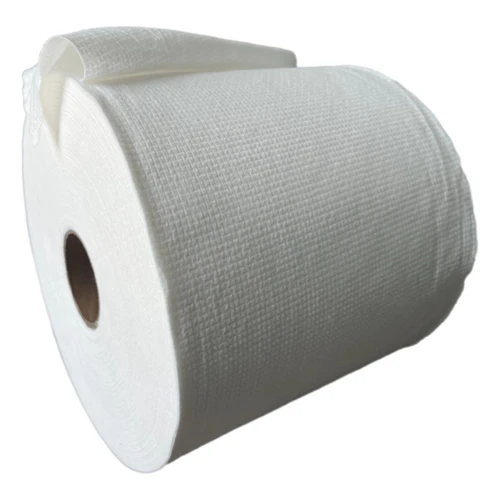
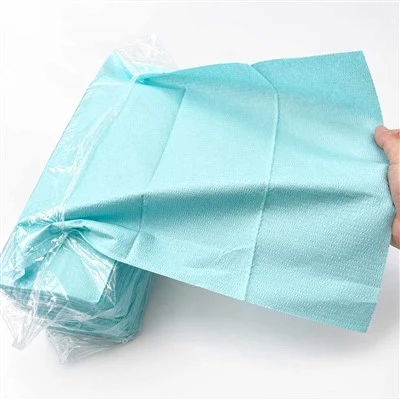
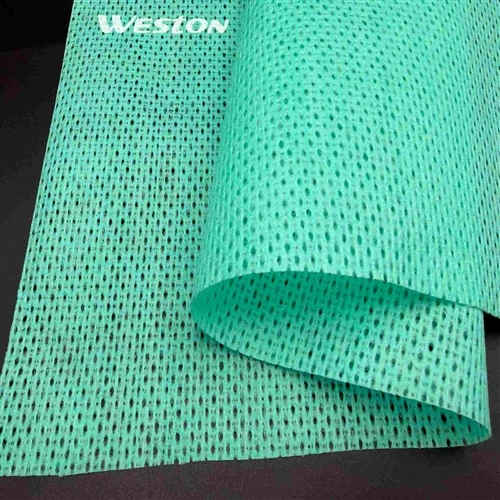
Substrate quality: Low-quality wipes shed fibers, introducing foreign bodies into wounds. High-quality options use Medical Grade Spunlace Tape-a non-woven fabric with high absorbency, strength, and minimal fiber loss. This is why manufacturers like Weston Nonwoven prioritize spunlace substrates in medical products.
Moisture retention: Wipes that dry mid-use fail to deliver enough antiseptic. Look for secure-seal packaging (prevents evaporation) and wipes that stay moist for 60+ seconds.
Sterility: Opt for individually wrapped wipes or containers that maintain sterility after opening. Bulk packs without proper sealing become contaminated over time.
Weston Nonwoven, a leader in medical-grade textiles, designs Disinfecting Wipes meeting these standards. Their wipes use calibrated active ingredients and durable, low-linting substrates-aligned with the quality of their Pulp and Polyester Surgical Gowns, trusted in hospitals globally. This commitment to medical performance makes their wipes reliable for home, work, or outdoor first aid kits.
Integrating Antiseptic Wipes into Your First Aid Kit: Practical Tips
Maximize their value with these evidence-based steps:
Pair with saline: For debris-filled wounds (dirt, sand), flush with sterile saline first-saline prevents antiseptics from being neutralized by dirt.
Store properly: Keep wipes cool/dry. Extreme heat (car glove boxes) degrades ingredients; cold (winter backpacks) makes wipes brittle.
Size variety: Include full-size wipes (large scrapes) and mini-wipes (finger cuts) to avoid waste.
Check compatibility: Don't use alcohol-based wipes with petroleum ointments (e.g., Vaseline)-alcohol breaks down the ointment's protective barrier.
For those testing medical-grade antiseptic products, free samples of Weston's Disinfecting Wipes and Medical Grade Spunlace Tape can be requested via info@westonmanufacturing.com. This lets you verify performance before stocking your kit.
Antiseptic wipes aren't a "nice-to-have"-they're a science-backed tool to prevent infection and protect healing. By understanding their role, avoiding mistakes, and choosing quality products, you turn your first aid kit into a proactive defense. Next time you restock, remember: a small wipe today can prevent a big problem tomorrow.