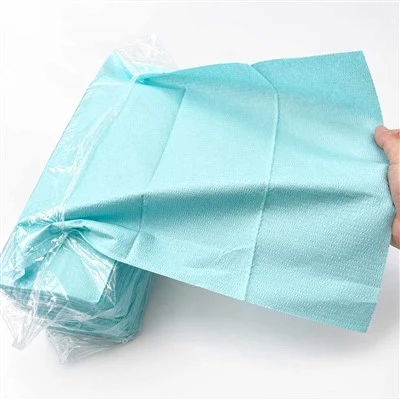
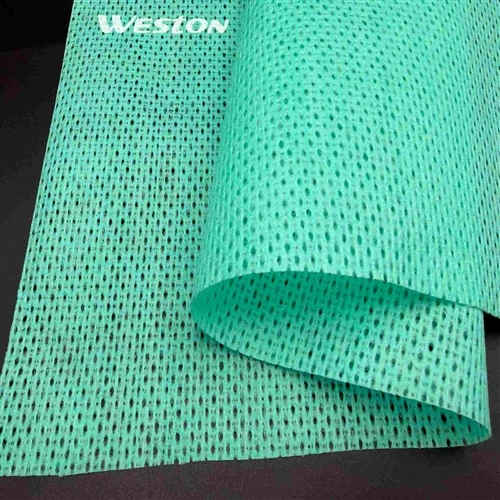
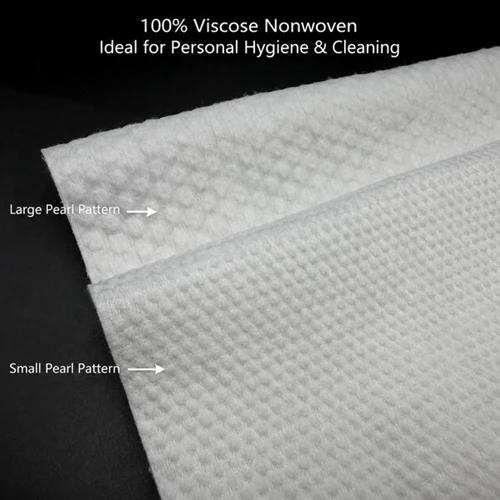
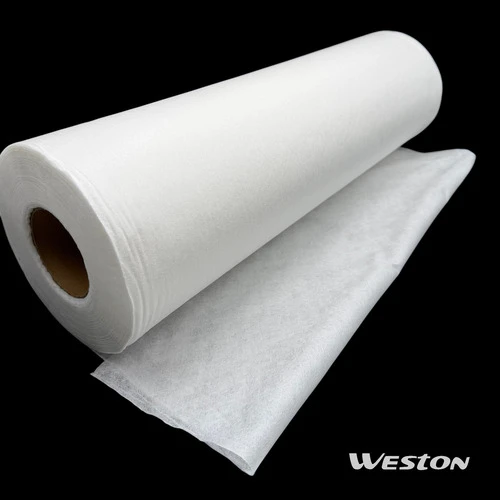
In the ever-evolving landscape of nonwoven materials, spunlace manufacturing stands as a testament to engineering precision, yielding fabrics that seamlessly blend versatility and reliability across medical, personal care, and industrial realms. At the core of this craft is a simple yet profound truth: quality control is the silent architect of trust. For manufacturers like WestonNonwoven, dedicated to producing premium spunlace materials, mastering quality control is not just a practice-it's a foundational commitment. This guide explores the detailed methodologies, testing protocols, and industry-aligned standards that underpin superior spunlace nonwovens, with a focus on applications such as Pulp and Polyester Surgical Gowns, Streak-Free Cleaning Cloths, and Spunlace Sheet Mask Fabric For Skincare-hallmarks of WestonNonwoven's pursuit of excellence as a leading spunlace fabric manufacturer.
The Essence of Spunlace Nonwovens: A Foundation of Functionality
Spunlace fabrics derive their unique properties from a hydroentanglement process that weaves natural wood pulp and synthetic polyester fibers into a unified structure using high-pressure water jets. This creates materials that are strong, breathable, and absorbent-qualities that make them indispensable in demanding applications:
Pulp and Polyester Surgical Gowns require a delicate balance of protective barriers, breathability, and softness to support healthcare workers through long shifts.
Streak-Free Cleaning Cloths depend on uniform texture and superior liquid management to deliver spotless results in sensitive environments like electronics manufacturing.
Spunlace Sheet Mask Fabric For Skincare must be gentle on skin, highly absorbent, and structurally stable to enhance the efficacy of skincare formulations.
Each use case imposes distinct requirements, transforming quality control into a nuanced discipline that demands precision at every production stage.
Raw Material Integrity: The First Pillar of Quality
Quality control begins with the careful selection and evaluation of raw materials. WestonNonwoven subjects every batch of wood pulp and polyester fibers to rigorous checks, ensuring they meet strict criteria for purity and performance.
1. Fiber Composition Analysis
Wood Pulp Evaluation: Key metrics include cellulose content (vital for strength and absorbency), ash levels (controlled to minimize impurities), and freedom from harsh chemicals-especially critical for Spunlace Sheet Mask Fabric For Skincare, where skin safety is paramount.

Polyester Fiber Assessment: Properties like denier (fiber thickness), tensile strength (to ensure structural resilience), and melting point (to withstand processing conditions) are meticulously tested. In Pulp and Polyester Surgical Gowns, the pulp-polyester ratio is fine-tuned to balance softness with the durability needed for medical applications.
2. Contamination Screening
Every fiber batch undergoes thorough checks for foreign materials using advanced sorting systems. This step is non-negotiable for healthcare-focused fabrics, where even trace contaminants could compromise end-use safety.
Process Control: The Symphony of Spunlace Production
The spunlace manufacturing process is a series of interconnected stages, each requiring precise control to achieve the desired fabric characteristics.
Web Formation Consistency

Laser scanning systems monitor web weight in real-time to ensure uniform fiber distribution, a critical factor in preventing weak spots. For Streak-Free Cleaning Cloths, consistent web density directly impacts absorbency and streak resistance.
2. Hydroentanglement Pressure Management
Water jet pressure is calibrated based on the fabric's intended use: higher pressures for industrial-grade durability, lower pressures for the softness required in skincare applications. Continuous sensor monitoring ensures pressure consistency across the fabric width, minimizing variability.
3. Drying and Surface Finishing
Drying temperatures are carefully controlled to protect heat-sensitive pulp fibers, while calendering processes use heated rollers to achieve the desired surface texture-matte for surgical gowns to reduce glare, or slightly glossy for cleaning cloths to enhance streak resistance.
Performance Testing: Validating Against Real-World Demands
Final product testing ensures that spunlace fabrics meet the functional expectations of their applications. WestonNonwoven employs a comprehensive suite of tests, designed to address both mechanical and sensory requirements.
1. Mechanical Properties
Tensile Strength: Tested in both machine and cross-machine directions to ensure resistance to tearing, a key factor in the reliability of Pulp and Polyester Surgical Gowns during movement.
Puncture Resistance: Evaluated to ensure medical fabrics can withstand impacts, an essential metric for barrier protection.
2. Liquid Handling Capabilities
Wicking Speed: For skincare masks, rapid and even serum absorption is tested using vertical wicking methods to ensure optimal product delivery.
Retention Capacity: Cleaning cloths are evaluated on their ability to hold liquids without dripping, a critical performance indicator for industrial and medical cleaning tasks.
3. Safety and Sensory Standards
Microbiological Safety: Testing for bacterial filtration efficiency ensures medical fabrics meet stringent hygiene norms, while skincare materials are checked for residual chemicals and pH balance to avoid skin irritation.
Lint and Streak Tests: Cleaning cloths undergo visual inspections to ensure they are lint-free and leave no residue, hallmarks of WestonNonwoven's Streak-Free Cleaning Cloths.
Aligning with Global Standards: A Commitment to Excellence
While compliance with international norms is a baseline, WestonNonwoven focuses on exceeding expectations through rigorous internal standards:
Medical Applications: Fabrics for Pulp and Polyester Surgical Gowns are engineered to provide robust barrier protection and breathability, meeting the demanding requirements of healthcare environments.
Consumer Products: Skincare fabrics prioritize skin compatibility and functional consistency, while cleaning cloths are designed for optimal performance in critical cleaning scenarios.
Sustainability: Efforts to reduce environmental impact, such as water recycling and energy-efficient processes, reflect a commitment to modern, eco-conscious manufacturing.
Application-Specific Excellence: Tailoring for Unique Needs
1. Pulp and Polyester Surgical Gowns
Seam strength and barrier integrity are rigorously tested to ensure protection without compromising comfort, balancing the need for durability and breathability during extended use.
2. Streak-Free Cleaning Cloths
Surface smoothness and abrasion resistance are key focus areas, ensuring the cloths deliver consistent, streak-free results even in high-frequency cleaning applications.
3. Spunlace Sheet Mask Fabric For Skincare
Thickness uniformity and elastic recovery are carefully controlled to ensure a comfortable fit and consistent serum absorption, enhancing the user experience in personal care.

Best Practices from a Seasoned Manufacturer
WestonNonwoven's approach to quality control is rooted in decades of experience and a culture of continuous improvement:
Real-Time Monitoring: Advanced sensors and data analysis help identify and address process variations promptly, minimizing waste and ensuring consistency.
Cross-Functional Collaboration: Regular communication between R&D, production, and quality teams fosters a unified approach to problem-solving and innovation.
Customer-Centric Design: Feedback from clients in healthcare, skincare, and industrial sectors informs ongoing refinements, ensuring fabrics meet real-world needs effectively.
Innovating for the Future of Quality
As industry demands evolve, WestonNonwoven remains at the forefront of innovation, exploring technologies that enhance both performance and sustainability:
Advanced material coatings to improve barrier properties for medical applications.
AI-driven inspection systems to elevate quality control precision for cleaning cloths.
Sustainable fiber solutions that align with global environmental goals without compromising on performance.
These efforts reflect a belief that quality control is an ongoing journey-one driven by the desire to deliver fabrics that inspire confidence in every use.
Quality as a Core Value
Choosing spunlace fabrics from WestonNonwoven means choosing reliability. Every step-from raw material selection to final testing-is guided by a commitment to ensuring that Pulp and Polyester Surgical Gowns protect, Streak-Free Cleaning Cloths deliver, and Spunlace Sheet Mask Fabric For Skincare nurtures, all while upholding the highest standards of consistency and functionality.
In the world of spunlace manufacturing, quality is not just a metric; it's the promise that each fabric will perform as intended, every single time. It's a promise built on meticulous processes, rigorous testing, and a relentless focus on meeting the needs of those who rely on these materials-whether in a hospital, a cleanroom, or a personal care routine.
WestonNonwoven's dedication to quality control is more than a practice; it's the foundation upon which their reputation as a trusted spunlace fabric manufacturer is built-one fiber, one test, and one application at a time.