Production Process and Fiber Composition
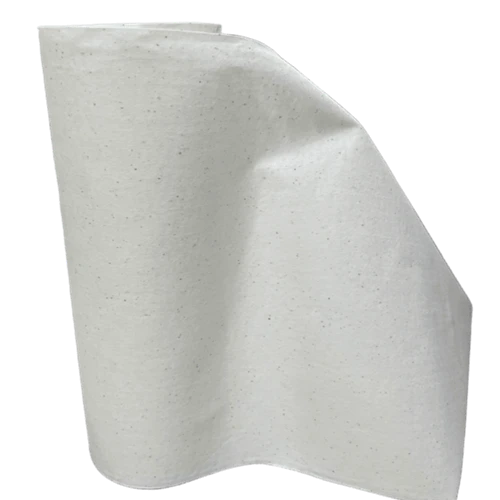
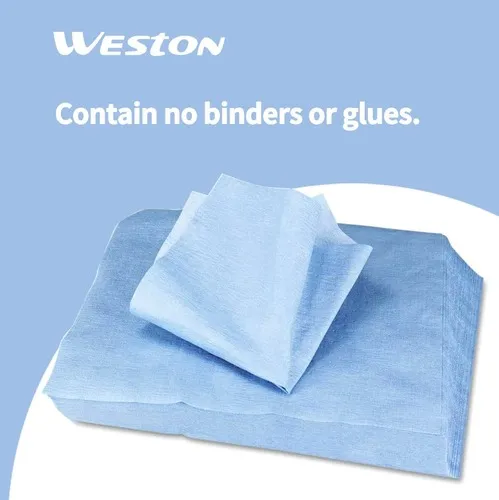
The production of spunlace fabric involves the hydroentanglement process, which is free from chemical adhesives and binders. Here's a brief overview of how this process contributes to the biodegradability of the fabric:
Hydroentanglement Process
The hydroentanglement process involves carding and laying down fibers into a loose web structure. High-pressure water jets then strike the web, causing the fibers to entangle and bond, creating a strong and durable fabric.

Natural Fibers
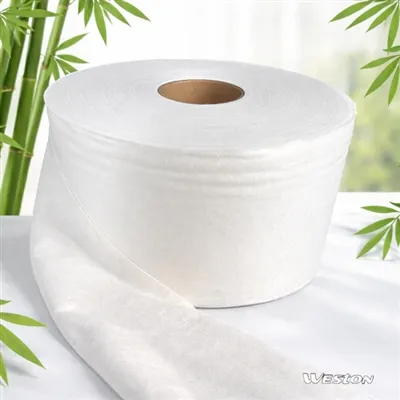
Biodegradable spunlace fabrics are typically made from natural fibers such as cotton, bamboo, or cellulose. These fibers are derived from renewable sources and are inherently biodegradable. For instance, Papel Aralar uses cellulosic fibers from sustainably harvested wood, ensuring intensive reforestation efforts.
Mechanisms of Biodegradation
The biodegradation of spunlace fabric is a complex process that involves several mechanisms:
Microbial Degradation
Natural fibers in spunlace fabric are susceptible to microbial degradation. Microorganisms such as bacteria and fungi break down the cellulose and other natural polymers into simpler compounds like carbon dioxide, water, and biomass. This process occurs naturally in soil and compost environments.
Enzymatic Degradation
Enzymes produced by microorganisms play a crucial role in the biodegradation process. These enzymes, such as cellulases and hemicellulases, break down the complex molecular structures of the natural fibers into smaller, more manageable components that can be further degraded by microorganisms.
Hydrolysis
Hydrolysis is another key mechanism in the biodegradation of natural fibers. Water molecules react with the polymer chains, breaking them down into simpler sugars and other organic compounds. This process is accelerated in moist environments, such as compost piles or soil.
Environmental Benefits
The biodegradability of spunlace fabric offers several environmental benefits:
Reduced Waste
Biodegradable spunlace fabrics decompose naturally, reducing the amount of non-biodegradable waste in landfills. This minimizes the environmental impact associated with traditional textile waste.
Sustainable Resource Use

The use of natural fibers from renewable sources ensures that the production of spunlace fabric is sustainable. For example, wood pulp used in cellulosic fibers is harvested commercially and sustainably, with intensive reforestation efforts.
Compliance with Regulations
The adoption of biodegradable spunlace fabrics aligns with regulatory requirements such as the European Union's Single Use Plastics Directive. This directive mandates significant reductions in single-use plastics and encourages the use of bio-based material.
Applications and Future Prospects
Biodegradable and dispersible spunlace fabric has a wide range of applications, particularly in industries where sustainability is a priority:
Personal Care Products
Biodegradable microfiber wipes are ideal for personal care products such as baby wipes, facial wipes, and makeup remover pads. These products are not only gentle on the skin but also reduce plastic waste and environmental impact.
Medical Textiles
In the medical field, biodegradable spunlace fabrics are used in surgical gowns, drapes, and wound dressings. These fabrics provide a barrier against bodily fluids while ensuring patient comfort and safety.
Industrial and Agricultural Uses

The durability and strength of spunlace fabric make it suitable for various industrial and agricultural applications, such as filtration media, automotive interior trims, and crop protection covers.
Conclusion
The mechanisms of biodegradation in spunlace fabric materials are rooted in their natural fiber composition and the hydroentanglement production process. These fabrics offer a sustainable alternative to traditional textiles, reducing waste, promoting sustainable resource use, and complying with environmental regulations.
As the demand for eco-friendly products continues to grow, the future of biodegradable and dispersible spunlace fabric looks promising. Manufacturers are investing in new production lines and technologies to meet this demand, ensuring that these innovative materials play a significant role in shaping a more sustainable future.
In summary, biodegradable spunlace fabric is a reliable, sustainable, and environmentally friendly choice that sets a new standard in the textile industry. By understanding and leveraging the mechanisms of biodegradation, we can contribute to a greener, more sustainable world.