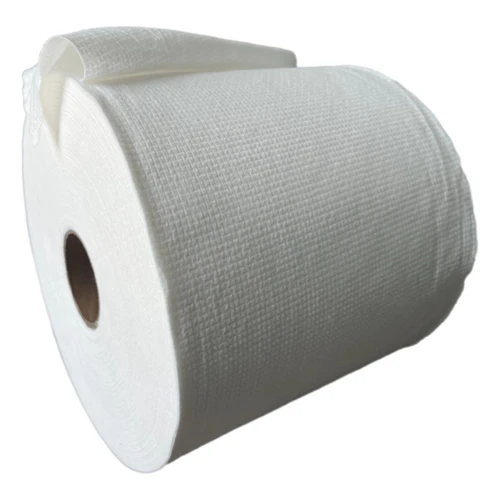
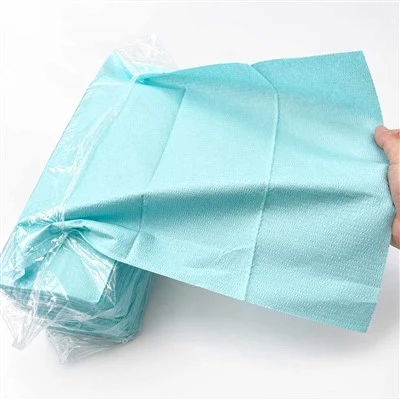
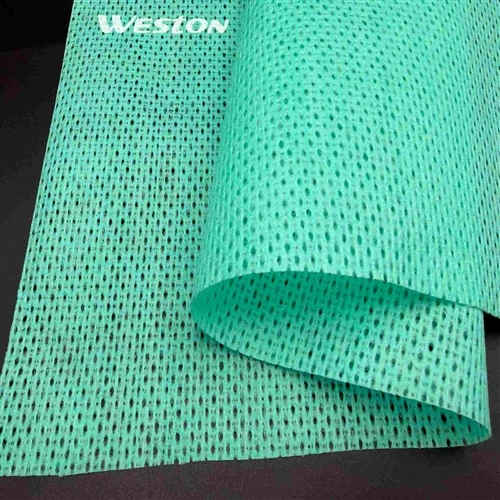
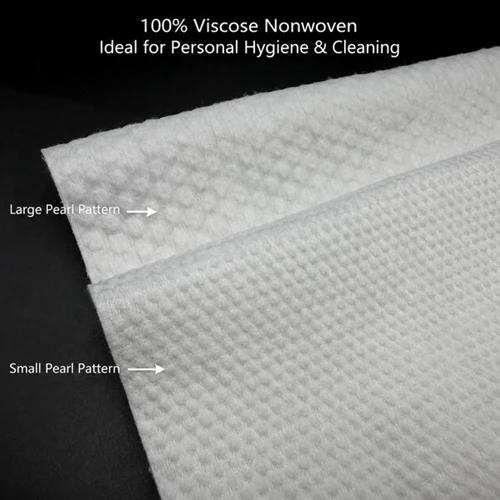
Spunlace fabrics are generally known for their low linting properties, especially when compared to some other types of nonwoven fabrics. The spunlace process involves entangling fibers using high-pressure water jets, which creates a fabric structure where the fibers are well-bonded and less likely to shed lint. The entanglement process helps to secure the fibers in place, reducing the chances of loose fibers breaking away and forming lint.
While spunlace fabrics are considered low linting, it's essential to note that the degree of linting can still vary based on factors such as the specific fibers used, the manufacturing process, and any additional treatments or finishes applied to the fabric. Here are a few considerations:
Fiber Type: The choice of fibers can impact the linting behavior. Spunlace fabrics made from synthetic fibers like polyester or a blend of synthetic and natural fibers tend to produce less lint compared to fabrics made solely from natural fibers.
Fabric Construction: The entanglement process in spunlace fabrics helps create a cohesive structure, minimizing the potential for loose fibers. However, the specific construction details and the density of the fabric can influence linting.
Finishes and Treatments: Some spunlace fabrics may undergo additional finishing processes or treatments that could affect their linting properties. Water repellent or antistatic treatments, for example, might alter the fabric's surface characteristics.
While spunlace fabrics are often chosen for applications where low linting is desirable, it's always recommended to check with the fabric manufacturer for specific information about linting characteristics. Manufacturers may provide linting specifications and guidelines for the proper handling and care of spunlace products to minimize linting during use.