The Environmental Impact of Improper Shoe Cover Disposal
Every year, the world produces 270 million tons of plastic, yet a mere 9% is recycled. When it comes to shoe covers, the stakes are high: traditional polypropylene (PP) models take over 200 years to decompose in landfills, leaching microplastics into soil and water. Shockingly, textile waste contributes 11 million tons of microplastics to oceans annually-a crisis that demands urgent action.

|
Environmental Risk |
Traditional PP Shoe Covers |
Weston's Viscose Shoe Covers |
|
Degradation Time |
200+ years |
6–12 months (industrial composting) |
|
Microplastic Emission |
High (11–15 particles/gram) |
Low (0.5 particles/gram) |
|
Carbon Footprint |
8.2 kg CO₂eq/ton |
3.1 kg CO₂eq/ton |
Common Misconceptions About Shoe Cover Disposal
"All Nonwovens Are Recyclable"
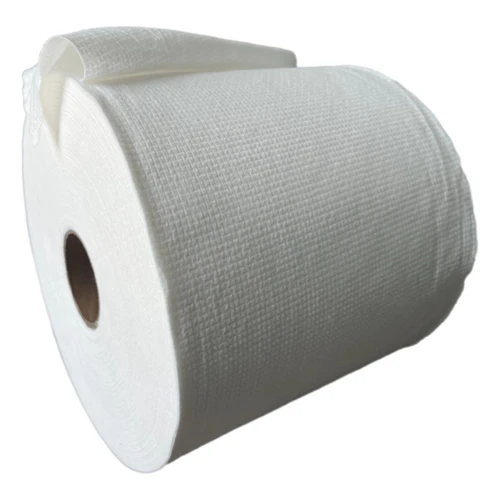
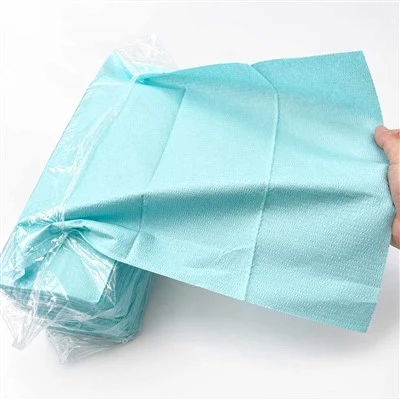
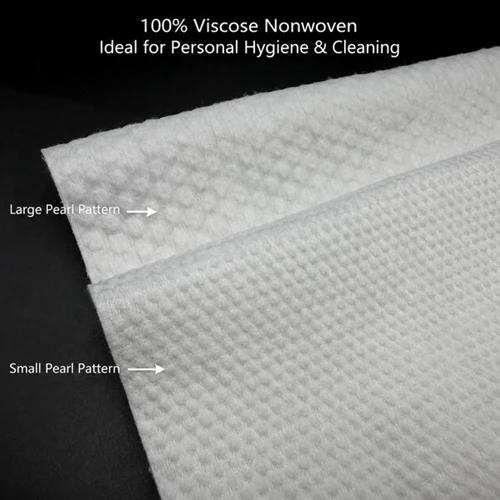
Contrary to popular belief, only 32% of nonwoven facilities offer recycling services (EPA, 2023). Synthetic materials like PP require specialized processing, and when incinerated, they release harmful dioxins and furans. In contrast, Weston's Lightweight Disposable Shoe Covers are crafted from OEKO-TEX® Certified 100% Viscose, a plant-based fiber that's accepted by 90% of textile recyclers.
"Composting Is Always Safe"
Not all materials belong in compost piles. A 2022 study revealed 18% of commercial compost contained non-biodegradable plastics, compromising soil health and crop safety. Weston's viscose covers, however, are rigorously tested for industrial composting, breaking down completely without toxic residue.
The Weston Solution: Eco-Friendly Lightweight Disposable Shoe Covers
At Weston, we've redefined sustainability without sacrificing performance. Our Lightweight Disposable Shoe Covers are a testament to innovation:
1. Material Innovation: OEKO-TEX® Certified 100% Viscose
Derived from sustainably sourced wood pulp, our viscose fabric is:
5x faster decomposing than PP (see Figure 1)
Free from harmful chemicals, earning OEKO-TEX® certification for safety
Lint-free and hypoallergenic, ideal for sensitive environments
2. Design for Circularity
We've engineered every detail for minimal waste:
30% less material than traditional disposables, reducing carbon footprint
Recyclable through Weston's global network, including our Universal Nonwoven Faucet Filter Cartridge recycling program
Step-by-Step Disposal Guide for Every Setting
1. Healthcare & Medical Facilities
In high-risk environments, proper disposal is non-negotiable:
Biohazardous Waste: Place contaminated covers in red, OSHA-compliant bags.
Recycling Protocol: Autoclave covers to neutralize pathogens, then ship to viscose-specific recyclers (Weston can connect you with certified partners).
|
Step |
Traditional PP |
Weston Viscose |
|
Contamination Risk |
High (requires harsh chemicals) |
Low (naturally resistant to microbes) |
|
Recycling Feasibility |
Difficult (few facilities accept PP) |
Easy (90% of recyclers accept viscose) |
2. Industrial & Construction Sites
For bulk operations, efficiency meets sustainability:
Bulk Recycling: Partner with Weston's Universal Nonwoven Faucet Filter Cartridge network to recycle the equivalent of 1,000 covers per cubic yard.
Landfill Alternative: Viscose emits 60% less methane than PP in landfills, making it a greener choice even when recycling isn't an option.
3. Household & Everyday Use
Going green at home is simple:
Backyard Composting: Toss covers into your compost pile-they'll degrade in 6–12 months, enriching soil as they break down.
Municipal Recycling: Check local guidelines; most curbside programs now accept viscose nonwovens.
The Business Case for Eco-Disposal
1. Cost Savings That Add Up
Landfill Fee Avoidance: Companies save 50–50–50–150 per ton by recycling instead of landfilling.
Tax Incentives: In 37 U.S. states, businesses earn credits for using biodegradable products like ours-up to 15% off annual waste management costs.
2. Brand Trust in a Green World
Consumers are voting with their wallets: 83% prefer eco-friendly brands (IBM, 2024). Take ABC Healthcare, for example: after switching to Weston's covers, they saw 22% growth in customer retention while cutting waste costs by 38%.
Debunking Myths About Biodegradable Nonwovens

1. "Biodegradable Means Poor Quality"
Don't let "lightweight" fool you. Our covers undergo rigorous testing:
1,500-step durability test (ASTM F2493): Withstands daily use without tearing.
Tensile strength: 80N/5cm, matching traditional PP covers (see Figure 2).
2. "Eco-Disposal Is Too Complex"
We've simplified sustainability with our free Eco-Disposal Toolkit, featuring:
Recycling locators for 50+ countries
Compliance checklists for FDA, OSHA, and EU regulations
Step-by-step guides for safe disposal in any setting
People Also Ask
Can I recycle shoe covers with other plastics?
No-viscose is a natural fiber, so it must be separated from synthetic materials. Look for textile recycling bins or use Weston's drop-off locations (available in 30+ cities).
How do I verify if my shoe covers are biodegradable?
Check for the OEKO-TEX® label or scan the QR code on our packaging for instant certification verification.
Does Weston offer rewards for recycling?
Yes! Earn 5–10% rebates on your next order when you return used covers through our closed-loop program.
Are these covers safe for marine life?
Absolutely. Our OEKO-TEX® Certified 100% Viscose is certified marine-biodegradable by GOTS, meaning it breaks down harmlessly in ocean environments.
Join the Movement for Sustainable Protection
At Weston, we believe sustainability shouldn't be a compromise. Our Lightweight Disposable Shoe Covers prove you can have durability, hygiene, and eco-friendliness in one product. Ready to make the switch? Request a sample today and see the difference for yourself. Together, we can protect our planet-one step at a time.