A Complete Guide for Optimal Performance
Microfiber cloths have revolutionized cleaning, offering unmatched absorbency, streak-free results, and reusable durability. Whether you're using Microfiber Car Cloths to polish your vehicle's finish, Microfiber Dusting Mitts to capture allergens, or Reusable Microfiber Cloths for daily household tasks, proper cleaning is essential to maintain their effectiveness and longevity. In this guide, we'll break down the step-by-step process to clean these versatile tools, ensuring they continue to deliver professional-grade performance while saving you time and money.
Why Proper Cleaning Matters for Microfiber Cloths
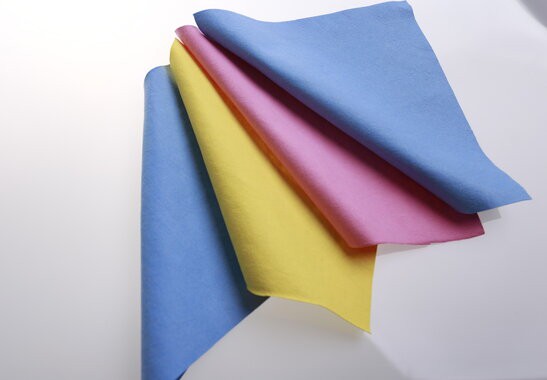
Before diving into the how-to, let's understand why cleaning microfiber correctly is non-negotiable:
Maintain Performance: Dirty microfibers trap dirt, oils, and residues, reducing their ability to absorb liquids or attract dust.
Prolong Lifespan: Harsh cleaning methods can damage the delicate fiber structure, leading to fraying, odor, or reduced effectiveness.
Prevent Cross-Contamination: Cleaning cloths used for different tasks (e.g., kitchen vs. car) separately avoids spreading germs or chemicals.
A well-cleaned Microfiber Car Cloth will leave your vehicle's paintwork gleaming, while a fresh Dusting Mitt ensures no allergens are left behind. Let's get started.
2. Pre-Cleaning Preparation: Remove Debris and Sort by Use
The first step to effective cleaning is proper preparation:
2.1 Shake or Brush Off Loose Debris
Before washing, always:
Shake vigorously: Outdoor dirt, dust, or pet hair on Reusable Microfiber Cloths can be loosened with a few sharp shakes.
Use a soft brush: For Microfiber Dusting Mitts with deep pile, gently brush the surface to dislodge embedded particles (a clean toothbrush works great for tight corners).
2.2 Sort by Material and Usage
Microfibers come in different blends for specific tasks:
Car Cloths: Typically made of ultra-fine 70/30 polyester/polyamide blends for streak-free drying.
Dusting Mitts: Often feature thicker, fluffier fibers to trap dust and allergens.
General Cleaning Cloths: Medium-weight fibers for multi-surface use in kitchens, bathrooms, or floors.
Separate them into piles to avoid cross-contamination (e.g., never wash a kitchen cloth with a car cloth) and prevent abrasion between different fiber types.

3. Step-by-Step Washing Guide for Microfiber Cloths
3.1 Machine Washing: The Preferred Method for Most Cloths
For Reusable Microfiber Cloths and Car Cloths, machine washing is efficient and gentle when done right:
Use Cold or Lukewarm Water: Hot water (over 140°F/60°C) can melt the microfiber's synthetic fibers, causing them to mat together. Stick to 86–104°F (30–40°C).
Choose a Mild Detergent: Opt for a pH-neutral, non-bleach detergent. Avoid:
Fabric softeners (they coat fibers, reducing absorbency)
Bleach or ammonia (damage fiber structure and cause discoloration)
Wash Alone or with Similar Fabrics: Microfibers attract lint from cotton or terry cloth, so wash them separately or with other microfiber items.
Gentle Cycle or Delicate Setting: Avoid high-speed agitation that can fray edges.
Pro Tip: Place small items like Dusting Mitts in a mesh laundry bag to prevent them from getting tangled in the machine's drum.
3.2 Hand Washing: Ideal for Delicate or Heavily Soiled Cloths
For stubborn stains (e.g., oil, grease on Car Cloths) or delicate mitts:
Fill a basin with lukewarm water and a teaspoon of mild detergent.
Submerge the cloth and gently agitate for 1–2 minutes, focusing on stained areas.
Rinse thoroughly until water runs clear-squeeze (don't wring!) to remove excess water.
3.3 How Often to Wash
Car Cloths: After each use to prevent dirt scratches; weekly for light use.
Dusting Mitts: Every 2–3 uses, or when they feel less "grippy" on surfaces.
General Cleaning Cloths: After each heavy use (e.g., bathroom cleaning) or every 3–4 uses for daily tasks.
4. Drying Microfibers: Avoid Heat at All Costs
Improper drying is a common mistake that ruins microfibers:
Air Dry Preferred: Lay cloths flat or hang them on a drying rack. This preserves fiber structure and prevents shrinkage.
Tumble Dry on Low (Only If Necessary): If you must use a dryer, set it to no-heat or low-heat (max 120°F/50°C) and remove promptly when dry. Over-drying can make fibers brittle.
Never Use Fabric Softener Sheets: These leave a residue that reduces the cloth's ability to attract dust and liquids.
Chart 1: Drying Methods and Their Impact on Microfiber
|
Drying Method |
Fiber Integrity |
Absorbency Retention |
Risk of Lint Buildup |
|
Air Dry |
Excellent |
95%+ |
Low |
|
Low-Heat Tumble Dry |
Good |
85% |
Medium |
|
High-Heat Tumble Dry |
Poor |
60% |
High |
Removing Tough Stains from Microfiber Cloths

Even with regular cleaning, some stains need extra attention:
5.1 Oil and Grease (Common on Car Cloths)
Pre-treat with a small amount of dish soap (free of moisturizers) directly on the stain.
Let it sit for 5–10 minutes, then wash as usual in warm water.
5.2 Mold or Mildew (Typical in Damp Cloths)
Soak in a solution of 1 cup white vinegar + 1 gallon lukewarm water for 30 minutes.
Wash twice with mild detergent to remove all traces of vinegar.
5.3 Dye Transfer or Ink
Gently rub the stain with a paste of baking soda and water.
Rinse and wash immediately to prevent the stain from setting.
6. Common Mistakes to Avoid When Cleaning Microfibers
To ensure your cloths last for years, steer clear of these pitfalls:
Using Harsh Chemicals: Bleach, ammonia, or citrus-based cleaners degrade microfiber over time, causing them to split or lose absorbency.
Washing with Velcro or Zippers: These can snag and pull microfibers, creating frayed edges. Always check pockets and fasteners before washing.
Overloading the Washing Machine: Crowded loads prevent proper rinsing, leaving detergent residue on cloths. Keep loads small and balanced.
Ignoring Odors: Lingering smells (like mildew or kitchen grease) mean the cloth wasn't rinsed thoroughly. Rewash with an extra rinse cycle.
7. Storing Clean Microfiber Cloths for Longevity
Once clean and dry, store them properly:
Fold Neatly: Avoid creasing or bunching, which can mat fibers.
In a Dry, Ventilated Space: Moisture encourages mold, so use a linen closet or drawer with a small sachet of baking soda to absorb odors.
Separate by Use: Keep Car Cloths in a dedicated bin, Dusting Mitts in a labeled drawer, and general cloths in a convenient basket for quick access.