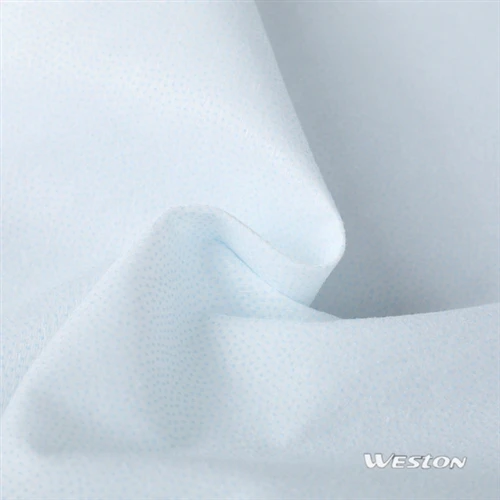
When it comes to nonwoven fabrics, spunlace materials have gained significant attention due to their versatility and performance characteristics. Among the various properties of spunlace fabrics, absorbency is one of the most critical factors influencing their application in industries such as medical, personal care, and cleaning. In this blog, we will delve into the absorbency and cost comparison of different spunlace materials, helping manufacturers and consumers make informed decisions.
Understanding Spunlace Materials
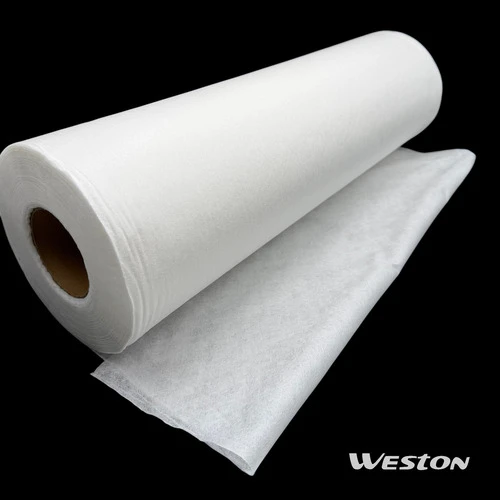
Spunlace fabrics are produced by entangling fibers through high-pressure water jets, resulting in a nonwoven fabric that is soft, durable, and highly absorbent. The absorbency of spunlace materials primarily depends on the type of fibers used, the structure of the fabric, and the manufacturing process.
Types of Fibers Used in Spunlace Fabrics
Viscose Fibers
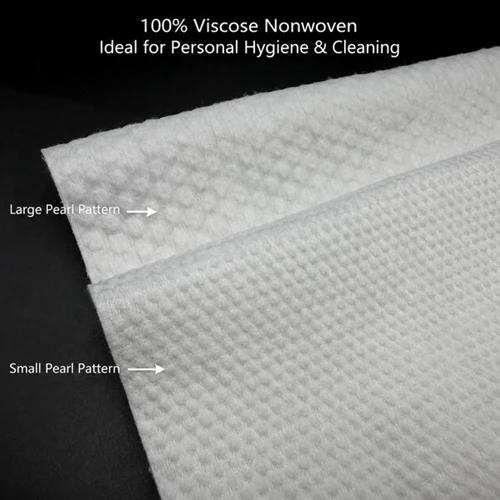
Absorbency: Viscose spunlace fibers, derived from regenerated cellulose, are known for their high absorbency. They can absorb several times their weight in water, making them ideal for applications where moisture retention is crucial, such as in wet wipes, feminine hygiene products, and medical dressings.

Cost: The production of viscose fibers is relatively more expensive compared to synthetic fibers due to the complex processing involved in converting cellulose into fiber form. This higher raw material cost can impact the overall pricing of spunlace products made from viscose.
Polyester Fibers
Absorbency: Polyester fibers offer moderate absorbency. While they do not absorb moisture as effectively as viscose, they can be engineered to improve their water-holding capacity through various treatments. Polyester spunlace fabrics are often used in applications where durability is more critical than absorbency.
Cost: Polyester is one of the most cost-effective fibers available. The lower raw material cost, combined with efficient manufacturing processes, contributes to a more affordable spunlace fabric option.
Polypropylene Fibers
Absorbency: Polypropylene fibers exhibit the lowest absorbency among common spunlace materials. They are hydrophobic, meaning they repel water. As a result, polypropylene spunlace is typically used in applications such as filtration and protective gear, where moisture management is not a primary concern.
Cost: The cost of polypropylene fibers is also the lowest, making them an economical choice for manufacturers looking to produce cost-effective spunlace products.

Factors Affecting Absorbency
Fabric Structure
The thickness and density of the spunlace fabric significantly influence its absorbency. Thicker materials can hold more moisture due to increased fiber surface area and volume. Manufacturers often tailor the fabric structure to meet specific absorbency requirements for different applications.
Production Techniques
The water jet entanglement process can be adjusted to create fabrics with varying absorbency levels. For instance, increased pressure and finer jets can produce a more entangled and denser fabric, enhancing absorbency. Conversely, a less dense fabric may be created for applications requiring lower absorbency.
Cost Considerations
Raw Material Costs
The choice of fiber directly impacts the cost of spunlace fabrics. Viscose, while offering superior absorbency, comes with a higher price tag. In contrast, polyester and polypropylene provide more economical options, especially for bulk production.
Manufacturing Process
The complexity of the manufacturing process also plays a role in the final cost. Spunlace fabrics require specific machinery and technology, and the costs associated with these processes vary depending on the type of fiber used and the desired fabric characteristics.
Value-Added Treatments
Many spunlace fabrics undergo additional treatments to enhance properties such as absorbency, softness, or antimicrobial characteristics. While these treatments can improve performance, they also contribute to the overall cost of the fabric.
Application-Specific Insights
For High-Absorbency Applications: Viscose spunlace is the preferred choice for products that require significant moisture retention. Its softness and absorbency make it ideal for personal care items like wipes and medical dressings.
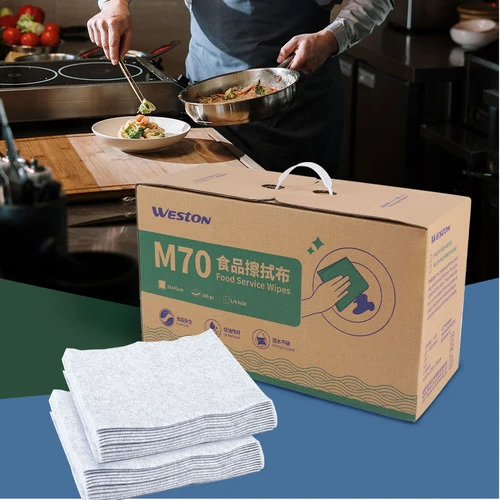
For Cost-Sensitive Products: Polyester spunlace offers a balance between absorbency and affordability, making it suitable for general cleaning products and industrial applications where durability is essential.
For Specialized Uses: Polypropylene spunlace is typically used in applications where moisture is not a primary concern, such as in filtration or protective clothing.