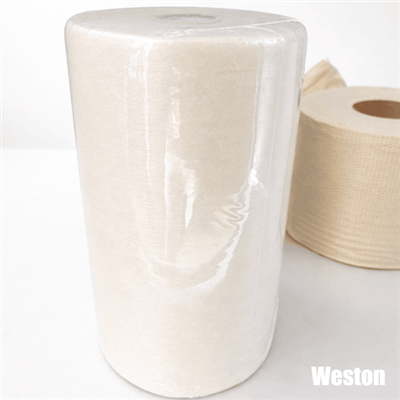
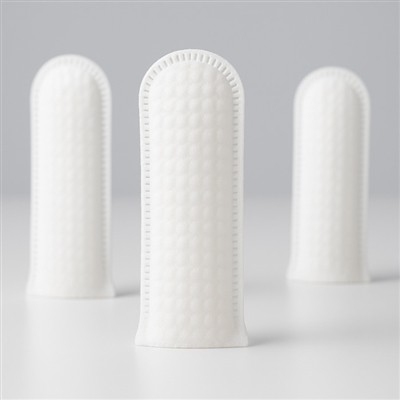
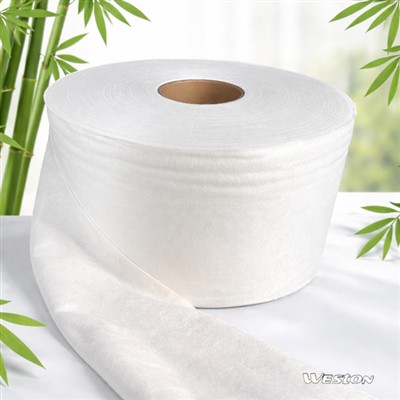
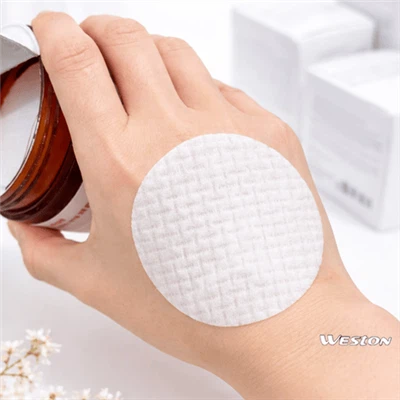
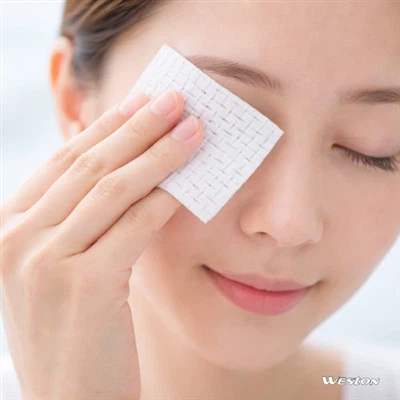
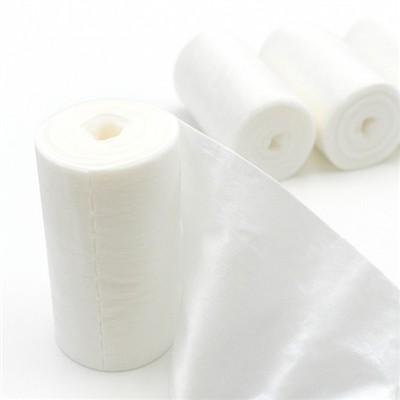
A 40g spunlace nonwoven fabric refers to a type of nonwoven material where the weight of the fabric is approximately 40 grams per square meter (gsm). This weight measurement indicates the density of the fabric, with higher gsm values representing denser and heavier fabrics.
Here are some characteristics and properties of a 40g spunlace nonwoven fabric:
Lightweight: With a weight of 40gsm, the fabric is considered lightweight, which makes it suitable for applications where a thinner and more flexible material is desired.
Softness: Spunlace nonwoven fabrics are known for their soft and cloth-like texture, providing comfort in various applications, including those involving direct contact with the skin.
Absorbency: The absorbency of the fabric can vary depending on the fiber composition and manufacturing process. Spunlace fabrics are often engineered to be highly absorbent, making them suitable for use in wipes, hygiene products, and medical textiles.
Strength: While lightweight, spunlace nonwoven fabrics can still offer sufficient strength and durability for many applications. The entanglement of fibers during the manufacturing process helps enhance the fabric's strength and tear resistance.
Breathability: Spunlace nonwoven fabrics typically have an open and porous structure, allowing air to pass through easily. This breathability makes them suitable for applications where ventilation and moisture management are important.
Flexibility: The lightweight nature of a 40g spunlace nonwoven fabric provides flexibility and drapability, allowing it to conform to various shapes and contours. This flexibility makes it suitable for use in applications requiring flexibility and ease of handling.
Versatility: Spunlace nonwoven fabrics are versatile materials used in a wide range of industries and applications, including hygiene products, medical textiles, wipes, filtration media, apparel, and automotive textiles.
Examples of specific applications for a 40g spunlace nonwoven fabric include:
Disposable wipes for personal hygiene, baby care, and household cleaning.
Facial masks and cosmetic pads for skincare and beauty applications.
Medical wipes and dressings for wound care and patient hygiene.
Automotive wipes and cleaning cloths for car interiors and exteriors.
Filtration media for air and liquid filtration applications.