Which Is Better, Hand Wipes or Hand Sanitizer?
For years, hand sanitizer has been treated as the default answer to clean hands. It sits on office desks, hangs from backpacks, and shows up everywhere from elevators to airports. Hand wipes, on the other hand, are often seen as optional-something extra, something less "serious."
But are these two really doing the same job? And more importantly, which one actually works better in daily life?
The honest answer is less dramatic and more practical than most people expect. Hand wipes and hand sanitizer are not competitors. They solve different problems, in different ways, and understanding that difference leads to better hygiene habits instead of blind routines.
How Hands Really Get Dirty
Hands do not just collect germs. They collect everything.
Oil from skin, sweat, food residue, dust from surfaces, chemical traces, and invisible particles all build up throughout the day. Many germs live inside this layer of grime. That matters, because killing germs is not the same as removing what they are hiding in.
This is where many people misunderstand hand hygiene. Clean hands are not just about what dies on the skin. They are about what leaves the skin.
What Hand Sanitizer Is Designed to Do
Hand sanitizer is built for one main task: disinfection.
Most formulas rely on alcohol to break down bacteria and certain viruses. When hands are already clean and dry, sanitizer works fast and efficiently. That is why it is widely used in healthcare settings and controlled environments.
But sanitizer has limits that are often ignored.
It does not remove grease, food residue, or visible dirt. It does not lift particles off the skin. If hands are oily or sticky, sanitizer spreads over the surface but leaves much of the contamination behind. In those situations, the alcohol may not reach germs effectively.
Sanitizer is powerful, but only under the right conditions.
What Hand Wipes Do Differently
Hand wipes work through a different logic. Instead of focusing only on killing microbes, they focus on physical removal.
The wiping action matters. It lifts dirt, absorbs oil, and carries residue away from the skin. Even wipes with mild formulas can remove a significant amount of contamination simply because friction and absorbency do the work.
This is why hand wipes often feel more satisfying to use. The skin feels clean, not just dry. There is a visible result, even if the contamination itself was invisible.
In real life-after eating, commuting, shopping, or handling shared objects-this kind of cleaning is often more relevant than pure disinfection.
Clean and Disinfected Are Not the Same Thing
The words are often used together, but they mean different things.
Clean means contaminants are removed from the surface. Disinfected means microorganisms are killed on the surface. One can happen without the other.
Hand sanitizer focuses on disinfection. Hand wipes focus on cleaning, and sometimes offer light disinfection as a secondary effect. Neither approach is wrong. They simply serve different purposes.
Ignoring this difference leads to poor habits, like using sanitizer on visibly dirty hands and assuming the job is done.
Daily Situations Tell a Clear Story
Think about how hands are used during a normal day.
After eating street food or snacks, hands are usually oily or sticky. A wipe removes that residue. Sanitizer does not.
After holding public railings or door handles, hands may look clean but carry microbes. Sanitizer can help here, especially when washing is not possible.
After working long hours, skin is often sweaty and uncomfortable. A wipe refreshes the skin. Repeated sanitizer use may make dryness worse.
Context decides effectiveness. There is no single product that fits every moment.
Skin Comfort Is Part of Hygiene
Clean hands should not come at the cost of damaged skin.
Frequent use of alcohol-based sanitizer can disrupt the skin barrier for some people. Dryness, tightness, and irritation are common complaints with repeated daily use.
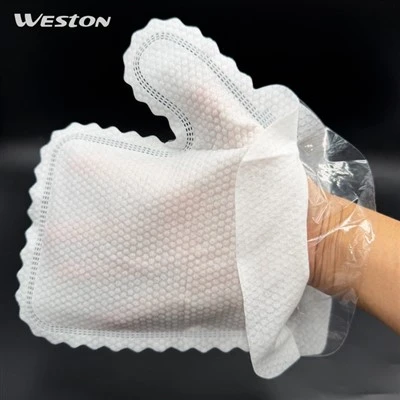
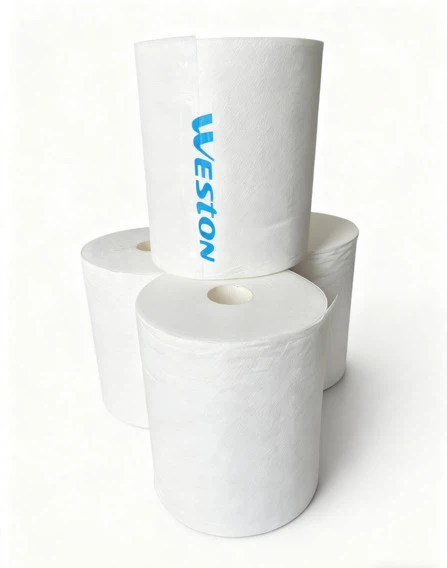
Well-designed wipes, especially those produced with controlled nonwoven structures like those from Weston nonwoven, can balance cleaning power with skin comfort. This is one reason why demand for Bulk Hand Sanitizer Wipes continues to grow in workplaces, logistics, and public facilities.
Comfort encourages consistency. People are more likely to clean their hands when the experience does not punish the skin.
Why Wipes Are Often Underestimated
Hand wipes are sometimes seen as less "professional" than sanitizer. This perception is outdated.
In many industrial, commercial, and service environments, hands encounter oils, dust, and mixed contaminants. In these cases, wiping is not a luxury. It is the more realistic solution.
This is also why Bulk Hand Sanitizer Wipes are increasingly used in settings where handwashing stations are limited but cleanliness still matters. The combination of physical cleaning and controlled formulation fits real workflows better than single-function products.

Choosing Smarter, Not Louder
Hygiene does not need dramatic claims or exaggerated promises. It needs clarity.
When hands are visibly dirty, wiping removes the problem. When hands are already clean but need microbial control, sanitizer plays its role. Many people benefit from having both available, rather than forcing one tool to do a job it was not designed for.
This balanced approach is quietly becoming the standard in professional environments that prioritize both cleanliness and skin health.
A More Grounded View of Clean Hands
The question is not which product sounds stronger or looks more "medical." The question is what actually works in daily use.
Understanding how contamination behaves, how skin responds, and how products function leads to better decisions. Hand hygiene becomes practical instead of performative.
That is the real difference between habits that look clean and hands that actually are.