What Makes the Best Industrial Cleaning Wipes for 2026: A Practical Guide
Industrial cleaning wipes are often treated as a minor consumable, yet in real-world operations they directly affect cleanliness, safety, compliance, and total operating cost. As manufacturing environments become more regulated and sustainability expectations rise, selecting the right Industrial Cleaning Wet Wipes in 2026 is no longer a simple purchasing decision-it is a technical one.
This guide breaks down the materials, performance metrics, and practical trade-offs behind modern industrial wipes, helping decision-makers understand what truly matters beyond marketing claims.

Understanding Materials: Where Performance Begins
Every wipe performs according to its fiber composition and structure. The material determines absorbency, lint generation, chemical resistance, and durability.
Microfiber remains the most precise option. Its ultra-fine synthetic fibers can remove microscopic particles and microorganisms, making it suitable for electronics, medical devices, and pharmaceutical environments. The trade-off is cost and over-specification for heavy industrial work.
Polyester (continuous filament) is widely regarded as the benchmark for low-lint performance. It resists aggressive solvents and maintains structural integrity even in cleanroom environments. However, without surface treatment, it absorbs liquid more slowly than cellulose-based alternatives.
Cellulose (wood pulp) excels at absorbency, holding several times its own weight in liquid. It is biodegradable and economical, but fiber shedding and reduced wet strength limit its use in controlled environments.
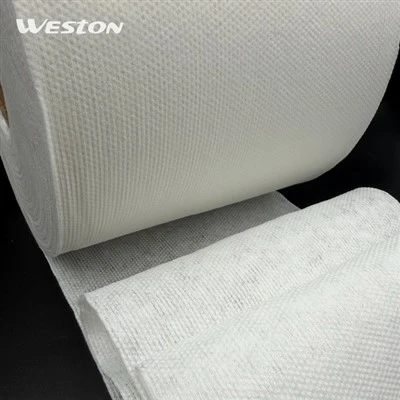
Polycellulose blends, often produced via hydroentangling, balance absorbency and strength without chemical binders. This category has become a popular foundation for general-purpose Industrial Cleaning Wet Wipes, especially where cost control and moderate cleanliness standards must coexist.
Cotton, while traditional, still plays a role in high-temperature and solvent-heavy applications. Its durability favors reusable systems rather than single-use scenarios.
Why Structure Matters as Much as Fiber
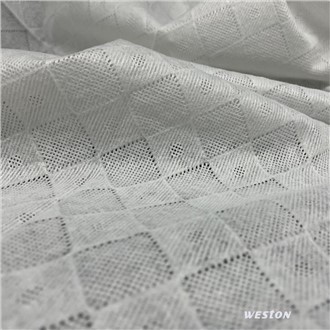
Beyond fiber type, fabric structure defines real-world behavior. Hydroentangled nonwovens rely on high-pressure water jets rather than binders, resulting in cleaner substrates with lower extractables. Double-knit polyester improves particle capture through increased surface area, while ultrasonic edge sealing prevents fraying and lint release.
These construction choices directly influence absorbency efficiency and particle shedding-two metrics that determine whether a wipe performs consistently or introduces hidden contamination.
Performance Metrics That Actually Matter
Absorbency is measured, not guessed. Under ISO 9073-6 testing, cellulose blends and cotton rank highest in liquid uptake, while microfiber and polyester offer controlled absorption with better structural stability. Higher absorbency often translates into fewer wipes used per task, reducing long-term cost.
Particle shedding remains the most overlooked risk. In cleanroom or electronics manufacturing, a single shedding wipe can compromise compliance. Low-lint polyester and hydroentangled blends are designed to meet strict ISO and IEST particle limits, making material selection critical rather than optional.
Chemical compatibility is equally non-negotiable. Polyester handles alcohols, oils, and many solvents reliably. Cellulose struggles with strong oxidizers, while blends offer moderate resistance across a broad pH range. Verifying compatibility data before bulk purchasing prevents premature failure and waste.
Wet tensile strength separates reliable wipes from disposable frustrations. Materials that lose integrity when saturated increase rework time and consumption, negating any apparent unit-cost savings.
Disposable vs. Reusable: Cost Beyond the Unit Price
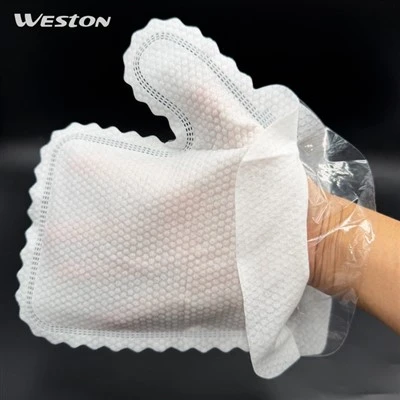
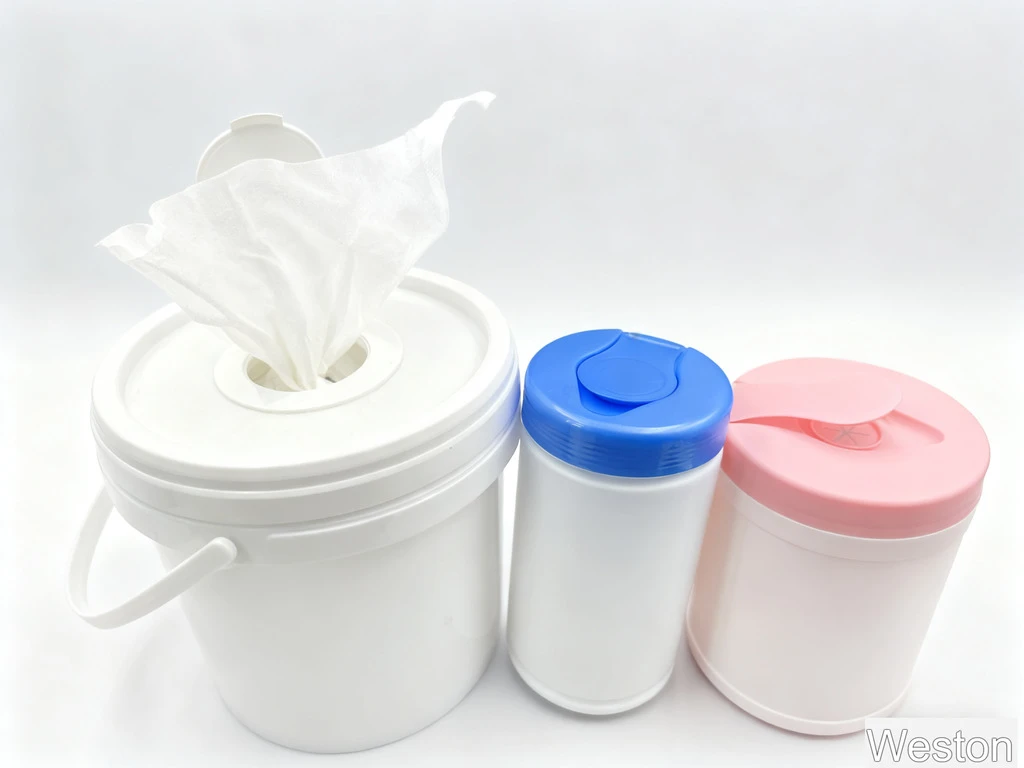
Disposable wipes deliver speed, hygiene, and operational simplicity. Pre-moistened Industrial Cleaning Wet Wipes reduce setup time and solvent handling, particularly in mobile or field operations. Their downside lies in recurring costs, waste generation, and supply dependency.
Reusable systems, especially cotton-based, dramatically reduce lifecycle energy use and solid waste. They become cost-effective after several wash cycles but require laundry infrastructure and disciplined inventory management.
Many facilities now adopt a hybrid strategy: disposable wipes for critical or contamination-sensitive tasks, and reusable cloths for routine maintenance. This approach balances compliance, sustainability, and cost control.
Standards and Compliance Are Not Optional
Cleanroom classifications under ISO 14644 define acceptable particle levels and indirectly dictate wipe selection. Electronics manufacturing introduces ESD requirements, while food and pharmaceutical sectors demand strict extractables and traceability documentation.
Suppliers capable of providing validated test data, lot traceability, and consistent quality control offer more than products-they reduce operational risk. This is where experienced manufacturers such as Weston Nonwoven differentiate themselves, particularly in hydroentangled nonwoven substrates designed for industrial and controlled environments.
Pre-Moistened or Dry: Choosing by Task, Not Habit
Pre-moistened wipes excel at grease removal, flux cleaning, and field work where speed matters. Their limitations include solvent evaporation and task specificity.
Dry wipes remain indispensable for particle removal, solvent flexibility, and ultra-clean environments. Stocking both formats allows teams to match the wipe to the task rather than forcing compromise.
Sustainability Is Reshaping the Market
Plastic-containing wipes face increasing regulatory pressure, particularly in Europe. True sustainability goes beyond marketing labels-it involves biodegradable fibers, binder-free manufacturing, low-toxicity solutions, and responsible packaging.
Hydroentangled wood-pulp blends, lyocell, and cotton-based materials are becoming central to next-generation Industrial Cleaning Wet Wipes, offering reduced environmental impact without sacrificing performance.
Making the Right Choice
The most effective wipe is not defined by price or branding. It is defined by fit: the right material, structure, compliance level, and lifecycle cost for a specific application.
By understanding materials, performance metrics, and regulatory requirements, procurement and operations teams can select wipes that reduce risk, improve efficiency, and support long-term sustainability goals. Manufacturers with deep nonwoven expertise-such as Weston Nonwoven-play a supporting role in this process, providing technically sound substrates rather than one-size-fits-all products.
In 2026, choosing cleaning wipes is no longer a commodity decision. It is an engineering judgment-one best made with data, not assumptions.