Is It Okay to Clean a Tattoo with Baby Wipes?
Getting a tattoo is exciting. Taking care of it afterward is less glamorous, but far more important. One of the most common questions people ask-especially when they're outside a studio or away from a sink-is simple: can baby wipes be used to clean a tattoo?
The short answer is not a clean yes or no. The longer answer depends on how skin heals, what baby wipes are actually made for, and how much risk you are willing to introduce during the healing phase.
Understanding this properly requires stepping away from convenience and looking at basic skin biology.

What a Fresh Tattoo Really Is
A new tattoo is not "decorated skin." It is injured skin.
During tattooing, needles repeatedly penetrate the epidermis and deposit pigment into the dermis. This process disrupts the skin barrier, causes inflammation, and leaves behind thousands of microscopic wounds. For the first several days, the tattoo behaves like an open abrasion.
That matters because skin that has lost its barrier behaves differently:
It absorbs substances more easily
It reacts more strongly to irritants
It is more vulnerable to microbes
Any product used on a fresh tattoo should be judged by how it interacts with damaged skin, not healthy skin.
What Baby Wipes Are Designed to Do
Baby wipes are engineered for a very specific purpose: cleaning intact, healthy infant skin during diaper changes.
Their design priorities are:
Gentle cleansing of surface contaminants
Maintaining moisture
Staying stable inside sealed packaging
They are not designed to disinfect wounds, support skin repair, or protect broken skin from irritation. This does not make them "bad," but it does define their limits.
Most baby wipes contain:
Water as the main component
Mild surfactants to lift dirt
Preservatives to prevent microbial growth
Optional fragrance or botanical extracts
Each of these elements behaves differently when applied to compromised skin.
Potential Benefits of Using Baby Wipes on a Tattoo
There are situations where baby wipes may appear helpful, which explains why the question keeps coming up.
Convenience
Baby wipes are portable, pre-moistened, and widely available. When access to clean water is limited, they feel like a practical solution.
Low mechanical friction
Compared to paper towels or rough fabrics, wipes are soft and reduce physical abrasion if used gently.
Immediate removal of surface residue
They can remove excess plasma, ink residue, or sweat from the tattoo surface in the short term.
These benefits, however, only apply under narrow conditions and should not be confused with being ideal for healing.
The Risks People Often Overlook
The downsides of baby wipes are less obvious but more important.
Chemical Sensitivity
Preservatives are essential to keep wipes safe inside sealed packs, but many preservatives can irritate broken skin. Even products labeled "gentle" may cause burning or redness on a fresh tattoo.
Fragrance and Plant Extracts
Fragrance-free is not universal. Botanical ingredients, while appealing in marketing, can trigger inflammation when the skin barrier is compromised.
Moisture Balance Issues
Tattoo healing requires a careful balance: not too dry, not overly wet. Repeated wiping can disturb scab formation and slow epithelial repair.
Lack of Sterility
Baby wipes are clean, but they are not sterile. That distinction matters when dealing with open skin.
When Baby Wipes Might Be Acceptable
There are limited scenarios where baby wipes may be used with caution:
Short-term situations when no water is available
Only wipes that are alcohol-free, fragrance-free, and designed with minimal additives
Very gentle, light contact without rubbing
Followed by proper cleaning as soon as possible
This should be viewed as a temporary compromise, not a standard care method.
When Baby Wipes Should Be Avoided
Baby wipes should not be used when:
The tattoo is fresh and actively oozing
The skin feels hot, painful, or intensely inflamed
Stinging or redness appears after use
The tattoo is in the peeling or scabbing phase
If the skin reacts, it is already giving feedback. Ignoring that feedback increases healing variability and long-term appearance issues.
What Professionals Generally Agree On
Tattoo artists and dermatology professionals tend to align on a few basic principles:
Use lukewarm water
Choose mild, fragrance-free cleansers
Clean with clean hands, not wipes
Minimize unnecessary contact
Healing outcomes are influenced more by consistency and restraint than by specialty products.
Why Specialized Tattoo Cleaning Materials Exist
As tattoo aftercare has evolved, materials have become more targeted. Cleaning materials designed for tattoo care focus on:
Controlled absorbency
Low-lint surfaces
Minimal chemical migration
Compatibility with damaged skin
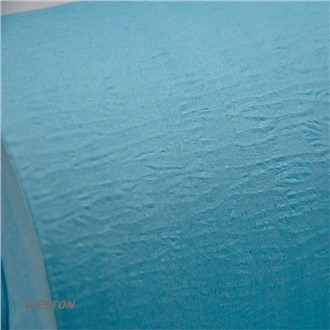
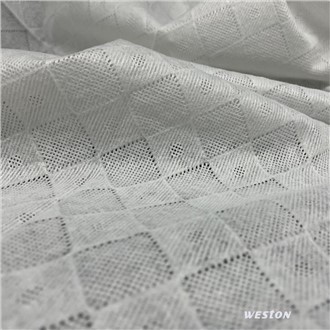
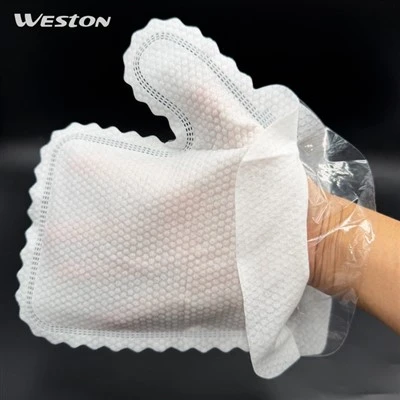
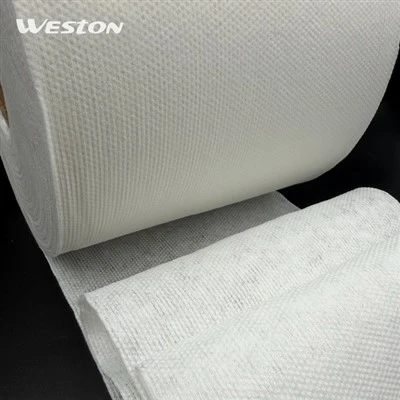
This is where Tattoo Cleaning Wipes Nonwoven Fabric becomes relevant-not as a consumer wipe, but as a material foundation. Nonwoven spunlace structures offer softness, strength, and uniform fiber distribution, which reduces irritation risk when engineered correctly.
Manufacturers such as Weston Nonwoven focus on material performance rather than end-user marketing, supplying substrates that can be adapted for tattoo-safe cleaning applications depending on formulation and usage requirements.

Convenience vs. Healing Biology
Baby wipes appeal because they make cleaning feel easier. Healing skin, however, does not prioritize convenience.
Tattoo aftercare is a short-term discipline with long-term consequences. Every unnecessary variable-fragrance, preservatives, friction-adds uncertainty to how the skin repairs itself.
If a product is not designed with broken skin in mind, it should not become part of a daily routine for tattoo care.
A Practical Rule That Holds Up
A simple way to evaluate any cleaning method is this:
If you would hesitate to use it on a fresh scrape or stitched wound, it does not belong on a new tattoo.
Baby wipes may have a place in emergency moments, but they are not a substitute for proper tattoo cleaning practices or purpose-designed materials built on Tattoo Cleaning Wipes Nonwoven Fabric.
Healing well is rarely about doing more. Most of the time, it is about doing less-correctly.