Which Baby Wipes Have the Least Environmental Impact?
When people look for baby wipes with lower environmental impact, the question is often simplified too much. There is no single "green" label that solves everything. The real answer depends on materials, processing, formulation, and what happens after use. Understanding these factors helps separate practical solutions from surface-level claims.
What Defines Environmental Impact in Baby Wipes?
A baby wipe is a composite product. Its impact comes from several stages:
Raw materials (plant-based or synthetic)
Manufacturing process (water, energy, chemicals)
Usage (single-use convenience)
Disposal (biodegradability and waste accumulation)
A low-impact wipe is not perfect. It is simply better balanced across these stages.

Fiber Composition: The Starting Point
The material used in the wipe is the most critical factor.
Plant-Based Fibers
Viscose, cotton, bamboo, Lyocell
Derived from renewable sources
Typically softer and more breathable
These fibers can break down faster under the right conditions, making them a more practical choice for reducing long-term waste.
Synthetic Fibers
Polyester, polypropylene
Derived from fossil fuels
Do not biodegrade
These materials persist in landfills and can fragment into microplastics. Even when blended with plant fibers, their presence reduces overall environmental performance.
Fact Block: Fiber Impact Comparison
Plant-based wipes → lower long-term residue
Synthetic wipes → long-term persistence
Blended wipes → compromise, not a full solution
Biodegradability: A Term That Needs Clarity
Many wipes are labeled "biodegradable," but the conditions matter.
Biodegradable: breaks down over time, often requiring heat, moisture, and microbes
Compostable: requires controlled industrial composting in most cases
In real household waste systems, even biodegradable wipes may degrade slowly. This is why material choice still matters more than labeling.
Manufacturing: Hidden but Important
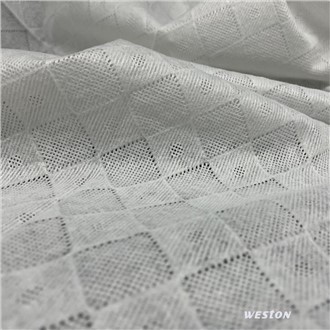
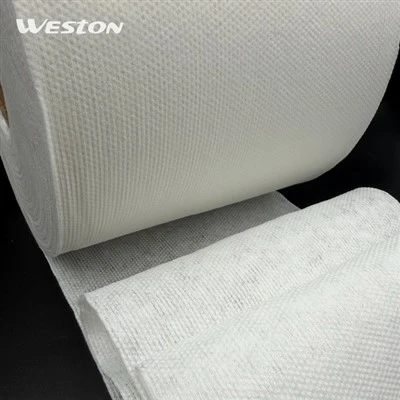
The spunlace (hydroentanglement) process is widely used for baby wipes. It uses high-pressure water jets to bond fibers without glue.
Key Environmental Factors
Water consumption
Energy efficiency
Chemical control
Factories with closed-loop water systems and strict process control can significantly reduce environmental load.
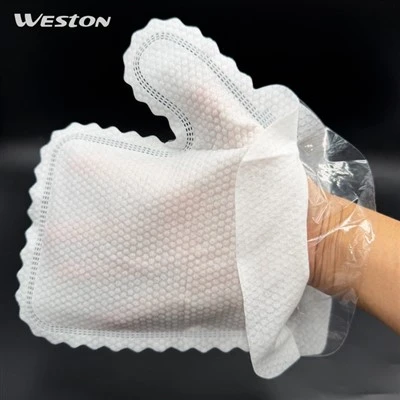
This is where experienced manufacturers play a role. For example, Weston Nonwoven focuses on controlled production systems for Private Label Baby Wipes, offering flexibility in fiber selection and fabric weight without compromising consistency.
Formulation: Keep It Simple
The liquid inside the wipe matters just as much as the fabric.
Low-Impact Formulation Features
High water content
Minimal preservatives
No unnecessary fragrance
Simpler formulas reduce chemical discharge into wastewater systems and are also gentler for babies, especially in sensitive conditions like diaper rash.
Packaging: Often Overlooked
Even when the wipe itself improves, packaging can remain a problem.
Multi-layer plastic packs are hard to recycle
Refill systems are still not widely adopted
Lightweight, reduced packaging helps lower overall footprint
Fact Block: Where Most Waste Comes From
Wipe material → long-term waste
Packaging → immediate plastic waste
Both need improvement for real impact

Material Innovation: A Closer Look at Bamboo
Bamboo-based nonwoven fabric is often presented as a sustainable option, but quality depends heavily on raw material selection.
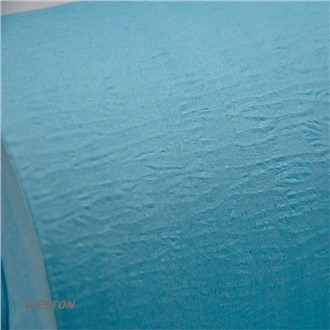
At the manufacturing level, stricter standards can make a measurable difference. In the case of Weston Nonwoven, bamboo spunlace fabric is produced using mature bamboo rather than early-stage raw material. The bamboo is sourced from Sichuan, China, including Ci bamboo, Dragon bamboo, and Yellow bamboo.
Fiber content: 46%–52%
Higher fiber yield → stronger, more stable fabric
More efficient conversion into nonwoven material
This approach improves both material performance and resource efficiency.
Available Material Options in Modern Baby Wipes
A flexible supply chain allows better environmental choices depending on product goals.
Common spunlace nonwoven materials include:
100% cotton
Bamboo fiber
PLA (polylactic acid)
Lyocell
Other plant-based fibers
A manufacturer capable of adjusting fiber blends and fabric weights can tailor wipes for different use cases, from ultra-soft newborn care to stronger cleaning applications. This is a key advantage in Private Label Baby Wipes development.
Practical Use Case: Sensitive Skin and Redness
Environmental considerations often align with skin safety. For babies with diaper rash, wipes must be both gentle and clean in composition.
Products like Baby Wipes For Red Butt are typically designed with:
- Softer spunlace structure
- Reduced chemical load
- Higher water purity
While the primary goal is skin comfort, these same features also reduce unnecessary additives, indirectly supporting a lower environmental burden.
Certifications: What Actually Matters
Reliable certifications help verify claims.
FSC → responsible sourcing of wood-based fibers
ISO9001 → quality management consistency
FDA → safety compliance for applicable products
SGS Food Contact (for natural bamboo fiber) → material safety validation
These do not make a product "eco-friendly" by default, but they establish a baseline of control and traceability.
What a Lower-Impact Baby Wipe Looks Like in Practice
A more environmentally responsible baby wipe usually combines:
- Plant-based spunlace nonwoven fabric
- Controlled, efficient manufacturing
- Simple, water-based formulation
- Reduced or optimized packaging
No single factor is enough on its own. The result comes from incremental improvements across the entire product lifecycle.
Notes From An Expert At Nonwoven Industry
The goal is not perfection. Disposable wipes will always carry some environmental cost. What matters is reducing unnecessary impact at each step-material choice, production discipline, and formulation simplicity.
Manufacturers that can control fiber sourcing, offer multiple material systems, and support Private Label Baby Wipes with precise specifications are better positioned to deliver practical, lower-impact solutions without overstating claims.