How to Use Wet Mopping Cloth?
Keeping floors clean in a pet household is not just about appearance. It is about removing invisible residues-hair, bacteria, and odor compounds-that build up daily. A wet mopping cloth, when used correctly, is a simple but highly effective tool. The key is not the product alone, but how you use it.
What a Wet Mopping Cloth Actually Does
A wet mopping cloth is designed to capture and remove, not just spread dirt. Unlike dry wipes or traditional mops, it works through a combination of:
Moisture → loosens dirt and sticky residues
Fiber structure → traps particles inside the cloth
Surface contact → ensures even cleaning across the floor

Key Fact Block: How It Works
Water breaks the bond between dirt and floor surfaces
Nonwoven fibers create micro-spaces that hold debris
Embossed textures increase friction and pickup efficiency
Proper absorption prevents re-depositing dirt
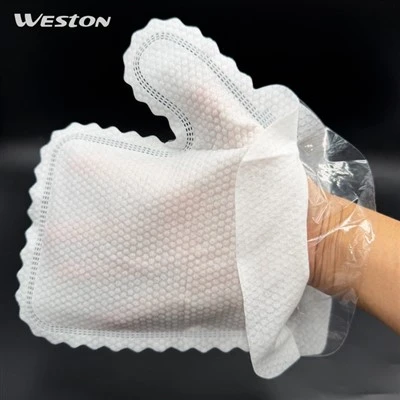
This is why modern Pre-moistened Mopping Cloths are widely used in both households and professional cleaning environments.
Start With the Step Most People Skip
Before using a wet cloth, remove loose debris.
Pet hair, dust, and crumbs should be cleared with:
A vacuum
A dry cloth
Or a soft broom
If you skip this step, the wet cloth will mix hair with moisture, forming clumps that are harder to remove.
Key Fact Block: Why Dry Removal Matters
Wet + hair = clumping and smearing
Loose debris reduces cloth efficiency by up to 50%
Pre-cleaning extends the usable life of each cloth
Control the Moisture, Control the Result
A wet mopping cloth should be damp, not soaked.
Too wet → leaves streaks and spreads contaminants
Too dry → reduces cleaning power
Key Fact Block: Ideal Moisture Level
Cloth should feel evenly damp
No dripping when pressed by hand
Surface should dry within 1–2 minutes after wiping
This balance is especially important in homes with pets, where moisture can carry odor residues if not properly controlled.
Use a Structured Cleaning Motion
Technique matters more than effort. Random wiping often spreads dirt instead of removing it.
Use an S-shaped motion, working in small sections:
Move in one direction
Avoid going back over dirty areas
Cover 1–2 square meters at a time
Key Fact Block: Efficient Movement Pattern
S-motion prevents re-contamination
Section cleaning improves consistency
Directional wiping reduces streaks
Change or Flip the Cloth Frequently
A common mistake is using one cloth for the entire space. Once saturated with dirt, the cloth becomes ineffective.
Key Fact Block: When to Replace
Visible dirt buildup on the surface
Reduced glide or increased friction
Noticeable streaking
For pet households, this step is critical. High-traffic areas can quickly overload a cloth.

Focus on Pet-Critical Zones
Not all areas of the floor carry the same level of contamination. Prioritize:
Feeding areas
Entryways (where pets bring in dirt)
Sleeping spots
Litter box surroundings
Key Fact Block: High-Risk Areas
Contain more bacteria and organic residue
Require more frequent cleaning
Benefit from targeted wiping rather than general mopping
Odor Is Not Dirt-Treat It Differently
One overlooked issue is odor. Water alone does not eliminate odor-causing compounds.
Urine residues, for example, require removal, not dilution
Repeated wiping with a clean section of cloth improves results
Key Fact Block: Odor Control Basics
Odor molecules bond to surfaces
Simple wiping reduces concentration but may not eliminate completely
Absorption + removal is more effective than spreading
Material Matters More Than It Seems
The performance of a wet mopping cloth depends heavily on its material.
High-quality nonwoven cloths:
- Absorb quickly
- Hold dirt securely
- Do not shed fibers
- Lower-quality options:
- Push dirt around
- Lose structure when wet
- Leave lint behind
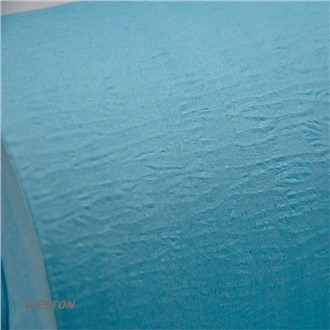
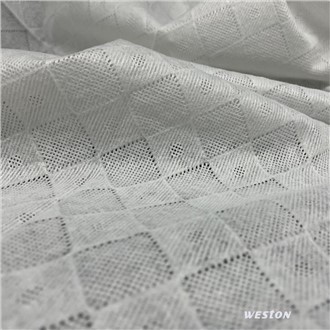
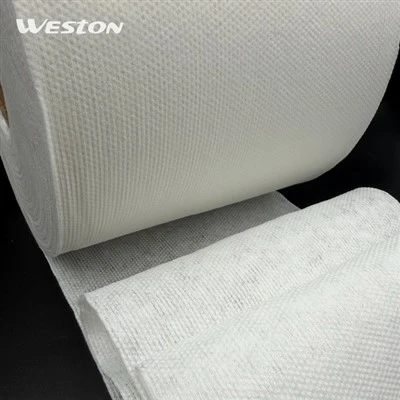
This is where industrial-grade manufacturing makes a difference. As a Professional Cleaning Wipes Exporter, Weston Nonwoven develops materials with controlled fiber distribution and consistent strength.
Westton's Pre-moistened Mopping Cloths are engineered to balance:Absorption,Durability,Surface safety.
And importantly, Weston offers flexibility-different materials, different weights, and customized specifications to meet both household and industrial cleaning needs.
Reusable vs Disposable: A Practical Balance
Both types have their place.
Reusable cloths:
Better for daily cleaning
More durable
Require proper washing
Disposable cloths:
Ideal for quick cleanups
Reduce cross-contamination risk
Convenient for high-dirt areas
A mixed approach is often the most efficient, especially in homes with pets.
How Often Should You Use Wet Mopping Cloths?
Cleaning frequency depends on your environment.
Key Fact Block: Suggested Frequency
Light pet activity → every 2–3 days
Heavy shedding → daily in key zones
After outdoor exposure → immediate cleaning
Consistency matters more than intensity. Regular light cleaning prevents buildup that requires heavy effort later.
A More Practical Way to Think About Floor Cleaning
Wet mopping is not the final step in cleaning-it is the core removal process.
Instead of thinking:
"Make the floor look clean"
Think:
Capture dirt
Isolate it
Remove it completely
This shift is especially important for pet owners. Clean floors are not just visible-they are measurably cleaner in terms of residue and hygiene.
Where Subtle Product Differences Show Real Impact
In daily use, small differences become obvious:
Better cloth → fewer passes needed
Stronger material → less tearing
Balanced moisture → faster drying
Manufacturers like Weston Nonwoven, known as a Professional Cleaning Wipes Exporter, focus on these details at scale-offering Pre-moistened Mopping Cloths with tailored performance across different use cases.
Their ability to provide different materials and different fabric weights allows buyers to match cleaning tools precisely to their environment, whether for household pets or industrial hygiene standards.
A wet mopping cloth is simple by design. But when used correctly-with the right method and material-it becomes one of the most reliable tools for maintaining a clean, safe living space in any pet home.