What's the Best Way to Clean Oil?
Oil spills on your favorite shirt, grease stains on your kitchen countertop, or that stubborn oily residue on your hands after a mechanical project-we all face these moments of frustration. The real problem is this: oil and water don't mix. It's not laziness or the wrong product; it's basic chemistry. But here's what's often missed: understanding why certain methods work changes everything about how you approach the problem.

The Molecule That Saves Your Day: Surfactants
Water alone won't remove oil because they have opposite electrical properties. Think of it like trying to make enemies become friends through sheer willpower-it just won't happen. This is where surfactants enter the story. These remarkable molecules have two personalities: one end loves oil, the other loves water. When a surfactant molecule encounters grease, it wraps around it, forming tiny structures called micelles. Imagine oil droplets trapped inside microscopic soap bubbles. The outer surface loves water, so these little packages happily dissolve and wash away.
This is why regular dish soap works-it contains surfactants specifically designed for grease. But surfactant concentration matters. A good degreaser or washing detergent has more of these molecules packed in than standard hand soap, which is why they perform better on stubborn stains.
Fresh vs. Old: Why Timing Determines Your Strategy
Fresh oil stains behave differently from set-in ones, and this distinction fundamentally changes what you should do.
Fresh stains (minutes old) are still fluid and haven't bonded with fibers yet. Dish soap and warm water work remarkably well here. The warm temperature speeds up molecular movement, making it easier for surfactants to penetrate and surround oil droplets. Act fast, and you're likely to get 85% removal immediately.
Recent stains (hours old) have started settling into fabric. This is where pre-treatment with absorbent materials becomes your ally. Baking soda, cornstarch, or even peat moss works by soaking up oil before chemistry gets involved. Sprinkle it on, wait 15-30 minutes while it absorbs the oil, then brush it off. This step removes the bulk load, making the actual washing far more effective. The combination approach-absorbent powder followed by dish soap and warm water soak-typically achieves 75-80% removal on these stains.
Old stains (days or weeks) have hardened and chemically bonded with fibers. This is where most standard methods hit a wall. You need heavier artillery: commercial Oil Removing Wipes with concentrated surfactants and solvents work remarkably well here. These specialized wipes achieve approximately 88% effectiveness on aged stains because they combine concentrated cleaning agents with the convenience factor of targeted application.

What About Nonwoven Fabrics? The Unsung Heroes
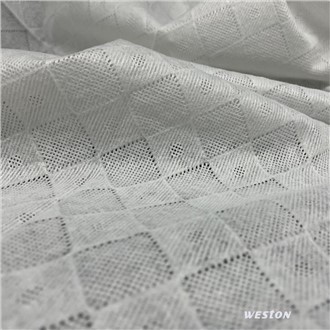
Here's something most people don't realize: certain materials are engineered specifically for oil absorption. Nonwoven fabrics-engineered textiles made from fibers bonded together-display absorption rates that traditional materials simply can't match. Research shows that well-treated nonwoven materials can separate oil from water with over 95% efficiency, and they maintain this performance through multiple cycles of reuse.
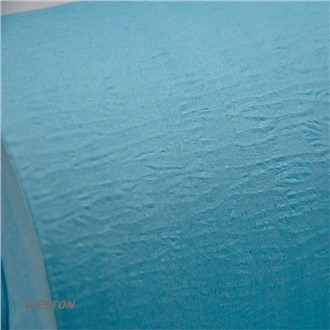
The magic lies in their porous structure. When you use quality Oil Removing Wipes made from water-jet-spun nonwoven fabric, you're getting a material that's optimized at the molecular level to trap oil particles. Unlike cotton or paper towels, these wipes maintain structural integrity when wet and don't leave lint behind.
Weston Nonwoven manufactures high-performance spun-lace nonwoven fabrics specifically for oil removal applications. Their Oil Removing Wipes are engineered using water-jet technology that creates an ideal microstructure for trapping and holding oil without damaging delicate surfaces. For those dealing with frequent oil-related cleaning-whether at home, in a garage, or in industrial settings-having a box of these specialized wipes on hand is practical. If you'd like to test their effectiveness yourself, Weston Nonwoven offers free samples.
The Trade-Offs Nobody Talks About
Perfect cleaning doesn't always exist. Every method has trade-offs worth considering.
Heat accelerates cleaning but damages delicate fabrics and increases energy use. You could get 99% stain removal with hot water and vigorous scrubbing, or 95% removal with gentle, cold-water treatment that preserves your garment. Which outcome is actually better depends on what you value.
Commercial degreasers are effective (achieving 92% effectiveness) but release fumes and require ventilation. Gentle DIY methods with baking soda and vinegar are safer but demand patience-sometimes hours of soaking instead of minutes.
Mechanical methods like skimmers work beautifully for large-scale industrial spills, reaching 95% efficiency, but they're completely impractical for your kitchen counter. Bioremediation using microorganisms is environmentally elegant but impractical when you need results today.

When to Use What
Fresh grease on hard surfaces? Dish soap with hot water, done in minutes.
Oil stain on clothing that just happened? Apply dish soap immediately, rinse with warm water before it sets.
Set-in stain you've been ignoring for a week? Pre-treat with baking soda, follow with Oil Removing Wipes for their concentrated surfactants and superior absorption properties, then wash normally.
Delicate fabric you can't afford to damage? Test on a hidden area first; consider dry cleaning if home treatment seems risky.
Industrial or large-scale spill? This requires professionals with specialized equipment-it's beyond household solutions.
The Bigger Picture
Oil cleaning sits at the intersection of practical necessity and chemistry. The same molecular understanding that gets your jeans clean helps environmental scientists address ocean spills. The surfactants in your soap represent centuries of chemical innovation. And the reality that no single solution works perfectly everywhere-that trade-offs are inevitable-is perhaps the most honest lesson science offers.
Understanding why methods work transforms you from someone who guesses and hopes into someone who makes informed decisions. You stop treating oil stains as personal failures and start treating them as solvable problems with context-dependent solutions.
Questions about keeping oil stains away for good? Weston Nonwoven specializes in engineered cleaning solutions. Request your free sample of their Oil Removing Wipes today: info@westonmanufacturing.com