Are Wet Wipes OK for Cats?
Why Cat Owners Reach for Wet Wipes
Cats are naturally clean, but life isn't always spotless. Muddy paws, food smudges, or a messy litter box moment can make even the tidiest feline look like trouble. That's when many owners reach for a pack of wet wipes. They're quick, easy, and smell nice - at least to humans.
But convenience can be misleading. Cats aren't tiny humans or small dogs. Their skin, grooming habits, and natural oils make them far more sensitive. So before you wipe, it's worth asking: are regular wet wipes actually safe for cats?

What's Inside a Typical Wet Wipe
Most household wet wipes contain ingredients like:
Mild surfactants (for cleaning oils and dirt)
Preservatives (to prevent bacteria growth in packaging)
Fragrance or essential oils (for a fresh scent)
Alcohol or similar drying agents
These are safe enough for human skin - but not for a cat that cleans itself by licking. What seems harmless on the surface can become risky once ingested. Cats' livers lack some enzymes humans use to process chemicals, which means even trace residues can build up over time.
"Fragrance-free" wipes can also be misleading; some still contain masking agents that irritate feline skin. What smells "gentle" to us might trigger itching, over-grooming, or skin dryness in cats.
When Wet Wipes Go Wrong
Regular wet wipes can cause more than mild irritation. Some of the most common issues include:
|
Potential Risk |
What Happens |
Why It Matters |
|
Skin Irritation |
Redness, flaking, scratching |
Cat skin is thinner and absorbs chemicals faster |
|
Licking & Ingestion |
Vomiting, drooling, diarrhea |
Wipes leave residues cats ingest while grooming |
|
Barrier Damage |
Dull, flaky coat |
Disrupts the skin's natural protective oils |
|
Fragrance Sensitivity |
Sneezing or head shaking |
Cats are extremely scent-sensitive |
As this chart shows, small actions - like a quick wipe - can have a bigger biological impact than they seem.
Safe Alternatives to Regular Wipes
The simplest and safest way to clean your cat is still the old-fashioned one: a soft damp cloth and lukewarm water. This removes most dirt without disrupting the skin's pH balance.
However, if you really need a ready-to-use option, pet-specific wipes exist for good reason. These are alcohol-free, fragrance-free, and pH-balanced for feline skin. Always check that the label clearly says "safe for cats."
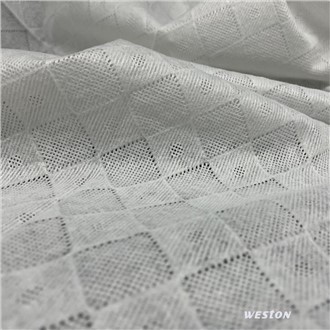
You can also prepare a gentle homemade cleaning cloth by soaking a microfiber or spunlace nonwoven fabric in warm water. Materials made from viscose or lyocell are soft, durable, and less likely to shed lint - ideal for delicate fur.
How to Pick Truly Cat-Safe Wipes
When you're standing in front of shelves full of "gentle" and "natural" labels, here's what to look for:
No alcohol, parabens, or phenols - these can dry or irritate skin.
Clearly labeled pH-balanced for pets - human wipes are too acidic.
Vet-approved or dermatologically tested - not just "eco-friendly" claims.
Plain, unscented formulas - fragrance-free means no perfume, not "lightly scented."
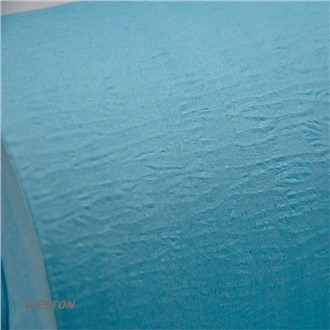
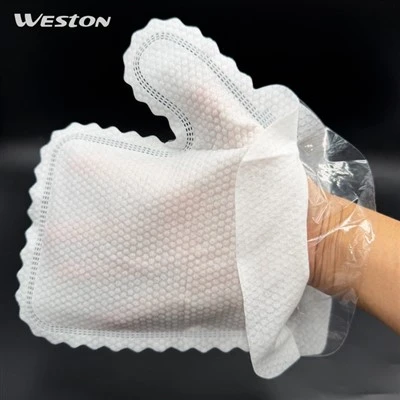
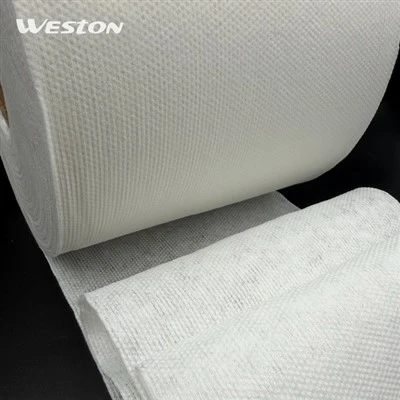
And don't forget to check the packaging. Barrel Packed Wet Wipes, for instance, keep moisture longer and are easier to store without contamination. High-quality spunlace nonwoven fabrics - like those made by Weston Nonwoven water-jet spunlace factory - ensure each wipe stays strong, lint-free, and gentle on sensitive fur. Weston's fabrics are widely used in pet care, medical, and hygiene applications because they're tested for safety and softness.
Understanding the Balance: Cleanliness vs. Comfort
Cats already do an incredible job of cleaning themselves. Over-cleaning can actually cause more harm than help. When you constantly wipe, you may strip away the natural oils that protect their coat and skin barrier.
A healthy routine focuses on the cat's environment - not just the cat's fur. Clean bedding, fresh litter, and good nutrition will reduce the need for frequent wiping. Reserve pet-safe wipes for rare occasions: after medical treatment, outdoor adventures, or messes that can't be safely licked off.
Think of it this way - you're not trying to make your cat "smell nice." You're helping them stay comfortable without interfering with their natural balance.

The Bigger Lesson for Pet Owners
Using wet wipes on cats isn't automatically wrong - it's about choosing wisely. Regular human wipes are best avoided. Pet-specific wipes or soft nonwoven cloths are fine in moderation.
Modern nonwoven fabric technology has made gentle cleaning tools far better than before. Barrel Packed Wet Wipes, made with spunlace nonwoven material, represent how thoughtful design can meet both safety and convenience. The key is moderation - and understanding what your cat truly needs.
A clean cat doesn't need to smell like lavender. It needs to feel healthy, relaxed, and unbothered. Sometimes, the most loving care is the quiet kind: knowing when to step back and let your cat's instincts do the work.
|
Safe for Cats |
Unsafe for Cats |
|
Purified water |
Alcohol (ethanol, isopropyl) |
|
Aloe vera (in small amounts) |
Phenols (found in disinfectants) |
|
Glycerin |
Fragrance & essential oils |
|
Hypoallergenic preservatives |
Parabens |
This helps readers visualize the difference in one glance and adds practical, educational value.
In short: keep things simple, gentle, and informed. Your cat doesn't need human-level hygiene - just human-level understanding.
For cat-safe cleaning materials and Barrel Packed Wet Wipes made with trusted Weston Nonwoven spunlace fabric, you can request a free sample via info@westonmanufacturing.com.